 Nephrology
 Urology
 Andrology
 Fertility (IVF)
 General Nephrology
 Paediatric Nephrology
 Dialysis
 Renal (Kidney) Biopsy
 CRRT
 Peritonial Dialysis
 Robotic Surgery
 Urinary Incontinence
 Uro-Oncology
 Laparoscopic Urology
 Reconstructive Urology
 Anaesthesiology
 Radiodiagnosis
 Nutrition and Dietetics
 Pediatric and Immunization
 Cardiology
 Intensive Care Unit




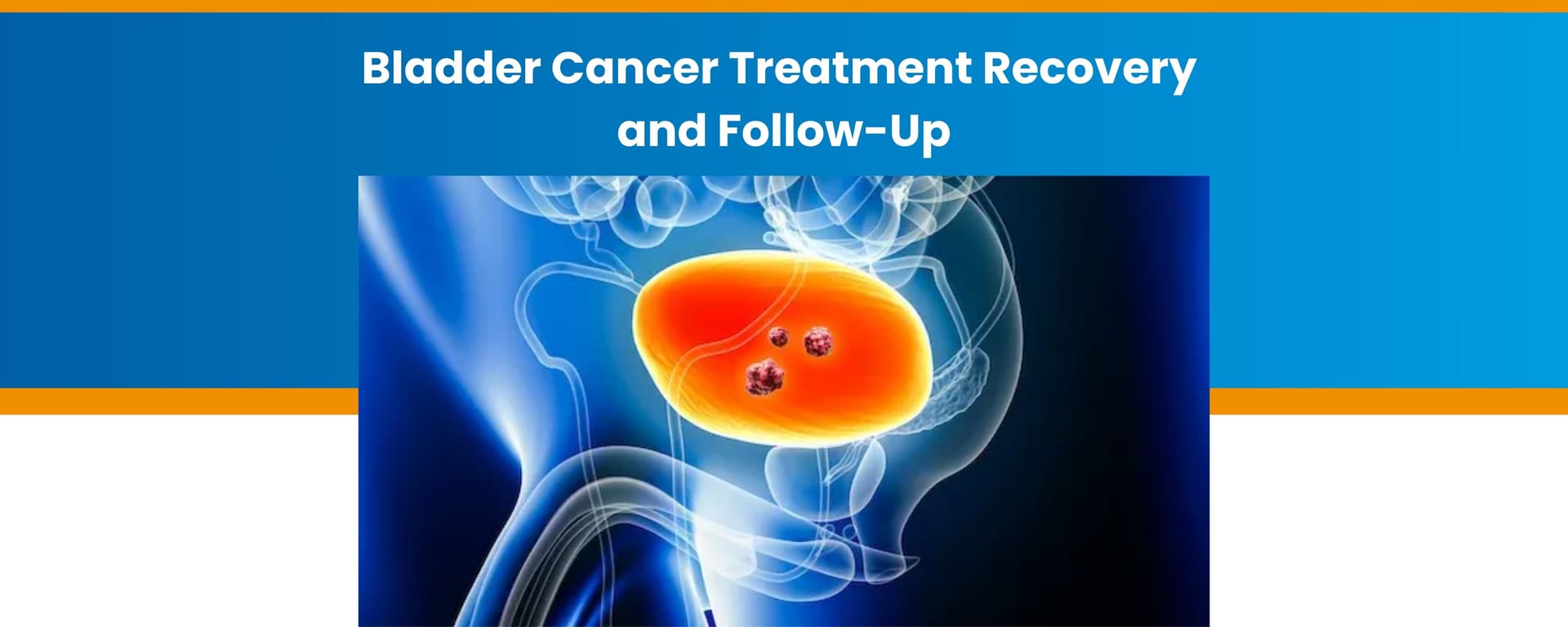
Recovery from bladder cancer is like a trek up a big mountain. It is not only about the destination but also the journey.
We understand how difficult and overwhelming this journey is, but be assured that NU Hospitals is with you throughout the journey.
Surviving bladder cancer is a victory; you won at life. This is a fresh start to rebuild your health, strength and confidence.
Are you wondering what my life will look like after the surgery? Do you have so many questions about recovery and when you can return home in your mind? And, are you looking for answers?
You have stumbled upon the right blog; read on as we explain in detail about:
What to expect after surgery?
How to manage side effects?
How to aid recovery?
What are the follow-up care tips to follow? And more…
What to Expect After Bladder Cancer Surgery?
You might feel uncertain about what comes next. Your body is healing, and there is more to do now.
Know what changes are ahead of you and what you can expect after bladder cancer surgery.
How Long Does Recovery Take?
The recovery period is different for each patient, and it depends on various factors. There is no need to worry, as it is expected.
Based on the type of surgery and therapy, you might see differences in the recovery period. Here is an overview of a typical recovery timeline after bladder cancer surgery:
Recovery phase |
Timeline |
What to expect |
Hospital Stay |
3-7 days (laparoscopic to open surgeries) |
You will be under observationA catheter is placed to support urination |
Initial rest at home |
1-2 weeks |
FatigueMild painRestricted movement |
Early recovery |
3-6 weeks |
Slow boost of energyWound healing |
Back to work |
2-6 weeks |
Based on the strength involved, you can return to work as advised |
Full recovery |
6-12 weeks |
Return in stamina, urinary and bowel habits, and better emotional confidence |
Long-term follow-up |
Every 3-6 months |
Will be advised for a few tests to check for recurrence, including:CystoscopyImaging testsBlood tests |
What Are Common Physical and Emotional Changes Post-Treatment?
There might be a few physical and emotional changes after surgery; there is no need to be embarrassed if you notice.
-
Urinary changes (with urgency, frequency and leakage or incontinence)
-
Bowel changes
-
Low appetite
-
Physical scars from surgical incisions (limited with minimally invasive laparoscopic and robotic surgeries)
-
Persistent fatigue
-
Mood swings
-
Anxiety
-
Fear
-
Depression
-
Body image issues
-
Recurrent UTIs
-
Urethral stricture
-
Low self-esteem
-
Loss of sexual functions
Healing is not just for your physical health; prioritise your emotional and mental well-being too.
How to Manage Side Effects and Support Healing?
Being patient while facing side effects and through all the emotional turmoils is the key. Here are a few tips to manage these side effects and support healing effectively.
How Can NU Hospitals Help with Urinary and Bowel Issues?
It is frustrating to adjust to the new urination schedule. Bowel and urinary changes are quite common. Here is what you can do that may help:
-
Practise pelvic floor exercises
-
Get physiotherapy
-
Bladder training (controlling the urgency, when to hold, how long to and when to urinate)
-
Have a fixed schedule
-
Eat a prescribed balanced diet to ease bowel movements
-
Follow up with our experts to check on your urinary system health (especially the kidney and bladder)
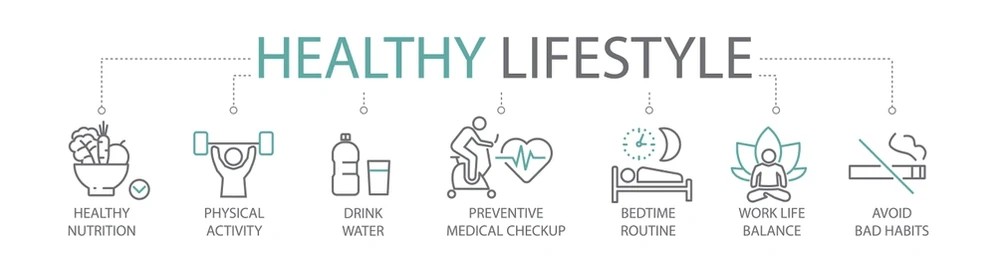
What Dietary and Lifestyle Changes Are Recommended?
What is on your plate is directly proportional to your healing journey. What you eat can aid or slow down recovery. Here are a few dietary and lifestyle changes we recommend.
Habit |
How it helps |
Eat fruits, vegetables, and whole grains |
Promotes healing and helps in reducing inflammation |
Eat a kidney-friendly diet |
Reduces the stress on the kidneys and bowel movements |
Drink an adequate amount of water |
Hydrates your body and helps your kidneys and bladder |
Avoid processed food and excess salt consumption |
Does not strain your body and kidneys |
Gentle walk and exercises |
Rejuvenates the body and mood |
Quit smoking and alcohol |
Help in reducing the recurrence rate |
When should I come for follow-up consultations?
Are you still confused? When should you visit the doctor? How often? What tests are to be done periodically?
Do you know that follow-up consultations are required even when you feel fine?
What tests will be done during follow-up?
Regular tests are done not to scare you but to reassure you which includes cystoscopy, urine tests, blood tests and CT scan.
What Rehabilitation Programs Are Offered?
Recovery requires continued structured rehabilitation. Rehabilitation programmes help you regain strength and confidence and take control of your health.
How Does NU Hospitals Provide Counselling and Emotional Support?
Cancer is not just for your body; it affects your emotional state and mental well-being. It can affect relationships and self-image.
It definitely helps to talk to someone who understands and empathises with your situation.
We offer:
-
One-on-one counselling
-
Family counselling
-
Support group help
-
Workshops for diet and lifestyle changes
-
Rehabilitation programs to help regain strength
Preventing Recurrence of Bladder Cancer and Staying Healthy
As everyone says and believes, prevention is the best form of protection. Here are a few habits you can adopt today to keep the cancer from coming back tomorrow.
What Are the Best Habits for Long-Term Recovery?
To reduce the risk of recurrence, here is what you can do in the long run:
-
Exercise regularly (at least 30 min a day)
-
Maintain a healthy weight
-
Eat a balanced diet
-
Take prescribed medications
-
Stay hydrated
-
Avoid canned drinks and processed foods
-
Avoid smoking and drinking alcohol








