 Nephrology
 Urology
 Andrology
 Fertility (IVF)
 General Nephrology
 Paediatric Nephrology
 Dialysis
 Renal (Kidney) Biopsy
 CRRT
 Peritonial Dialysis
 Robotic Surgery
 Urinary Incontinence
 Uro-Oncology
 Laparoscopic Urology
 Reconstructive Urology
 Anaesthesiology
 Radiodiagnosis
 Nutrition and Dietetics
 Pediatric and Immunization
 Cardiology
 Intensive Care Unit




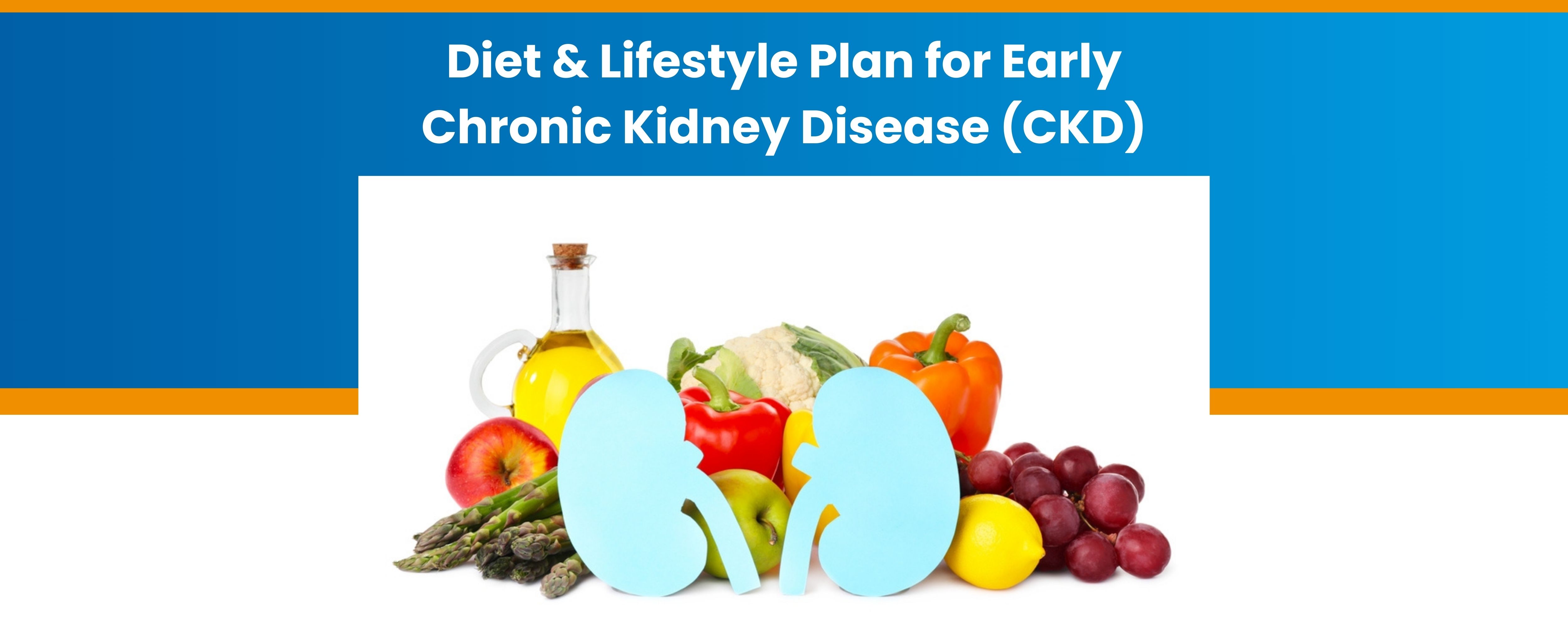
Early chronic kidney disease (CKD) refers to the initial stages of kidney damage in which the kidneys still function relatively well but show early signs of stress or reduced efficiency.
Early chronic kidney disease often advances without warning. However, these silent stages involve genuine and harmful structural organ damage. If left unmanaged, it can progress quickly into severe kidney disease with long-term complications. The good news is that with the right nutrition and lifestyle habits, kidney decline can be significantly slowed, and in some cases, stabilised.
Understanding Early CKD and Its Impact
Kidneys are essential for waste filtration, fluid balance, blood pressure control, and red blood cell production. Early Chronic Kidney Disease (CKD) refers to the onset of renal damage with preserved function. Stage 1 involves normal filtration, with markers such as protein in the urine. Stage 2 shows a mild functional decline. Because symptoms are usually absent, these stages are often identified only through clinical testing.
These early stages represent the optimal window for therapeutic intervention. The priority is slowing the progression of chronic kidney disease by minimising the metabolic and physical demands on the organ.
This requires careful control of blood pressure and blood glucose, a reduction in sodium and protein intake, and avoidance of nephrotoxic substances. Early intervention is the most effective method for preserving renal function and improving the patient’s long-term health profile.
Core Principles of an Early CKD Diet
A diet plan for stage 1 and stage 2 CKD provides a structured way to protect kidney function through sensible dietary changes. In these early phases, a balanced approach is more effective than extreme restriction.
Managing Blood Sugar and Blood Pressure Through Diet
Effective dietary management of blood sugar and blood pressure is critical for slowing the progression of chronic kidney disease. Since diabetes and hypertension accelerate renal injury, these interventions are non-negotiable.
For blood pressure:
-
Lower salt intake
-
Monitor and manage weight
For blood sugar:
-
Select complex carbohydrate sources
-
Avoid refined sugars and syrups
-
Understand the portion sizes of meals that work best for you
Whole grains, pulses, vegetables and healthy fats are essential for preventing glucose fluctuations and protecting renal vasculature.
1. Moderate Protein Intake
Protein is vital for maintaining muscle mass and tissue health, yet excessive amounts increase the metabolic byproducts that the kidneys must remove. A moderate, measured approach to protein is recommended for all patients.
Suitable protein choices include:
-
Eggs
-
Fish
-
Lean poultry
-
Low-fat dairy
-
Pulses
High intake of red and processed meat should be avoided to minimise inflammatory stress and reduce the filtering pressure on the kidneys.
2. Reduce Sodium
Salt causes fluid retention and raises blood pressure, both of which damage the kidneys over time. Limiting sodium will also help reduce the protein leak in the urine and hence is the most effective way to control the progression of kidney disease. However, it should be noted that total avoidance of salt is not advisable. Using salt substitutes, pink/black salt and low sodium salt is not recommended as these salts have potassium and other minerals that harm the kidneys.
Choose:
-
Fresh foods instead of packaged meals
-
Herbs, lemon, garlic, and spices instead of salt
-
Unsalted products
Avoid:
-
Ready meals
-
Pickles
-
Sauces and gravies
-
Packaged snacks
3. Control Phosphorus and Potassium
In early CKD, phosphorus and potassium usually remain within normal range, but excessive intake may still accelerate damage. Processed foods often contain phosphate additives, which are easily absorbed and harmful to kidney health.
Limit:
-
Cola drinks
-
Processed cheese
-
Fast food
-
Preserved meats
Potassium is present in a wide range of foods. The potassium allowance per day will depend on your lab values, normal food habits and certain medications prescribed by your Nephrologist. Consult a renal dietitian to learn more about the safe foods to include to manage potassium.
Foods That Support Kidney Health
Key foods to protect kidney function and maintain general health include:
-
Plant based proteins like lentils and pulses
-
Fatty fish such as salmon and sardines in moderate amount
-
Variety of vegetables preferably cooked rather than raw
-
Whole grains in moderate portions
-
Apples and berries (rich in antioxidants)- in moderation
These foods help in the management of blood sugars and blood pressure, support cardiovascular health and thus help protect kidney functions.
Hydration: Finding the Right Balance
While hydration aids waste clearance, excessive intake can lead to fluid imbalances and physiological strain.
In early CKD, patients should focus on:
-
Consuming water upon thirst sensation
-
Avoiding sugar-laden drinks
-
Strictly avoiding fizzy beverage intake
Unless medically advised to restrict fluids, a moderate intake is recommended to support renal filtration.
Lifestyle Changes That Protect Kidney Function
Achieving renal stability requires a combination of diet and habit. Lifestyle changes for early CKD are vital and function together with an early chronic kidney disease diet to protect the kidneys.
1. Regular Physical Activity
Regular movement supports healthy blood pressure and insulin levels. Walking, cycling, and light strength training are effective ways to manage weight and renal stress. Aim for 150 minutes of moderate activity each week.
2. Avoid Smoking
Smoking significantly reduces renal blood flow and increases the likelihood of failure. Quitting smoking is a powerful way to preserve health.
3. Limit Alcohol
Excessive drinking raises blood pressure and damages organs. Patients are encouraged to limit or avoid alcohol completely.
4. Maintain a Healthy Weight
Being overweight increases kidney workload. A nutrient-dense, early chronic kidney disease diet and regular activity are essential for maintaining a healthy weight.
Medication Awareness
Certain painkillers, particularly non-steroidal anti-inflammatory drugs (NSAIDs), can damage the kidneys when used frequently. People with early CKD should only use medications as prescribed and avoid unnecessary over-the-counter drugs. Always consult a healthcare professional before taking supplements or herbal remedies, as some contain compounds that harm the kidneys.
Use of alternative medicines that promise a cure for kidney disease may not always be the right choice. Many herbal medications can have heavy metals, high potassium or other elements that can aggravate your kidney disease.
The Importance of Regular Monitoring
To achieve renal preservation, regular monitoring is mandatory. Blood and urine tests are essential for tracking kidney function and detecting any physiological changes. Monitoring allows doctors to adjust the diet plan for stage 1 and stage 2 CKD as needed and prevent complications.
Conclusion
Long-Term Outlook With the Right Approach
Stabilizing renal health is a viable outcome for those in early CKD stages. By adopting the right dietary and lifestyle changes, many people prevent the progression to total kidney failure and enjoy better quality of life. Focusing on specific foods to support kidney function and embracing lifestyle changes to prevent early CKD are the best ways to protect the kidneys for years. Consistent daily habits, regular monitoring, eating fresh food, drinking enough water, managing blood sugars and blood pressure have a powerful cumulative effect on longevity. A sustained commitment to a diet plan for stage 1 and stage 2 CKD ensures long-term kidney stability and quality of life.








