 Nephrology
 Urology
 Andrology
 Fertility (IVF)
 General Nephrology
 Paediatric Nephrology
 Dialysis
 Renal (Kidney) Biopsy
 CRRT
 Peritonial Dialysis
 Robotic Surgery
 Urinary Incontinence
 Uro-Oncology
 Laparoscopic Urology
 Reconstructive Urology
 Anaesthesiology
 Radiodiagnosis
 Nutrition and Dietetics
 Pediatric and Immunization
 Cardiology
 Intensive Care Unit




Diet Tips for Dialysis Patients: A 2025 Nutritional Guide
Food is a part of the treatment when you are on dialysis. Eating the right diet helps with improved energy, stronger bones, and stable blood pressure.
This 2025 nutritional guide is designed for dialysis patients who are looking for an expert kidney dietitian in Bangalore.
Why Dialysis Patients Need a Special Diet?
The waste and extra fluids are removed in dialysis. Your diet should facilitate the treatment and not otherwise. Not eating a kidney-friendly diet can increase potassium, phosphorus and fluid overload.
A proper diet helps not only to maintain kidney health but also your overall well-being.
Consult with our expert kidney dietitian for a personalised plan of daily intake.
Healthy Nutrition for Your Kidneys
-1754121485211.jpg)
Eating nd food habits shouldn't burden you while you are on dialysis. Here are some healthy nutrition tips for the kidneys.
What to eat?
- Apples
- Papaya
- Grapes
- Rice flakes
- Idly
- Egg-whites
- Paneer
- Olive oil
- Bottle gourd
- Ridge gourd
What not to eat?
- Banana
- Orange
- Tender Coconut
- Whole wheat
- Ragi
- Papad
- Canned drinks
- Chocolates
- Processed food
Why It’s Important to Track Liquid Intake on Dialysis?
Too much liquid intake can be dangerous. Dialysis has limits, and excess water intake can stress your kidneys. This leads to swelling, shortness of breath, or even high BP.
Liquids include:
-
Tea/coffee/milk
-
Soup/sambar
-
Icecream
-
Fruits (watermelon, muskmelon)
Our dietitian will guide you through the daily intake and how to measure your food.
Key Nutrients to Monitor
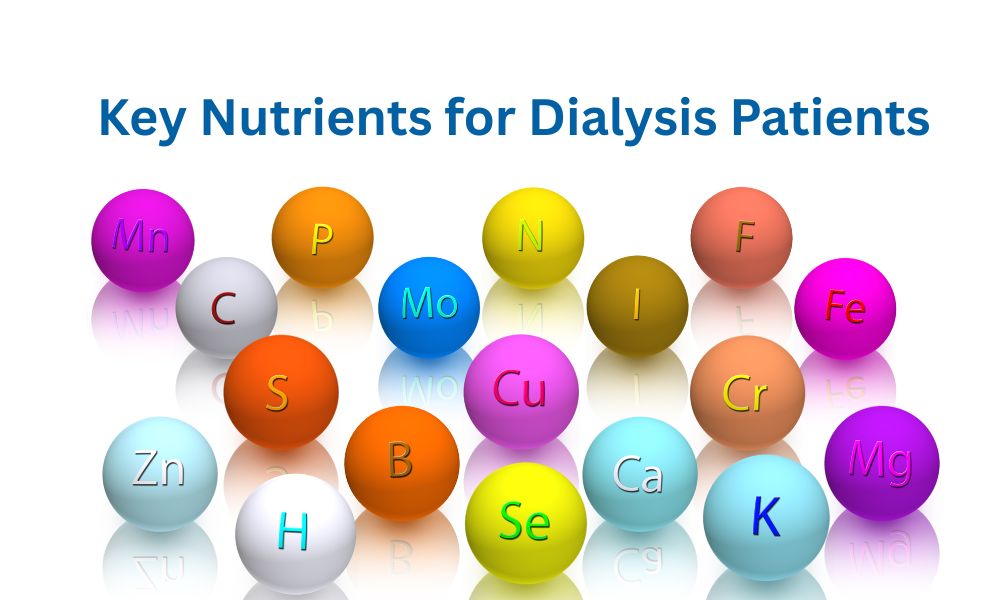
Every nutrient has a role, too much or too little can harm you
|
Nutrient |
Role |
Impact |
Food to Avoid/ Eat |
|
Potassium |
Supports heart and muscle function |
High intake leads to muscle weakness and heart problems |
Avoid
|
|
Phosphorous |
Builds bones |
Excess intake weakens bones |
Avoid
|
|
Protein |
Helps in tissue repair |
Eat
|
|
|
Sodium |
Too much intake results in thirst, swelling, and high BP |
Avoid
|
|
|
Calories |
Keeps up the energy |
Eat Small, frequent meals with good fats and carbs |
Our specialised renal dietitian will adjust your diet plan based on your dry weight (true body weight with no extra fluid).
When to consult a kidney dietitian in Bangalore?
You should consult our dietitian if:
-
You feel tired or weak
-
You’ve had sudden changes in weight
-
You have muscle cramps or feel bloated
Our kidney dietitian in Bangalore will create a diet plan that matches your dialysis schedule and lifestyle.
Bad Food Choices Harm the Dialysis Journey
Unhealthy eating and drinking habits can pave the way to serious problems.
- Bad food choices can reduce the effectiveness of dialysis.
- Excess salt, potassium, or fluids can put added strain on your heart and kidney function.
- Ignoring diet restrictions may lead to swelling, breathlessness, or dangerous electrolyte imbalances.
- Unhealthy eating can slow recovery and increase the risk of serious complications.
Nourish your body wisely; your diet is your strongest ally during dialysis.








