 Nephrology
 Urology
 Andrology
 Fertility (IVF)
 General Nephrology
 Paediatric Nephrology
 Dialysis
 Renal (Kidney) Biopsy
 CRRT
 Peritonial Dialysis
 Robotic Surgery
 Urinary Incontinence
 Uro-Oncology
 Laparoscopic Urology
 Reconstructive Urology
 Anaesthesiology
 Radiodiagnosis
 Nutrition and Dietetics
 Pediatric and Immunization
 Cardiology
 Intensive Care Unit





Got your latest blood test report? Are you wondering what creatinine levels are?
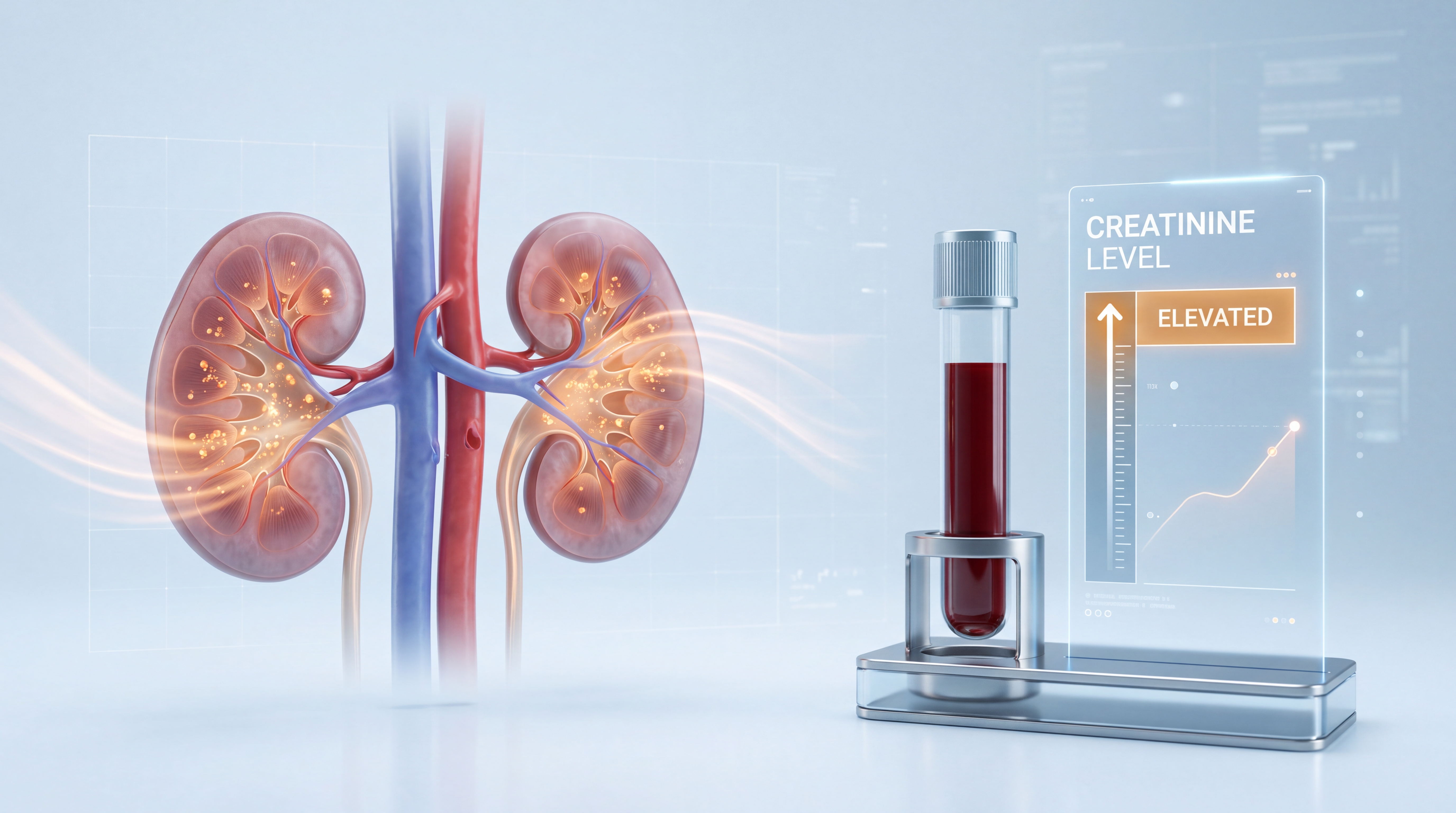
Creatinine levels are very important to understand your kidney health.
Kidneys are the filters of your body. They process your blood, remove waste, and keep everything in balance. Creatinine is a waste product. It tells us how well your kidneys are working.
If your creatinine levels are off, your body may be giving silent warning signs. Therefore, understanding your creatine levels is the first step you can take towards better kidney health.
Follow this guide to learn more about the kidney function test, the creatinine normal range, and what you should do.
What Are Creatinine Levels?
Creatinine is a waste product. Your muscles are making it every day, and your kidneys are removing it every day.
When your kidneys work well, they filter creatinine out through your urine. However, when they don’t, creatinine builds up in your blood.
Hence, creatinine interpretation is an important part of your kidney function test.
Purpose of Creatinine Test
The main reason your doctor checks your creatinine levels with the help of a kidney function test is to check the filtration power of your kidneys.
A creatinine test is used:
-
To screen for kidney disease. Mainly in people with diabetes, high blood pressure, or a family history of kidney problems.
-
To monitor known kidney disease or damage.
-
To check how few medications are affecting your kidneys.
Creatinine vs. eGFR
Serum creatinine level is important. However, your doctors use it to calculate the eGFR.
-
Serum Creatinine: It helps to measure the concentration of creatinine in your blood.
-
eGFR (estimated Glomerular Filtration Rate): This is a better way of testing your kidney function. It shows how many milliliters of blood your kidneys clean per minute.
It uses your creatinine level, age, and sex to give a better picture of your filtering speed.
What are Normal Creatinine Levels?
Understanding the normal creatinine range is the first step. The ranges can vary depending on several factors.
Creatinine Normal Range (Serum)
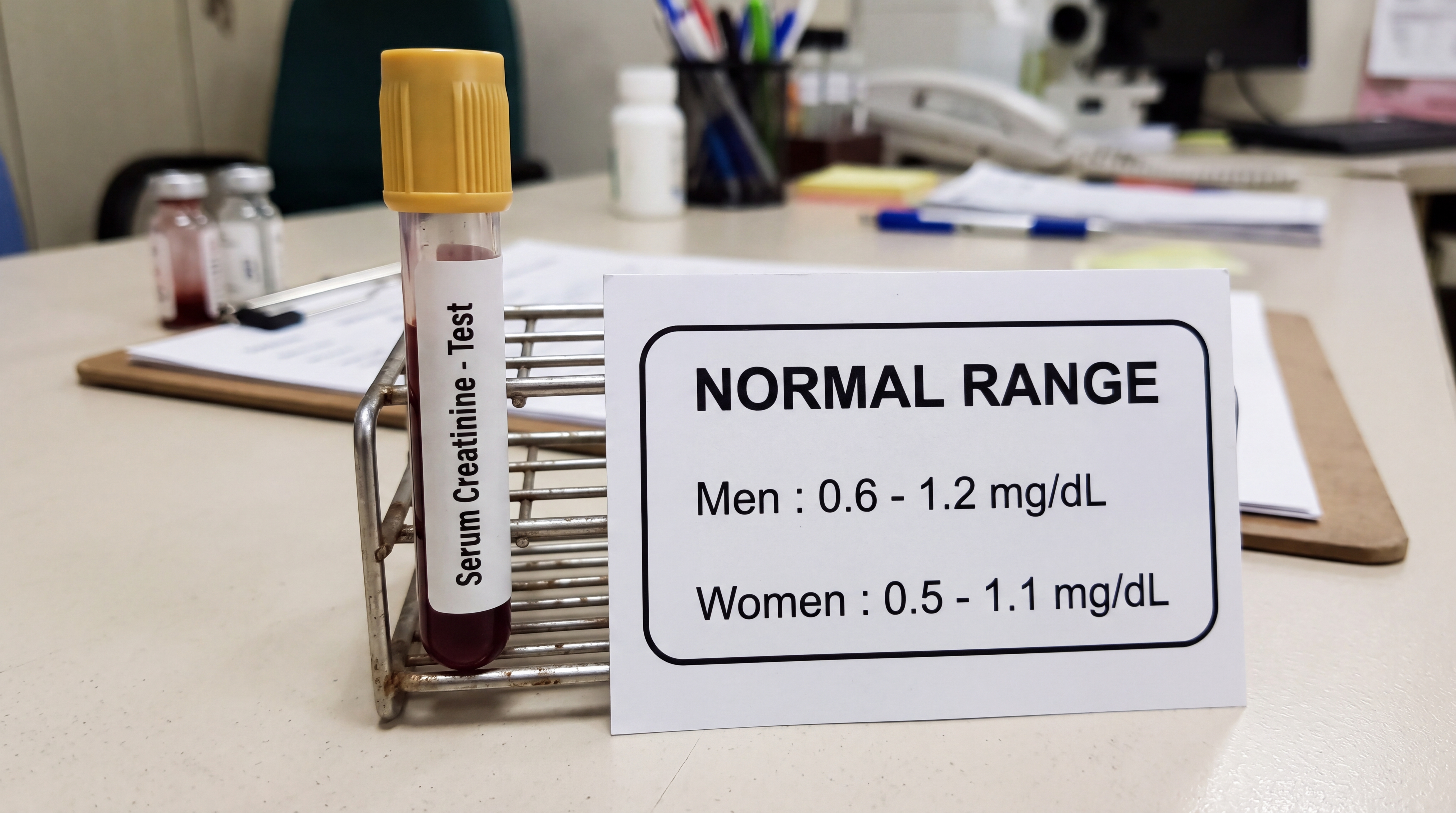
The creatinine normal range for a blood test is generally:
-
Men: 0.6 to 1.2 mg/dL
-
Women: 0.5 to 1.1 mg/dL
Women usually have lower levels as they typically have less muscle mass than men.
Normal Creatinine Levels by Age
Creatinine levels are more dependent on muscle mass than age. However, your doctor will consider age while calculating your eGFR.
Age Group |
Typical Serum Creatinine Range (mg/dL) |
Children (3–18 years) |
0.3 – 0.8 |
Adult Women |
0.6 – 1.1 |
Adult Men |
0.7 – 1.3 |
Older Adults |
0.6 – 1.2 |
The numbers may vary depending on your body type.
What Does a High Creatinine Level Mean?
A high creatinine level is a sign of alarm. It means your kidneys are struggling to filter the waste effectively.
High creatinine causes
High creatinine levels can be caused due to several reasons, such as:
-
Reduced Kidney Function
This is the most serious cause. It could be Acute Kidney Injury (AKI) or Chronic Kidney Disease (CKD).
-
Dehydration
Not drinking enough fluids can mean less blood flow to the kidneys. This can lead to concentrated waste and a temporary spike in your levels.
-
Excessive Protein Intake
A diet rich in red meat or protein supplements can overload the system.
-
Intense Exercise
Strenuous workouts can cause temporary muscle breakdown, spiking creatinine.
-
Medications
Certain medicines, including a few antibiotics and NSAIDs, can temporarily or permanently impair your kidney function.
-
Urinary Blockage
Kidney stones or an enlarged prostate can block your urine flow. This can cause urine backup, straining your kidneys.
What does Low Creatinine Levels Mean?
Low creatinine levels are not a cause for concern regarding your kidney function. Low levels mean:
-
Low Muscle Mass
It is seen in older, frail adults or people with muscle-wasting diseases.
-
Severe Liver Disease
Your liver is responsible for producing the precursor to creatinine (creatine).
-
Pregnancy
Your levels may be lower due to increased blood flow and filtration.
When to Worry about Creatinine Levels?
What level is bad for creatinine?
There is no bad number for your creatinine level. It depends on your age and sex.
Serum Creatinine levels above 1.5 mg/dL to 2.0 mg/dL in an adult indicate significant kidney damage. It may require immediate medical attention.
A sudden increase in a short period is more worrying than a stable, elevated number.
When to worry about creatinine levels?
You should be concerned and seek medical advice immediately if:
-
Your serum creatinine is constantly above the normal range.
-
Your calculated eGFR is below 60 mL/min/1.73m² (especially if below 30).
-
Your high creatinine interpretation is accompanied by symptoms such as:
-
Fatigue, difficulty concentrating, or confusion.
-
Swelling, especially in the legs and ankles.
-
Changes in urination (foamy, bloody, or less frequent).
-
Nausea and vomiting.
How to Lower Creatinine Levels
The goal is not only to lower your creatinine levels, but also to protect and stabilize your kidney function. Learning how to lower creatinine levels is by adapting a kidney-friendly lifestyle.
Lifestyle and Diet Changes
These are important steps for supporting your kidney health:
-
Hydration is important. Drink an adequate amount of water. Dehydration is a common cause of high creatinine.
-
People with kidney disease should reduce high-protein foods such as red meat and dairy. This can help to slow down the production of creatinine in your body. Always consult a doctor or dietitian before making major changes in your diet.
-
Strenuous workouts can temporarily raise your creatinine levels. Switch to moderate activities such as walking or swimming.
-
High sodium intake can worsen your high blood pressure. It is a major enemy of the kidneys.
-
Control your blood sugar and blood pressure: These two conditions are the leading causes of kidney disease. Keeping them under control is the best thing you can do for your kidneys.
Medical Interventions
If your creatinine levels point towards kidney disease, your doctor may recommend:
-
Medication Adjustment
Your doctor may stop or change your medications that are stressing your kidneys.
-
Blood Pressure Medicine
These medicines not only lower your blood pressure but also protect your kidneys.
-
Treating the Cause
Your doctor will address the root issue, whether it's an infection, heart failure, or a blockage.
Protect Your Kidney Health
Your creatinine levels are your body’s report card. They offer clear insight into your kidney health.
Did you find a high creatinine level in your latest blood report? You need expert care.
Don't wait for symptoms to appear.
NU Hospitals, Bengaluru, is a leading Nephrology and Urology hospital. Visit our website or call today to book a consultation!








