 Nephrology
 Urology
 Andrology
 Fertility (IVF)
 General Nephrology
 Paediatric Nephrology
 Dialysis
 Renal (Kidney) Biopsy
 CRRT
 Peritonial Dialysis
 Robotic Surgery
 Urinary Incontinence
 Uro-Oncology
 Laparoscopic Urology
 Reconstructive Urology
 Anaesthesiology
 Radiodiagnosis
 Nutrition and Dietetics
 Pediatric and Immunization
 Cardiology
 Intensive Care Unit




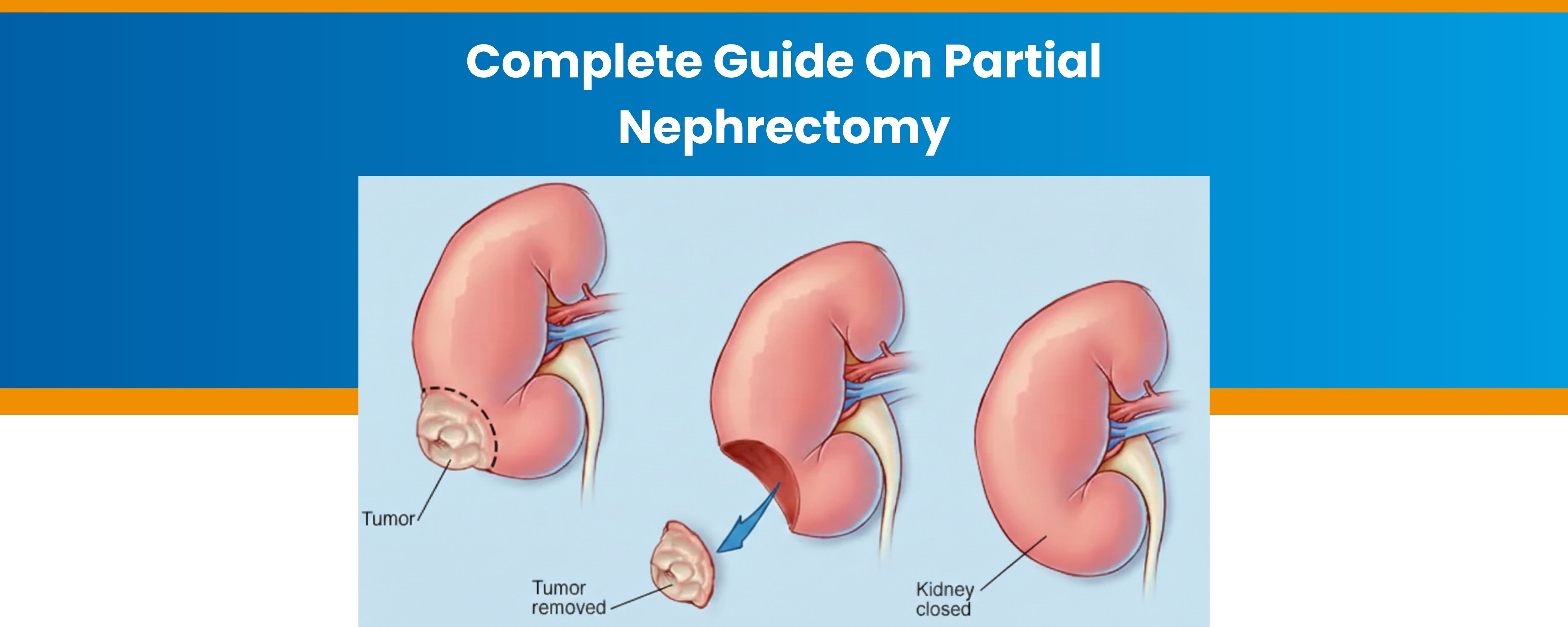
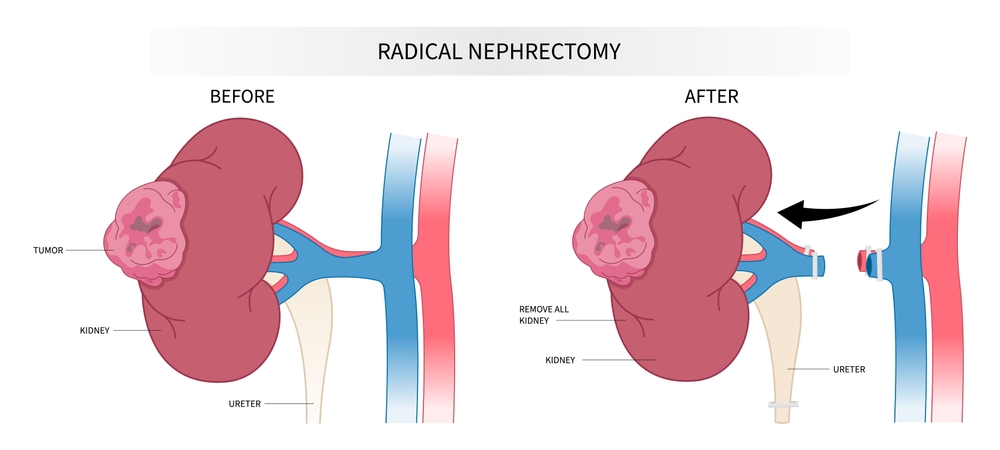
Doctors use partial nephrectomy to target and remove a kidney tumour while leaving the good parts alone. While some surgeries take the whole organ, this one is all about "keeping what works." Protecting your healthy kidney tissue is the best way to make sure your body stays healthy long-term. It keeps your filtration system running and helps you avoid serious kidney problems in the future.
From a health outcomes perspective, favouring partial nephrectomy for tumours under 7 cm is a proactive strategy to reduce the population-wide burden of renal failure. By targeting only the lesion and sparing healthy tissue, this procedure is especially vital for vulnerable patients with existing kidney issues. The priority is clear: achieve total oncological control while maximising the kidney's filtration capacity.
At NU Hospitals, we always try to avoid total organ removal when preservation is possible. The integration of robotic and laparoscopic systems into standard practice has made these surgeries more accessible and safer. Such advancements contribute to better long-term health metrics, fewer dialysis requirements, and a more efficient recovery process for the general population.
Surgical Options for Partial Nephrectomy
There are a few ways to perform a partial nephrectomy, and the choice depends on the tumour and your surgeon’s expertise.
Open Partial Nephrectomy
Open partial nephrectomy involves making a larger incision in the abdomen or flank to access the kidney directly. While this approach provides excellent visibility and control, it is generally associated with more postoperative pain, more extended hospital stays, and slower recovery compared to minimally invasive techniques. Today, open surgery is usually reserved for complex cases where minimally invasive surgery is not suitable.
Laparoscopic Partial Nephrectomy
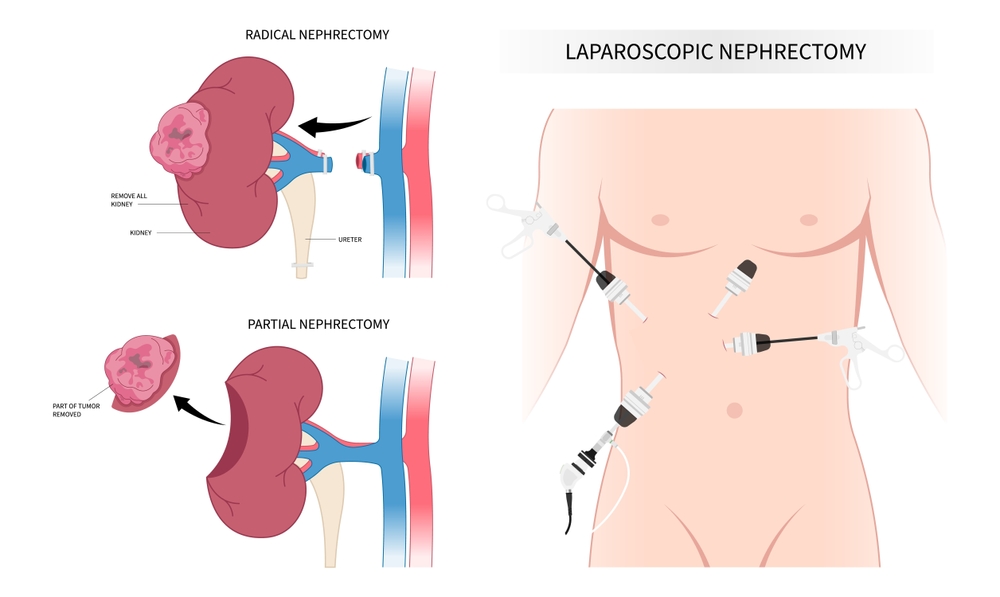
Laparoscopic partial nephrectomy is a minimally invasive technique performed through small incisions using specialised instruments and a camera. This approach reduces blood loss, postoperative pain, and hospital stay while offering good surgical outcomes. Because this method requires great care and skill, your surgeon’s expertise ensures the best possible outcome for you.
Robotic-Assisted Partial Nephrectomy
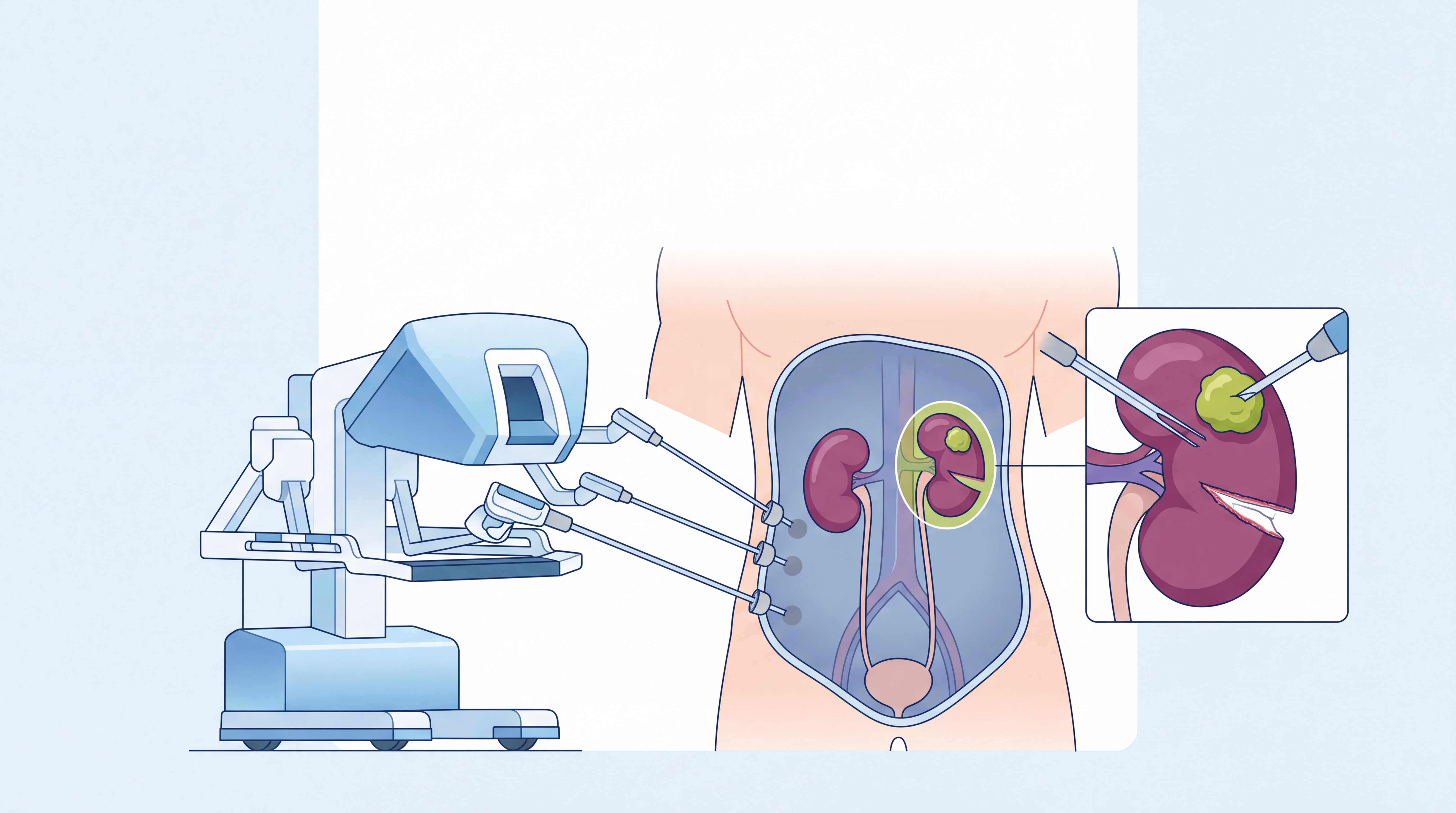
Robotic technology represents a vital shift toward precision-based procedures. By providing surgeons with advanced visualisation and control, the robotic system improves the safety profile of kidney preservation. This leads to better long-term kidney function and fewer systemic health complications. It is now widely regarded as a leading option for ensuring high-quality surgical intervention.
Advantages of Partial Nephrectomy
If you're a candidate for a partial nephrectomy, you’re looking at a surgery that prioritises your future health.
-
Preservation of Kidney Function: This surgery keeps your healthy kidney tissue right where it belongs. This is a lifesaver for anyone who already has kidney issues or only one working kidney.
-
Reduced Risk of Chronic Kidney Disease: Preserving your kidneys is the best way to avoid chronic disease and dialysis. It’s a smart move for your long-term heart and kidney health.
-
Effective Cancer Control: Don't worry about the cancer, as this method is just as effective at removing tumours. You get a clean bill of health without losing an entire vital organ.
-
Minimally Invasive Benefits: Because doctors use small holes instead of one big cut, you’ll heal much faster. You can expect less soreness and a quick trip home to finish your recovery in comfort.
-
Improved Quality of Life: Preserving your kidney helps you stay healthy in the long term. Most people find they have more energy and fewer health rules to follow when their kidneys remain strong.
Recovery Post Partial Nephrectomy
Recovery is all about following the plan. Most people have a smooth experience if they take it one step at a time.
-
Hospital Stay: Plan for 2–4 days in the hospital for robotic or laparoscopic work. If you’re having open surgery, expect to stay a few days longer for proper monitoring.
-
Pain Management: Medication will keep your pain under control. Minimally invasive surgeries are much less painful than open ones, so you likely won’t need as much medicine for as long.
-
Activity and Mobility: Start walking as soon as the nurses say it's okay. You can handle light activity in days, but absolutely no heavy lifting for 4 to 6 weeks.
-
Diet and Hydration: Stay hydrated and eat a mix of healthy foods to help your kidneys recover. Most people can eat whatever they usually do after surgery.
-
Return to Work: Most desk jobs are okay after 2–3 weeks. If your job is tough on the body, plan for a longer break before going back.
Risk Factors and Follow-Ups After Partial Nephrectomy
Knowing the risks helps you and your doctors stay ahead of any issues that might come up during your surgical recovery.
-
Bleeding: Although it's uncommon, we monitor for bleeding to ensure you remain stable and healthy after the tumour is removed.
-
Infection: We treat any signs of infection immediately with antibiotics to prevent a setback in your healing.
-
Urine Leakage: If a leak occurs at the surgical site, we place a temporary drain to keep you comfortable while it heals.
-
Reduced Kidney Function: Short-term changes are common, but the long-term goal is to keep your kidneys so you stay healthy for years.
-
Anaesthesia Risks: These are based on your personal health and will be fully discussed with you by your medical team before surgery.
Follow-Up Care
Post-surgery follow-ups are your primary defence against complications after a partial nephrectomy. They help ensure that your remaining kidney tissue works hard and that the tumour doesn’t come back. You’ll have blood tests to check your kidney health and imaging, such as CT scans, to assess the surgical area. They will also watch your blood pressure closely because it’s a significant part of kidney health. These simple tests are the best way to ensure everything is staying on the right track.
Why Choose NU Hospitals for Robotic/Laparoscopic Partial Nephrectomy
Expertise in Advanced Urology
Our urologists have the skill and experience to remove tumours with high accuracy while keeping your kidney's natural filters working perfectly.
State-of-the-Art Technology
We use the best tools in medicine, including advanced robotic systems. This technology ensures that your surgery is as precise and safe as possible, allowing for a much better recovery experience.
Patient-Centric Approach
Get back to what you love faster. We put your comfort first and create a care plan designed to help you achieve a quick, successful recovery and an active life.
Comprehensive Care
By managing planning, surgery, and recovery in one location, we ensure that high-quality urological care remains consistent and easy to navigate for every member of our community.
Proven Outcomes
Our results are unassailable. With a verified history of high surgical success and minimal complications, we remain the definitive choice for patients requiring advanced and safe kidney-preserving surgical options.
Conclusion
If you're looking for a way to treat a kidney tumour and keep your health on track, partial nephrectomy is the answer. It’s a safer, modern surgery that gets you back on your feet quickly. NU Hospitals makes it easy by providing world-class doctors and the best technology, all working together to keep you and your kidneys healthy.








