 Nephrology
 Urology
 Andrology
 Fertility (IVF)
 General Nephrology
 Paediatric Nephrology
 Dialysis
 Renal (Kidney) Biopsy
 CRRT
 Peritonial Dialysis
 Robotic Surgery
 Urinary Incontinence
 Uro-Oncology
 Laparoscopic Urology
 Reconstructive Urology
 Anaesthesiology
 Radiodiagnosis
 Nutrition and Dietetics
 Pediatric and Immunization
 Cardiology
 Intensive Care Unit




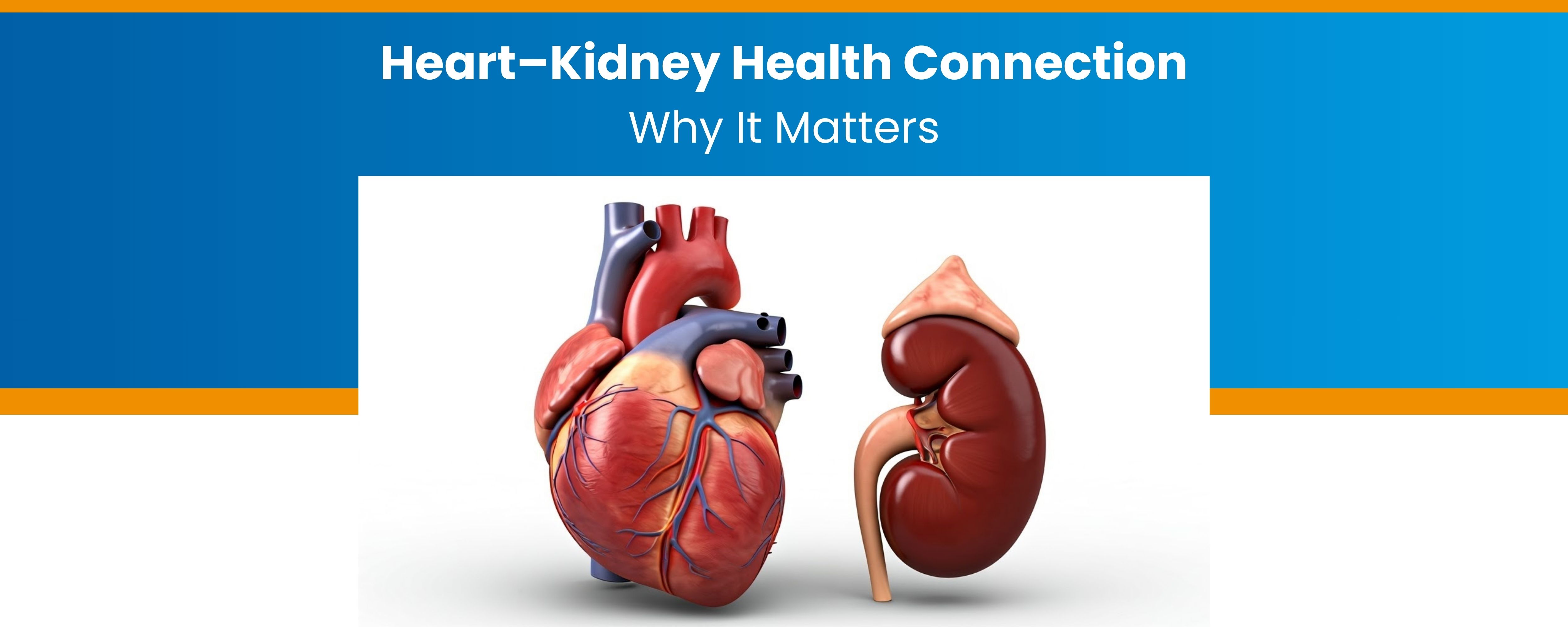
We must pay closer attention to the link between the heart and the kidneys. Many ignore this relationship until it is too late, treating heart and kidney issues as unrelated. In reality, they are a package deal. When one fails, the other is likely to follow.
This heart-kidney connection is a critical warning for anyone with high blood pressure or diabetes. Ignoring this link significantly increases your risk of total heart or kidney failure. Medically, this dangerous downward spiral is known as cardiorenal syndrome.
You cannot afford to treat these organs separately. The heart-kidney connection means that a crisis in your chest can quickly become a crisis in your renal system. Action must be taken now to monitor both organs together. Understanding this cycle is the only way to prevent a manageable condition from becoming a life-threatening emergency. Your survival depends on this integrated view.
How the Heart and Kidneys Work Together
To understand your body's health, you must look at the heart-kidney connection. The heart circulates blood to provide oxygen, while the kidneys filter that blood to remove toxins and balance sodium levels. These organs are interdependent, meaning they rely on one another.
The heart must provide a steady flow for the kidneys to work. In return, the kidneys control blood pressure. If the kidneys aren't working well, fluid builds up, making the heart work much harder to pump. This extra strain can damage both organs over time. This balance is so sensitive that a problem in the heart often leads to a problem in the kidneys, and vice versa.
Understanding Cardiorenal Syndrome
Cardiorenal syndrome refers to a group of conditions in which dysfunction in the heart or kidneys causes dysfunction in the other organ. It is not a single disease, but rather a complex interaction between the two systems.
There are several types of cardiorenal syndrome. In some cases, heart failure leads to kidney damage. In others, chronic kidney disease contributes to heart problems. Sometimes, both organs deteriorate at the same time due to conditions such as diabetes, hypertension, or severe infection.
This condition is especially common in older adults and in people with long-standing high blood pressure or cardiovascular disease. Once cardiorenal syndrome develops, it often leads to frequent hospitalisations, reduced physical capacity, and a higher risk of serious complications unless carefully managed.
How Heart Disease Affects Kidney Health
You must take the link between your organs seriously. Understanding how heart disease affects kidney health could save your life. When your heart is too weak to pump blood effectively, your kidneys are the first to suffer. They stop filtering waste, and fluid begins to accumulate in your lungs and legs, creating a drowning effect that increases pressure on your heart. This is a downward spiral.
Low blood pressure from a failing heart can also cause permanent, irreversible damage to your kidney tissue. If left unchecked, this combination will lead to chronic kidney disease or total kidney failure.
You cannot treat the heart in isolation. If you have heart disease, you must go for regular kidney function tests. Don't wait for swelling or exhaustion to become permanent. Act now to protect your renal health before the damage becomes irreversible.
Why Kidney Disease Increases Heart Risk
You cannot have a healthy heart if your kidneys are failing. To understand how kidney disease affects heart health, you must consider how these four factors impact health outcomes.
Key reasons include:
-
High Blood Pressure: When the kidneys struggle to manage fluids, they can't clear them well, which raises your blood pressure and puts extra strain on your heart.
-
Hardened Arteries: Imbalances in calcium and phosphate turn flexible vessels into stiff, brittle tubes, forcing the heart to pump against higher resistance.
-
Oxygen Deprivation: A drop in red blood cell production causes anaemia, which deprives your body of oxygen and prematurely wears out the heart.
-
Arterial Damage: Systemic inflammation from kidney disease is a silent killer that destroys your blood vessels from the inside out.
Shared Risk Factors
Lifestyle choices dictate the strength of the heart-kidney connection. Shared risks damage the vasculature, reducing essential blood flow to both systems simultaneously.
Common shared risk factors include:
-
Diabetes: Causes vascular scarring.
-
Hypertension: Damages the filters and the muscle.
-
Obesity: Increases metabolic stress.
-
Smoking: Constricts oxygen-carrying vessels.
-
High cholesterol: Clogs arterial pathways.
-
Inactivity: Weakens overall organ function.
-
Stress: Disrupts hormonal and pressure balance.
Preventing these factors preserves the integrity of both organs.
Symptoms of Combined Heart and Kidney Problems
You should not ignore the warning signs when your heart and kidneys struggle together. This dual failure is a silent thief of your oxygen and your health.
Common symptoms include:
-
Shortness of breath: Fluid is invading your lungs.
-
Swelling: Fluid is bloating your face and feet.
-
Exhaustion: Your organs are starving for oxygen.
-
Dwindling urination: Your kidneys are shutting down.
-
Persistent nausea: Toxin levels are reaching critical points.
-
Disorientation: Your brain is losing its blood supply.
Diagnostic tools used:
-
Immediate blood/urine panels
-
Critical pressure monitoring
-
Urgent echocardiograms/ultrasounds
Managing Heart and Kidney Health
Managing heart and kidney health together requires you to take immediate, coordinated action. Your doctors will focus on four pillars: controlling blood pressure, regulating blood sugar, lowering cholesterol, and preventing fluid buildup. You must take your medications exactly as prescribed to shield both organs.
Your diet is your first line of defence. Excessive salt causes fluid to build up in your lungs and strain your heart. You must strictly limit processed foods and monitor minerals like phosphate to prevent arterial hardening. Every cigarette and every drink adds to the damage. Without regular blood tests and constant pressure checks, you are flying blind. Act now to monitor these vital signs before the damage becomes irreversible.
The Importance of Early Prevention
The link between heart and kidney failure is a ticking clock. Prevention must start now. Uncontrolled diabetes and hypertension will destroy both organs simultaneously. You cannot ignore small details in diet or medication; they are your only defence. Early treatment is the only way to break the fatal cycle of cardiorenal syndrome. Act immediately to protect your organs before the damage becomes permanent and irreversible.
Conclusion
You should not treat your heart and kidneys as separate issues. They are one unified system. This is why damage to one organ is a direct threat to the other. You must understand why kidney disease increases heart risk to see the urgency of integrated care.
Managing heart and kidney health together is the most powerful way to safeguard your future. By following your treatment plan and managing your lifestyle, you can protect both organs from a downward spiral.
A strong heart is a gift to your kidneys, and healthy kidneys are a blessing for your heart. Recognising and respecting this partnership is basically the best glow-up you can give your long-term health and wellness.








