 Nephrology
 Urology
 Andrology
 Fertility (IVF)
 General Nephrology
 Paediatric Nephrology
 Dialysis
 Renal (Kidney) Biopsy
 CRRT
 Peritonial Dialysis
 Robotic Surgery
 Urinary Incontinence
 Uro-Oncology
 Laparoscopic Urology
 Reconstructive Urology
 Anaesthesiology
 Radiodiagnosis
 Nutrition and Dietetics
 Pediatric and Immunization
 Cardiology
 Intensive Care Unit





What is creatinine? How do the high levels of creatinine affect our health? Is it serious?
Let us understand creatinine in detail. It is common to panic when you hear an unfamiliar word, such as “high creatinine in your blood”. Most of you think high creatinine is linked to kidney failure. It does not always mean kidney failure.
We should know the causes, signs and when to attend a kidney function evaluation.
You and your kidneys need expert evaluation and support, and that is what we do at NU Hospitals.
Our nephrologists help you understand everything that is happening with you because of high creatinine levels, their causes and treatment options.
This blog deals with details about creatinine and its impact on kidney health.
What Is Creatinine? How Does It Affect Kidneys?
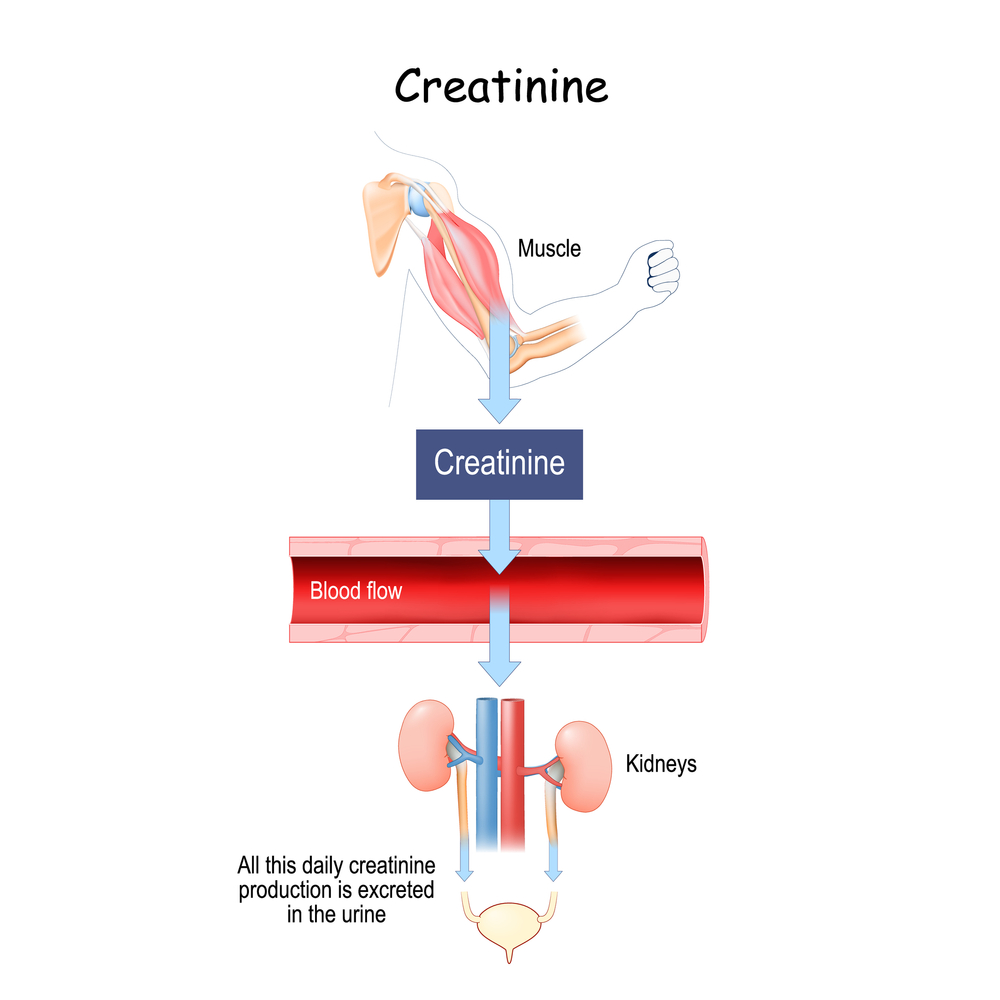
When your muscles use energy, they produce waste. This waste product is called creatinine. Our kidneys filter this, and so creatinine gets eliminated in the urine.
When our kidneys are not working well, that is the time when creatinine starts building up in our blood.
The level of blood creatinine is measured with a test called serum creatinine. The result helps us estimate your kidney’s filtration function [estimated glomerular filtration rate (eGFR)].
What do creatinine levels indicate about kidney function status?
Let us find out:
Creatinine range (mg/dL) |
Kidney function status |
0.6-1.2 |
Normal |
1.3 - 1.9 |
Mild kidney injury |
2.0 - 3.9 |
Moderate kidney damage |
4.0 and above |
Severe damage to the kidneys |
*These values are interpreted for a healthy male adult. Values can be different for teens, infants, children, and women.
Common Causes and Risk Factors of Elevated Creatinine
There are several causes for high creatinine levels. A few may be temporary, and others are long-term.
Here are some common causes and risk factors of elevated creatinine:
-
Acute Kidney Injury (AKI)
The initial damage to the kidneys is often seen with high creatinine levels. They are the most common signs of kidney damage.
-
Glomerulonephritis
The tiny filters of the kidney (glomeruli) are inflamed and impact the filtration rate.
-
Chronic Kidney Disease
Kidneys lose their ability to filter, hence high blood levels of creatinine.
-
End-Stage Renal Disease (ESRD)
Kidneys can no longer function without external support.
-
Dehydration
Less consumption of water and not drinking enough at regular intervals slow the filtration rate.
-
High blood pressure
Pressurises the kidney and imposes more stress.
-
Diabetes
One of the leading contributors to CKD, along with High BP
-
Medication
Certain medications, like painkillers, alternative medications or supplements, can affect kidney function.
-
Kidney infections
Can scar your kidneys and lead to high creatinine levels
-
Kidney stones
Kidney stones block urine flow and raise creatinine levels.
-
Muscle injury or intense exercise
This can temporarily increase the levels of creatinine.
Recognizing Symptoms of High Creatinine and Kidney Issues
You might miss noticing any signs in the early stages, but as the kidney functions gradually decline, you can start developing some red flag symptoms. Here is what to watch out for:
-
Foamy urine output
-
Changes in urination (frequency, urgency, pain, irritation)
-
Fatigue or persistent tiredness despite a good diet and rest
-
Loss of appetite
-
Nausea
-
Swelling in the feet, ankles and around the eyes
-
Muscle cramps
-
Shortness of breath in complex cases
These signs do not always indicate kidney failure, but it's a step for you to get your kidneys checked.
Diagnostic Tests for High Creatinine at NU Hospitals Bangalore
Our experts will advise a few tests to check the kidneys' functionality and provide you with the best treatment option
Test name |
Purpose |
Serum Creatinine |
To measure the creatinine level in the blood |
eGFR |
To estimate the kidney filtration rate |
Urinalysis |
To detect any protein leakage or blood in the urine |
Ultrasound/CT |
To check for the size, shape, any obstruction, or structural problems of the kidneys |
Blood tests |
To check for diabetes, hypertension and other underlying causes |
Managing High Creatinine Levels: Treatment & Lifestyle Tips
Your treatment option may vary from another patient's. We tailor treatments based on the root cause. It might include medication, lifestyle changes and preventive care.
Dietary modifications to reduce kidney stress
Our dietitians will help you curate a kidney-friendly meal to manage your creatinine:
-
Avoid high-protein and red meat in your diet
-
Eat fruits and vegetables as per the diet advised
-
Reduce salt consumption
-
Avoid processed food and canned drinks
-
Stay hydrated – not more, not less
-
Try to have fresh and home-cooked meals
You will get a customised diet plan according to your preference and which will help your recovery.
Medications to control blood pressure and kidney health
To control your blood pressure, doctors might prescribe:
-
ACE inhibitors/ARBs
These help in lowering blood pressure, protecting your kidneys and preventing protein loss.
-
Diuretics
Used to remove excess salt and fluid from the body
-
Blood sugar medication
Medication to control diabetes
-
Cholesterol-lowering drugs
Cholesterol can damage kidney vessels and needs to be controlled for the future.
Patients who follow proper medication and make lifestyle changes can see better results.
Please note: These medications are prescribed differently for every patient and shouldn't be taken without a prescription.
Dialysis and Renal transplantation options in severe cases for high creatinine
If your kidney function drops significantly, you will need to undergo dialysis or a kidney transplant.
Dialysis
It is a procedure used to filter waste and excess fluid from the blood. Dialysis can be done in two ways: haemodialysis or peritoneal dialysis.
Our dialysis centres:
- Use Single-use dialysers
- Infection-free dialysing machines
- Follow strict infection control protocols
- Have marked zero Hep-C from 2013
Kidney transplant
A transplant involves the replacement of the failed kidney with a functioning kidney from a donor (living or deceased)
Patients receive a gift of new life. It is a long-term solution for patients dealing with CKD and ESRD.
NU Hospitals, Bangalore, is a pioneer in kidney transplant surgeries.
-
Performed 700+ kidney transplants
-
Performed the first kidney transplant in Bangalore in 1999
-
Perform all types of transplants (Living donor, cadaver, ABO incompatible, Swap donor and pre-emptive transplant)
-
Have success rates throughout
Preventing Kidney Damage: Long-term Care Strategies
Controlled creatinine is not the end. You have to maintain your kidney health forever. A few simple habits can help you:
-
Check your blood pressure and sugar levels regularly
-
Get a routine check-up of kidney function every 6-12 months
-
Do not self-medicate.
-
Follow the prescribed diet and medication
-
Get urine and protein tests periodically
-
Maintain a good lifestyle and stay active
-
If you feel something is off, consult your doctor immediately








