 Nephrology
 Urology
 Andrology
 Fertility (IVF)
 General Nephrology
 Paediatric Nephrology
 Dialysis
 Renal (Kidney) Biopsy
 CRRT
 Peritonial Dialysis
 Robotic Surgery
 Urinary Incontinence
 Uro-Oncology
 Laparoscopic Urology
 Reconstructive Urology
 Anaesthesiology
 Radiodiagnosis
 Nutrition and Dietetics
 Pediatric and Immunization
 Cardiology
 Intensive Care Unit




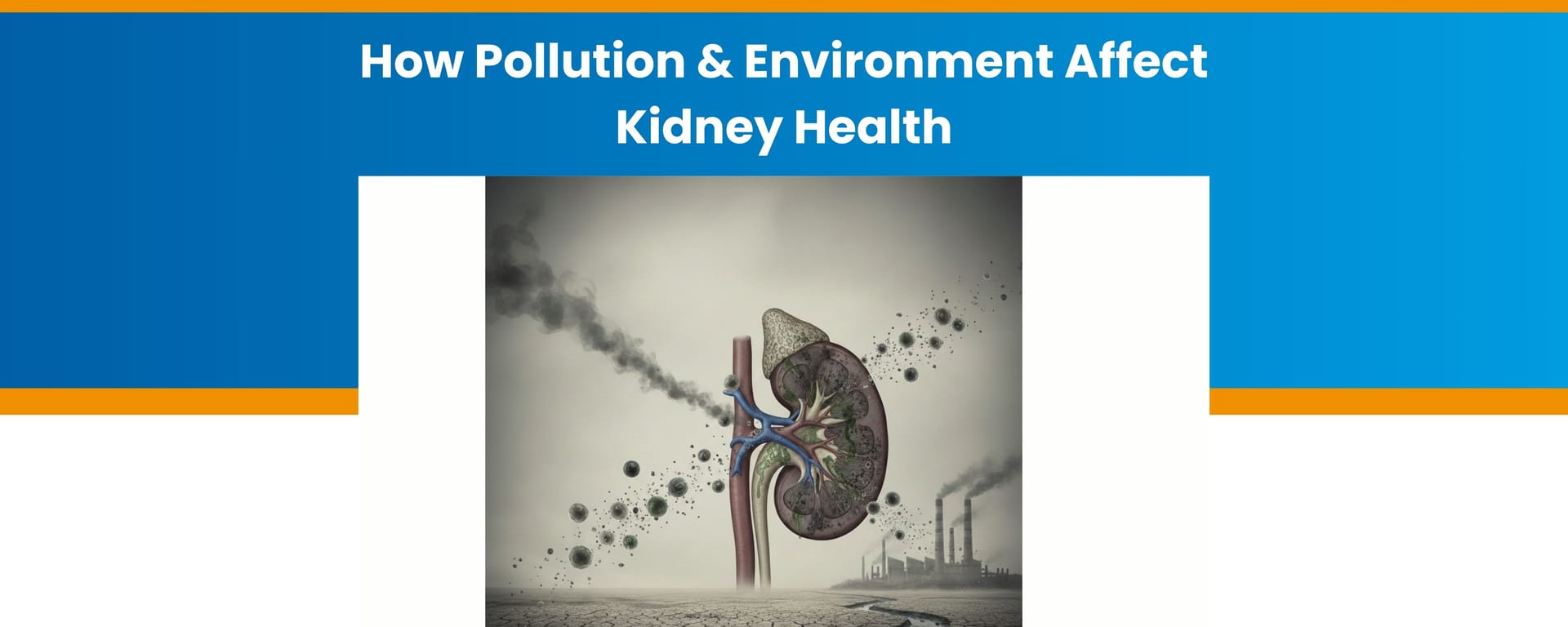
Pollution is usually linked to breathing trouble or allergies. Kidney health is rarely part of that conversation. Yet doctors now see clear effects of pollution on kidney health, especially in people living in cities or industrial areas.
Kidneys filter blood continuously. Any harmful substance that enters the body, whether through air, water, or food, eventually reaches the kidneys. When exposure happens repeatedly, the kidneys carry the burden silently. Damage often builds up slowly, without pain or early warning signs.
This is why it is important to understand how the environment impacts kidney function, even if you feel well.
How are the Kidneys Affected by Environmental Exposure?
The kidneys act as filters. Their job is to remove waste, extra salts, and toxins from the blood.
When pollution levels are high, more harmful particles circulate in the bloodstream. Over time, this can irritate kidney tissues and affect blood flow inside the kidneys. These changes are now recognised as environmental factors that cause kidney disease, particularly when exposure persists for years.
In many patients, kidney function begins to decline long before symptoms appear.
Can Air Pollution Really Harm the Kidneys?
Yes. Air pollution affects more than breathing. Smoke and dust from traffic, factories, and fuel burning can move beyond the lungs. Airborne pollution does not simply pass through the body and disappear. When exposure happens again and again, the kidneys have to deal with substances they were never designed to handle in large amounts. Over time, this can affect blood flow within the kidneys and reduce their filtering efficiency.
This is one reason doctors now see a stronger link between air pollution and kidney problems, especially in people who already have diabetes, high blood pressure, or early kidney disease. During days when pollution levels rise sharply, kidney-related symptoms and complications also tend to worsen in such patients.
Water, Soil, and Toxins: Why Kidneys Take the Hit
Water quality plays a major role in kidney health. In some regions, drinking water may contain traces of heavy metals or chemical residues.
The link between toxins and kidney damage is well recognised in medical practice. Substances such as lead, mercury, and cadmium can slowly build up in the body. When kidneys repeatedly filter these toxins, long-term damage may occur.
Other contributors include:
-
Pesticides used in farming
-
Industrial chemicals
-
Food grown in contaminated soil
These environmental factors are important causes of kidney disease, particularly in rural and industrial areas.
Smoking and Kidney Health
Smoking adds to environmental risk. Tobacco smoke contains chemicals that damage blood vessels and increase inflammation.
Both smoking and long-term exposure to second-hand smoke have been linked to:
-
Faster decline in kidney function
-
Higher risk of kidney and bladder cancer
-
Worse outcomes in people with diabetes or high blood pressure
Do Heat and Dehydration Affect Kidney Function?
Yes, especially in hot climates. People who work outdoors or spend long hours in high-temperature settings often lose fluids faster than they realise. When dehydration happens repeatedly, the kidneys receive less blood flow and are forced to function under constant strain.
Over time, doctors may begin to notice a pattern of problems such as:
-
Frequent kidney stones, especially in people who sweat heavily
-
A gradual drop in how efficiently the kidneys filter waste
-
Repeated episodes of concentrated or low urine output
-
Higher chances of urinary infections during prolonged dehydration
-
Long-term kidney damage in people who already have diabetes or high blood pressure
This is another clear way how the environment impacts kidney function, particularly in tropical regions where heat exposure is part of everyday life.
People at Higher Risk of Kidney Problems
Pollution affects everyone, but some people are more vulnerable, including:
-
People with diabetes or high blood pressure
-
Older adults
-
Children
-
Those with existing kidney disease
-
Individuals with long-term chemical or occupational exposure
In these groups, the effects of pollution on kidney health tend to appear earlier and worsen faster.
Can Pollution-Related Kidney Damage Be Reduced?
Completely avoiding pollution is not always practical, especially in urban settings. At NU Hospitals, doctors usually focus on helping patients reduce everyday risk through realistic, manageable changes.
During consultations, patients are often advised on points such as:
-
Being cautious about drinking water quality and using filtered or treated water when needed
-
Maintaining adequate hydration, particularly during hot weather, long work hours, or outdoor activity
-
Limiting regular exposure to household or workplace chemicals wherever possible
-
Using appropriate protective equipment in occupations involving dust, fumes, or solvents
-
Avoiding smoking and reducing exposure to second-hand smoke, as both can worsen kidney stress
-
Having kidney blood and urine tests done periodically, even in the absence of symptoms
These measures may seem simple, but they help clinicians at NU Hospitals identify early kidney changes and guide timely care before serious damage develops.
Why Choose NU Hospitals for Kidney Healthcare?
When environmental exposure is a concern, early evaluation becomes important. NU Hospitals is one of India’s leading centres for kidney and urology care.
Experienced Nephrology Team
NU Hospitals has over 25 years of experience in managing kidney conditions. Our doctors have been successfully treating kidney issues arising from environmental factors and other causes.
Advanced Equipment and High Laboratory Standards
Blood tests and scans are selected based on each patient’s needs, allowing doctors to identify changes before symptoms develop. High-tech equipment and modern facilities under one roof help patients receive comprehensive care.
Care That Continues After Diagnosis
Patients are advised on practical ways to reduce environmental exposure and manage other health conditions that may affect the kidneys in the long run.
Conclusion
Environmental exposure does not usually cause sudden kidney problems, which is why it often goes unnoticed. Over time, regular exposure to polluted air, unsafe water, or chemical substances can place additional strain on the kidneys and affect their function. Paying attention to everyday habits, reducing avoidable exposure, and having kidney tests done when advised can help identify issues earlier, especially for people living or working in higher-risk environments.








