 Nephrology
 Urology
 Andrology
 Fertility (IVF)
 General Nephrology
 Paediatric Nephrology
 Dialysis
 Renal (Kidney) Biopsy
 CRRT
 Peritonial Dialysis
 Robotic Surgery
 Urinary Incontinence
 Uro-Oncology
 Laparoscopic Urology
 Reconstructive Urology
 Anaesthesiology
 Radiodiagnosis
 Nutrition and Dietetics
 Pediatric and Immunization
 Cardiology
 Intensive Care Unit




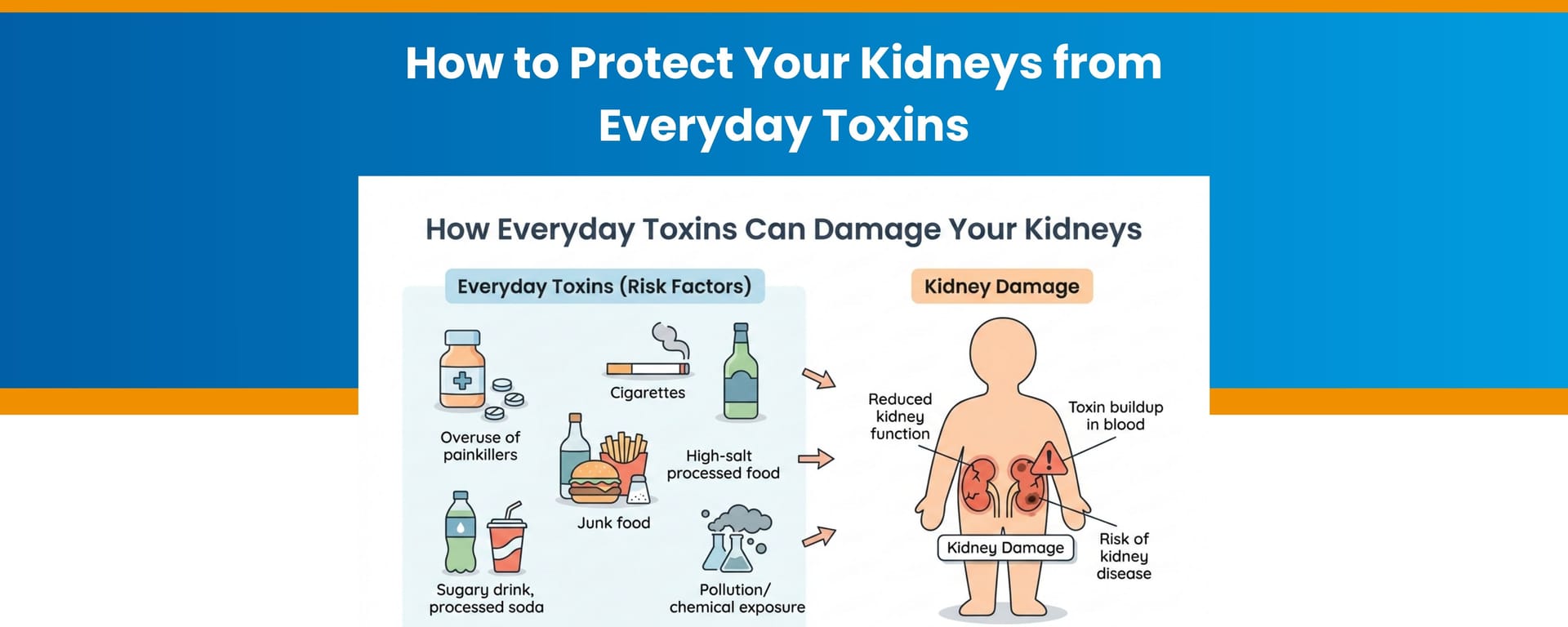
We often take our kidneys for granted, but they are currently subject to continuous environmental stress. The modern world is full of everyday toxins affecting kidney health, including chemicals in plastics, pesticides in our food, and pollutants in our air. This isn't a distant threat. It is happening now. If you don't understand how toxins damage kidneys, you are at risk of developing irreversible conditions like chronic kidney disease without even knowing it. These organs often show no symptoms until they are failing.
The threat of environmental toxicity must be addressed. Reducing exposure to harmful chemicals is a fundamental necessity for health. Maintain renal health by being highly selective about your environment and diet. Proactive care is crucial now; once damage is permanent, the options for recovery are significantly limited.
Understanding Everyday Toxins and Kidney Exposure
Toxins are absorbed through the gut, lungs, and skin before entering the bloodstream. The kidneys filter these substances to maintain blood purity. Frequent exposure can damage the nephrons, which are the functional components of the renal system. Safeguarding these tissues is necessary for biological longevity.
Standard sources of toxins:
-
Lead, mercury, and cadmium (heavy metals)
-
Agrochemicals on conventional produce
-
Household chemicals and plastic components
-
Emissions from industry and traffic
-
Alcohol and artificial food ingredients
-
Excessive use of specific medications
The kidneys have a high capacity for work but remain vulnerable to contemporary pollutants. Low-level, continuous exposure often leads to cumulative, undetected injury. Proactive prevention of toxin exposure is therefore a primary requirement for the long-term maintenance of healthy renal tissue.
How Toxins Damage Kidneys
To really understand why kidney protection from chemicals matters, think about how they work. They’re like a filter that gets obstructed by what it’s trying to clean. Toxins cause inflammation and stress that wear out the cells.
Over time, this can lead to:
-
Reduced filtration efficiency
-
Scarring of the kidney tissues
-
Disruption of fluid and electrolyte balance
-
Increased blood pressure, which further strains the kidneys
Some chemicals even cut off the oxygen supply, while heavy metals accumulate in the tissue. It’s overwhelming your kidneys, so working up to reduce the strain is ideal.
The Hidden Risk of Household and Environmental Chemicals
Everyday environments are full of hidden dangers. Household cleaners and air fresheners contain chemicals that you are breathing in and absorbing right now. The plastics in your kitchen are equally dangerous. BPA and phthalates leak into your food, causing constant renal stress. This cumulative build-up is a direct path to toxin-related kidney damage.
You also need to watch the air you breathe. Fine pollution particles cross from your lungs into your blood, damaging kidney function and increasing the risk of chronic kidney disease. Reducing chemical exposure should be a priority. Switch to glass, go fragrance-free, and support optimal kidney function. Protect your filters before they're forced to work in overdrive.
Diet and Toxin Load on the Kidneys
Diet is a major way we are exposed to harmful substances. Processed foods are often packed with preservatives, artificial colours, and high levels of salt, which can increase the strain on your kidneys. Additionally, produce grown with chemical pesticides can carry residues that become everyday toxins affecting kidney health.
Drinking too many sugary drinks or alcohol makes matters worse. These habits lead to dehydration and oxidative stress, which impair the kidneys' ability to filter waste effectively. Choosing fresh, natural foods is a great way to lower your toxic load. Whole grains, leafy greens, and berries are full of antioxidants that help protect kidney tissues from the damage caused by these modern chemicals.
Lifestyle Changes to Reduce Kidney Toxins
Daily habits are the front line of kidney defence. Small shifts in your routine effectively reduce your toxic load and boost your kidneys' natural cleaning power.
Key lifestyle changes to reduce kidney toxins include:
-
Hydrating constantly to flush out metabolic waste products
-
Quitting smoking to block heavy metals from entering your blood
-
Limiting alcohol to stop dehydration and cellular oxidative stress
-
Replacing plastic food containers with glass or stainless steel
-
Ventilating your home to remove toxic airborne chemicals
Regular movement is essential for healthy blood pressure and renal flow. However, beware of performance enhancers and excessive supplements; they can be highly toxic. Choose whole foods and water over synthetic pills. This simple approach keeps your kidneys running at peak efficiency while shielding them from the heavy burden of modern-day environmental and dietary toxins.
Medication Use and Kidney Safety
Medications can contribute to hidden kidney damage. Misusing painkillers like NSAIDs, antibiotics, or herbal supplements is dangerous. You must monitor your intake and seek medical advice to ensure your kidneys stay healthy and functional.
To protect kidney health:
-
Use medications only as prescribed or recommended
-
Avoid long-term self-medication
-
Inform healthcare providers about all supplements being taken
-
Undergo regular monitoring if long-term medication use is necessary
Taking your medicine responsibly is the most effective way of preventing toxin-related kidney damage. Always consult a professional before starting new treatments.
The Role of Hydration in Toxin Removal
You don't need detox teas; you just need water. It’s the most effective fluid that effectively dilutes toxins and keeps your kidneys from forming painful stones or getting infected.
While everyone's needs are different, checking your urine colour is a brilliant way to see if you’re on track. You should aim for a pale, straw-like colour. If you’re exercising hard, feeling unwell, or dealing with a summer heatwave, you’ll need to increase fluid intake more frequently than usual.
Sugary drinks and caffeinated beverages should not replace water, as they may contribute to dehydration and increased toxin load.
Long-Term Strategies for Kidney Protection
You need to adopt a long-term preventive approach to kidney health. Get your blood pressure and kidney function checked regularly; waiting for symptoms is a mistake. Early detection is your best defence against permanent damage. Don’t wait until you’re ill to start caring about your renal system. Prevention is the only reliable strategy.
Watch your environment. Use eco-friendly products and wash your produce to keep toxins out of your blood. Finally, get your stress under control. High stress levels lead to high blood pressure and inflammation, both of which destroy kidney tissue over time. Take responsibility for your health by addressing these three areas immediately and consistently.
You can protect your kidneys by getting educated. Watch for warning signs like persistent fatigue, swelling, or high blood pressure. If you notice changes in urination, see a doctor immediately. To stay safe, drink enough water, eat whole foods, and handle chemicals with care. Consistent prevention is the only way to avoid toxin-related damage and maintain your health into old age.
Conclusion
Our kidneys work hard but remain susceptible to harm. In a world full of pollutants, understanding how to safeguard them is vital. By making small lifestyle changes to reduce kidney toxins, you can support your health. Practical kidney protection from chemicals ensures these organs remain healthy and resilient for life.








