 Nephrology
 Urology
 Andrology
 Fertility (IVF)
 General Nephrology
 Paediatric Nephrology
 Dialysis
 Renal (Kidney) Biopsy
 CRRT
 Peritonial Dialysis
 Robotic Surgery
 Urinary Incontinence
 Uro-Oncology
 Laparoscopic Urology
 Reconstructive Urology
 Anaesthesiology
 Radiodiagnosis
 Nutrition and Dietetics
 Pediatric and Immunization
 Cardiology
 Intensive Care Unit




High blood pressure is termed “the silent killer”. Imagine the load on your kidneys! High blood pressure in the long run can damage the kidneys. Itleads to a serious condition called “hypertensive nephropathy”.
Hypertensive nephropathy is one among the leading causes of chronic kidney disease.
Did you know? In India, diabetes and hypertension (high blood pressure) together account for 40-60% of CKD cases.
You need more than just a diagnosis; you need expert care with compassionate and precise treatment to treat hypertensive nephropathy.
At NU Hospitals, you will find tailored care with advanced technology and nephrology doctors with decades of experience. They help you manage this condition and protect your kidneys.
This blog is for you if you want to learn more about hypertensive nephropathy. Let us understand the causes, symptoms and treatment options for hypertensive nephropathy in Bangalore.
What is Hypertensive Nephropathy? Understanding Kidney Damage from High Blood Pressure
High and uncontrolled hypertension (blood pressure) over the years can harm your kidneys’ filtering system. The damage to the kidneys by hypertension is called hypertensive nephropathy.
The tiny filtering units in the kidneys are called nephrons. They work nonstop to remove waste and balance fluids. The more pressure in the bloodstream, the more stress on these filters.
Over time, they can thicken or scar these filters, making it difficult to filter blood efficiently. This can lead to protein leakage or even kidney failure.
Common Causes and Risk Factors of Hypertensive Nephropathy
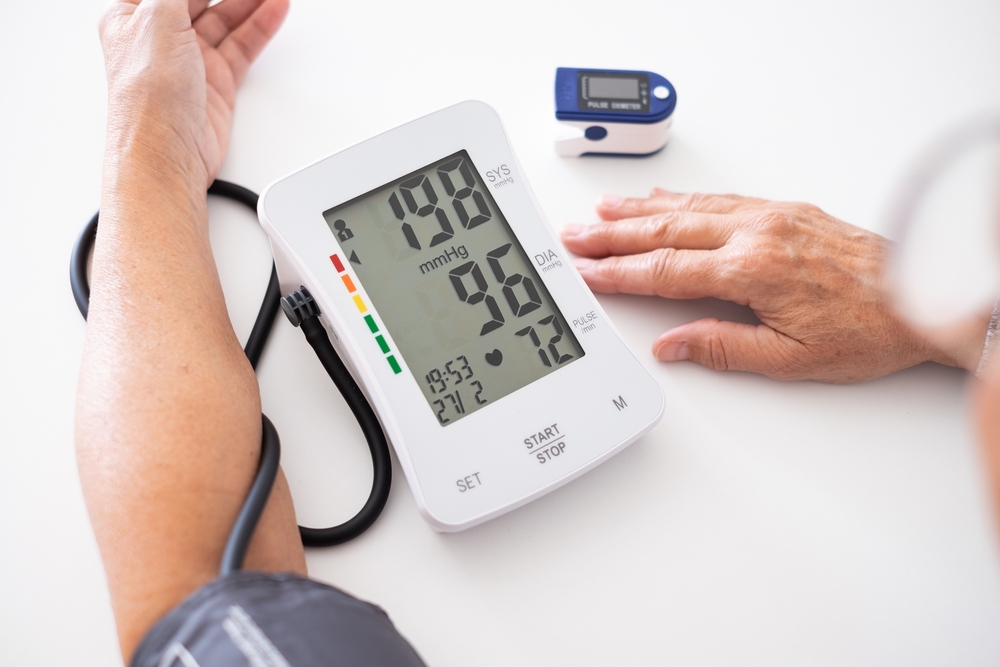
We all know the main cause of hypertensive nephropathy is hypertension. Let us understand what factors can increase your risk of kidney damage along with high blood pressure.
Risk factor |
Details |
Uncontrolled high blood pressure |
It is the main cause. Damages the nephrons – tiny filters and kidney vessels – over time |
Diabetes |
Along with hypertension, it can cause more damage |
Family history of kidney disease |
It increases your risk of developing kidney diseases |
High sodium (salt) consumption |
In people with high blood pressure, high salt consumption strains the kidney filters |
We recommend regular checkups to detect damage early. Routine checks can help regulate blood pressure and check for kidney function.
Recognizing Symptoms: When to Seek Expert Kidney Care in Bangalore
Hypertensive nephropathy does not show any obvious symptoms in the early stages. As the kidney function declines, you can notice certain signs.
If you are noticing any of the following symptoms, consult our nephrologist at NU Hospitals:
-
Experiencing fatigue or loss of energy
-
Swelling in the legs, especially ankles and around the eyes
-
Changes in urination (colour, frequency, urgency, irritation, pain)
-
Blood in urine
-
Foamy urine (shows protein loss)
-
Uncontrolled blood pressure even after medication
-
Constant headaches or being unable to concentrate
Diagnosis at NU Hospitals: Cutting-Edge Imaging and Lab Tests for Precise Assessment
Diagnosis is not guesswork. We are equipped with cutting-edge imaging and laboratory technology. Our experts recommend a few tests to detect and confirm the diagnosis accurately.
Here are a few tests used to diagnose hypertensive nephropathy:
Test |
Purpose |
Blood Pressure Monitoring |
To identify uncontrolled and resistant hypertension |
Serum Creatinine and eGFR |
To measure kidney function and filtration rate |
Urine and albumin tests |
To detect protein leakage from the kidneys |
Ultrasound/Doppler Imaging |
To evaluate kidney size, structure and blood flow in the kidneys |
Kidney biopsy (rarely) |
To confirm the damage and extent |
We are dedicated to getting you a precise assessment at the earliest. This helps in better management of the disease and slows down kidney damage.

Comprehensive Treatment Options for Hypertensive Nephropathy
The main objectives of treating hypertensive nephropathy are:
-
Controlling blood pressure
-
Protecting remaining kidney function
-
Prevent complications
-
Slow down the kidney damage
We at NU Hospitals tailor treatment options for every patient effectively.
Strict Blood Pressure Control and Medication Management
It is the first step to control blood pressure.
To lower your BP and protect your kidneys, our experts might prescribe:
-
ACEI (ACE inhibitors) – To reduce kidney stress
-
ARBs (Angiotensin Receptor Blockers) – To reduce kidney stress
-
Calcium channel blockers – To improve blood flow and relax the blood vessels
-
Diuretics – To remove excess salt and water from the body
These medications should be taken strictly under supervision. Do not self-medicate. Visit our doctors for any diagnosis and treatment.
Lifestyle and Dietary Modifications for Kidney Protection
Lifestyle modifications along with medication help in protecting kidney function. We recommend:
-
Reduce salt intake
Excess salt can increase BP and fluid retention
-
Stay hydrated
Do not drink more or too little; drink adequate amounts of water
-
Eat kidney-friendly food
Our dietitian will help you curate a kidney-friendly meal
-
Do not consume processed and fried food
-
Be active
Exercise regularly and keep yourself active with yoga, stretching, and walking.
-
Quit smoking and alcohol consumption
They can increase the risk of kidney damage
Advanced Interventions for Progressive Kidney Disease
With advanced hypertensive nephropathy, you may acquire chronic kidney disease, and your kidneys might lose their ability to filter.
We offer advanced interventions to ensure you have a continued quality of life.
Treatment |
Purpose |
Dialysis |
Used to filter waste and extra fluid from the body.
|
Kidney Transplant |
It is a gift of life. Transplant offers a one-time, long-term solution for end-stage renal disease. |
We are one of the best and most dedicated kidney transplant hospitals in Bangalore.
Preventing Progression: Long-Term Care and Monitoring
After diagnosis, you have to maintain and monitor your condition for a long time. This helps you lead a better and healthier life.
Our doctors advise:
-
Routine kidney function tests every 3-6 months
-
Monitor blood pressure every day and consult a doctor in case of an emergency
-
Take prescribed medication
-
Get urine and protein tests periodically
-
Maintain a good lifestyle and diet habits








