 Nephrology
 Urology
 Andrology
 Fertility (IVF)
 General Nephrology
 Paediatric Nephrology
 Dialysis
 Renal (Kidney) Biopsy
 CRRT
 Peritonial Dialysis
 Robotic Surgery
 Urinary Incontinence
 Uro-Oncology
 Laparoscopic Urology
 Reconstructive Urology
 Anaesthesiology
 Radiodiagnosis
 Nutrition and Dietetics
 Pediatric and Immunization
 Cardiology
 Intensive Care Unit




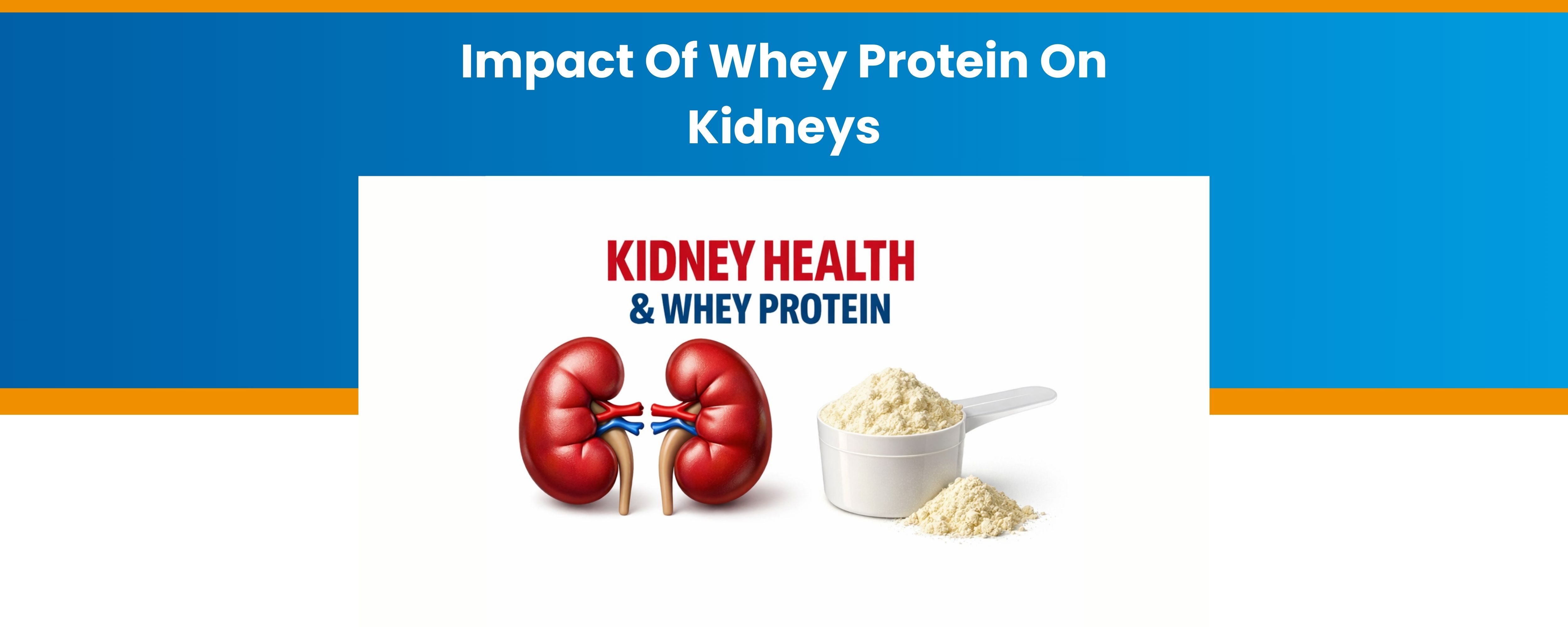
Are you on your bulking journey at the gym? Trying to increase your protein intake?
Then you must be taking protein supplements to help you meet your protein needs. Protein shakes today are quite common. They are everywhere.
The global protein supplement market is expected to reach $32.6 billion by 2030. 40% of gym-goers use protein supplements every day.
Shake it and gulp it down. It is one of the most convenient ways to meet your protein goals. But is it good for your kidneys?
Read this blog to learn more about the impact of whey protein on the kidneys.
What is Whey Protein and its Uses
Whey protein comes from milk. It is made during cheese production.
It is the liquid.
The liquid left over during cheese production is processed and dried into powder.
Whey protein is a food supplement. However, like any supplement, the dose you take matters.
Benefits of Whey Protein are:
-
Fast Absorption: It enters your bloodstream quickly.
-
Complete Protein: It contains all nine essential amino acids.
-
Muscle Synthesis: Whey protein is high in Leucine. This triggers your muscle growth.
-
Weight Management: It helps you feel full for longer periods.
-
Convenience: It is an easy way to hit daily protein targets without cooking.
Is Whey Protein Bad for Kidneys?
Whey protein is not bad for everyone. The impact of whey protein on the kidneys depends on your health. It also depends on how much you are taking.
For a healthy person, your kidneys are quite resilient.
How Kidneys Process Protein
-
Metabolic Waste: The protein breaks down into urea and nitrogen.
-
Filtration: Your kidneys then filter these waste products out of your blood.
-
Excretion: Waste is sent to your bladder to be removed as urine.
-
Workload: Eating more protein makes your kidneys work faster.
Who Should Be Cautious With Whey Protein?
Whey protein is harmful to all. However few people need to be more careful than others.
-
If you have a family history of renal failure.
-
If you have uncontrolled diabetes or hypertension.
-
If you have already been diagnosed with a risk of whey protein complications due to any existing condition.
-
Elderly individuals with naturally declining kidney filtration rates.
Why Healthy Kidneys Adapt to High Whey Protein Intake
Your kidneys are like your muscles. If you give them more work, they often adapt.
When healthy kidneys get whey protine they respond by:
-
Temporarily increasing their filtration to manage the extra protein load.
-
Adjusting blood flow to maintain balance.
-
Clearing nitrogen waste produced during protein metabolism.
Therefore, athletes and physically active people with normal kidney function do not experience a decline in kidney health.
When consumed in appropriate amounts, whey protein has no impact on kidney health in people with healthy kidneys.
Whey Protein and Chronic Kidney Disease (CKD): Who Should Avoid It?
If your kidneys are struggling, a high-protein diet is like throwing gasoline on a fire.
The Risk of Whey Protein for Pre-Existing Renal Conditions
-
Damaged kidneys can't clear protein waste effectively.
-
High protein intake raises pressure inside your filtering units.
-
High protein can speed up the progression of CKD.
-
Doctors often put CKD patients on low-protein diets.
Does Whey Protein Cause Kidney Stones?
This is a common fear. Several people believe that whey protein causes kidney stones.
Animal Protein vs. Whey: Impact on Urinary Oxalate Excretion
-
Acidity: High animal protein intake can make your urine more acidic.
-
Calcium Loss: Acidic urine may cause your body to pull calcium from bones.
-
Oxalate Levels: High protein can increase the excretion of oxalates and uric acid.
-
The Verdict: While whey is derived from an animal product, it is lower in purines than red meat.
-
Hydration Factor: Most "whey-related" stones are usually caused by dehydration, not the powder itself.
Hence, protein and chronic kidney disease must be managed carefully.
5 Key Biomarkers to Monitor Kidney Health on a High-Protein Diet
If you are on a high-protein diet, keep an eye on these lab reports:
1. Serum Creatinine
Serum creatinine helps to measure the waste buildup in your blood.
2. GFR (Glomerular Filtration Rate)
GFR is the overall measure of kidney function.
3. BUN (Blood Urea Nitrogen)
Directly reflects protein metabolism.
4. Albumin-to-Creatinine Ratio (ACR)
ACR checks for protein leaking into your urine.
5. Uric Acid
High levels of uric acid can indicate a risk of whey protein side effects, such as stones or gout.
How to Protect Your Kidneys While Using Whey Protein Supplements
You can have your gains and protect your health, too. Protect your kidneys with these simple rules.
Tips for Safe Whey Protein Consumption
-
Hydrate: Drink an adequate amount of water every day.
-
Balance with Fiber: High protein can cause constipation; eat your veggies to add fiber to your diet.
-
Don't Overdose: Stick to a safe amount of whey protein every day.
-
Avoid Additives: Avoid powders with excessive artificial sweeteners.
-
Get Regular Checkups: Go for a blood test once a year. It will help to give you peace of mind.
Protect your Kidneys
Trying to meet your protein intake? Thinking about taking whey protein?
For most healthy people, whey protein is a safe and effective source of high-quality protein. However, higher protein intake always goes hand in hand with adequate hydration and mindful consumption.
The effect of whey protein on your kidneys depends on your overall health, lifestyle, and existing medical conditions. Listen to your body if something feels “off,” don’t ignore it. Blood and urine tests can help to prevent long-term issues.
You must remember your health is more than just your big biceps. It is how your body functions.
At NU Hospitals, our expert nephrologists and urologists specialise in kidney health and preventive care. If you have doubts about your protein intake, fitness supplements, or kidney function, visit NU Hospitals for a comprehensive kidney evaluation and expert guidance tailored to your lifestyle.








