 Nephrology
 Urology
 Andrology
 Fertility (IVF)
 General Nephrology
 Paediatric Nephrology
 Dialysis
 Renal (Kidney) Biopsy
 CRRT
 Peritonial Dialysis
 Robotic Surgery
 Urinary Incontinence
 Uro-Oncology
 Laparoscopic Urology
 Reconstructive Urology
 Anaesthesiology
 Radiodiagnosis
 Nutrition and Dietetics
 Pediatric and Immunization
 Cardiology
 Intensive Care Unit





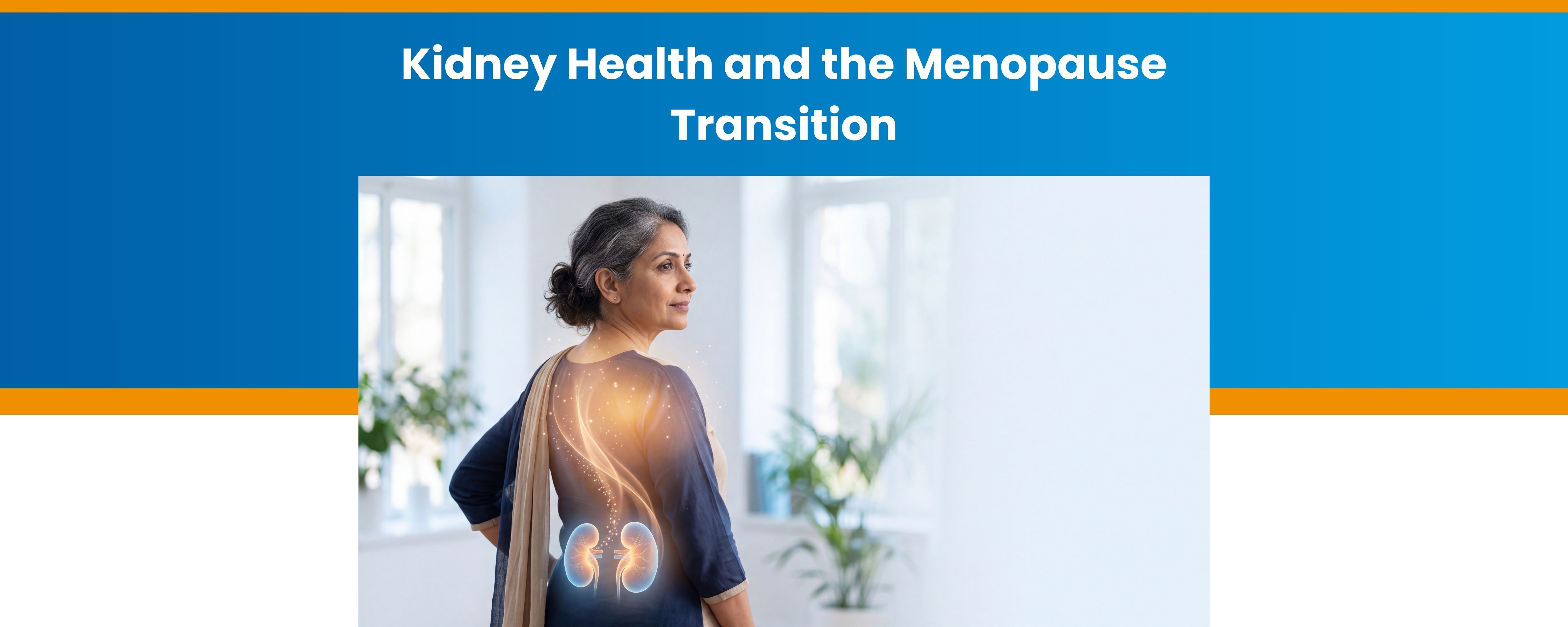
Are you navigating through menopause? You must already be dealing with hot flashes, mood swings, and other problems. But that is not all.
These changes in your body also impact your kidneys.
When we think of menopause, we usually think about periods stopping or sudden heat waves at odd hours. But inside your body, a lot more is happening quietly. Your hormones, especially estrogen, are shifting. This can directly affect menopause and kidney function.
Estrogen helps to keep your blood vessels healthy, supports fluid balance, and plays a role in how your kidneys filter waste. When estrogen levels drop, this can be reduced. This is the connection between estrogen and renal health.
You may start experiencing changes such as feeling more bloated, slight swelling in your feet, changes in how often you urinate, and frequent urinary infections
These may seem like minor issues. But over time, they can signal that your kidneys are under stress.
But with the right lifestyle changes, regular check-ups, and expert guidance, you can protect your kidney health during this phase. At NU Hospitals, Bangalore, our doctors help to navigate menopause while keeping their kidneys healthy and strong.
Follow this blog to learn more about menopause and kidney function, and postmenopausal UTIs.
What Happens to the Body During Menopause?
Hormonal Changes
Estrogen levels drop significantly in your body. This affects several organs, such as your kidneys.
Estrogen and renal health are closely linked.
The estrogen in your body helps to:
-
Maintain blood vessel flexibility
-
Support kidney filtration
-
Reduce inflammation
Without estrogen, your body’s protective shield weakens.
Impact on Metabolism and Fluid Balance
Lower hormones can change how your body handles salt. Metabolic slowing usually leads to weight gain around your abdomen. This puts pressure on your metabolic health.
These changes directly influence your menopause and kidney function.
Why Kidney Health Can Be Affected
-
Hormonal imbalance affects your kidney blood flow
-
Increased risk of high blood pressure
-
Reduced efficiency in filtering waste
-
Greater chance of kidney damage over time
How Menopause Affects Kidney Function
Your kidneys have estrogen receptors. When estrogen leaves your body, the kidneys are affected.
Changes in Blood Pressure and Kidney Filtration
-
Estrogen helps to keep your blood vessels flexible. As estrogen levels drop, blood pressure usually rises.
-
This shift impacts menopause and kidney function by increasing the workload on your kidneys.
Increased Risk of Chronic Kidney Disease (CKD)
-
Postmenopausal women have a higher risk of developing CKD.
-
The decline is often slow. It means you might not feel it until your kidneys are struggling.
Role of Hormones in Kidney Protection
-
Research shows that estrogen helps to prevent scarring (fibrosis) in your kidney tissues.
-
The loss of this hormone makes your kidneys more prone to damage from sugar or salt or any drugs
Common Kidney-Related Issues After Menopause
Higher Risk of Urinary Tract Infections (UTIs)
Reduced estrogen weakens your urinary tract lining. This leads to frequent infections. Also known as postmenopausal UTIs.
Kidney Stones and Calcium Imbalance
Menopause affects your bone health in CKD and overall bone density, calcium often leaches out of bones. This excess calcium ends up in your urine, forming painful stones.
Fluid Retention and Swelling
Hormonal fluctuations cause your body to hold onto more water and salt. If you notice your rings are tighter or your socks leave persistent marks, your kidneys might be struggling to balance fluids.
Hypertension and Kidney Strain
Your blood pressure rises post-menopause. This leads to long-term kidney strain. It is a key factor affecting menopause and kidney function.
Symptoms Women Should Not Ignore
Changes in Urination Patterns
-
Too frequent or too little urine
-
Foamy urine usually means protein loss
-
Pain during urination
Swelling in Legs or Face
-
Swelling in your hands and feet can be a sign of fluid imbalance
-
This could indicate kidney dysfunction
Fatigue and High Blood Pressure
-
Constant tiredness
-
Uncontrolled BP
-
These signs are usually linked to kidney issues
Recurrent Urinary Infections
-
Frequent infections are a warning sign
-
It is commonly noticed in postmenopausal UTIs
How Kidney Health Is Evaluated at NU Hospitals, Bangalore
At NU Hospitals, our doctors help to give you a proper diagnosis for your condition. They make sure of it with the help of several tests such as:
Kidney Function Blood Tests (Creatinine, eGFR)
-
This test helps to measure how well your kidneys filter waste
-
This helps to detect early dysfunction
Urine Analysis and Protein Testing
The urine analysis helps to check for:
-
Infection
-
Protein leakage
-
Blood in urine
Ultrasound and Imaging
The ultrasound and imaging test helps to detect
-
Kidney stones
-
Structural issues
-
Blockages
Preventing Kidney Problems During and After Menopause
Follow these tips to know how to prevent kidney problems during and after your menopause:
Maintaining Healthy Blood Pressure and Sugar Levels
-
Keep your BP under control
-
Monitor your blood sugar regularly
-
This helps to reduce the risk of CKD
Diet Tips for Kidney Health
-
Reduce your salt intake
-
Maintain a balanced calcium diet
-
Avoid excess processed foods
Staying Hydrated and Physically Active
-
Drink adequate amount of water everyday
-
Exercise every day. This helps to flush toxins out of your body.
Regular Health Check-Ups
-
Go for annual kidney screening especially after menopause
-
This helps to track your menopause and kidney function
Treatment and Management Options
The treatment for your condition will depend on your condition.
Managing CKD and Hypertension
-
Medications for BP control
-
Lifestyle changes
-
Regular monitoring
Treating UTIs and Kidney Stones
-
Antibiotics for infections
-
Drink adequate amount of water
-
Treatment as required
-
These treatments are important for managing postmenopausal UTIs
Hormonal and Lifestyle Interventions
-
Hormone therapy may help. HRT can help however, it must be customized based on your family history and health.
-
Always consult specialists for proper treatment.
Women’s Kidney Care at NU Hospitals, Bangalore
NU Hospitals, Bangalore, women’s kidney care is designed with their unique needs in mind. With experienced doctors, tests, and personalised care, we focus on the right treatment.
At NU Hospitals, you get:
-
Specialized Nephrology for Women
-
Integrated Care with Gynecology Experts
-
Preventive Screening Programs







