 Nephrology
 Urology
 Andrology
 Fertility (IVF)
 General Nephrology
 Paediatric Nephrology
 Dialysis
 Renal (Kidney) Biopsy
 CRRT
 Peritonial Dialysis
 Robotic Surgery
 Urinary Incontinence
 Uro-Oncology
 Laparoscopic Urology
 Reconstructive Urology
 Anaesthesiology
 Radiodiagnosis
 Nutrition and Dietetics
 Pediatric and Immunization
 Cardiology
 Intensive Care Unit




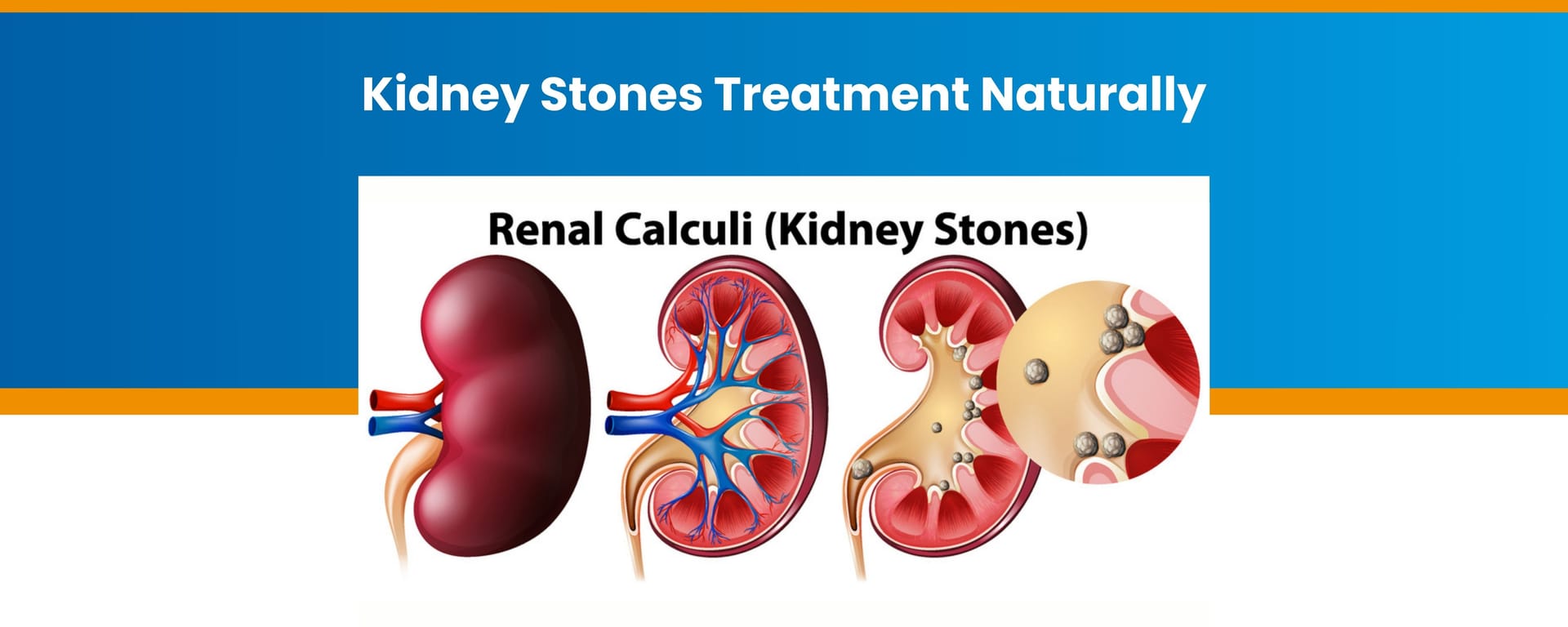
If you’ve had a kidney stone, you know how overwhelming the pain can be, and it’s natural to want to prevent another. These stones are more common in men, and recurrence can occur in nearly half of cases within 10–15 years without treatment. Here’s a detailed guide on “What are kidney stones and causes?”, so you understand why they form and how to prevent them.
What Are Kidney Stones?
A kidney stone is a solid mass that forms when crystals build up in the urine. These stones can be incredibly tiny, like a grain of sand, or grow large enough to resemble a golf ball. If you’re wondering where do kidney stones come from, it’s usually due to a combination of dehydration, dietary factors, and genetics.
While some remain inside the kidney, many travel through the urinary tract. If the stone is small, you might never feel it pass through your system. Larger stones, however, can cause intense pain and may block urine flow, leading to pressure and harmful backups.
The most common type is the calcium oxalate stone. Calcium naturally binds to oxalate in the stomach and intestines, helping both substances leave the body safely. But when calcium and oxalate meet inside the urine, especially when you're not drinking enough water, they can form stones. Low fluid levels make the urine more concentrated, increasing the risk that these crystals stick together and form kidney stones.
What are the Symptoms?
If kidney stones have troubled you before, you may notice familiar symptoms:
-
Back or side pain
-
Nausea
-
Vomiting
-
Blood in urine
-
Constant need to urinate
-
Fever
-
Chills
What are the Risk Factors?
Kidney stones don’t stem from one cause, but some factors raise your chances:
-
Obesity
-
Dehydration
-
High-protein or high-salt diet
-
Genetics
How to Treat Kidney Stones at Home
Here are some effective natural remedies for kidney stones that can prevent recurrence and ease the passage of smaller stones.
-
Hydration
Keeping your body hydrated supports natural cleansing. Diluted urine prevents crystallisation, which leads to kidney stones, a benefit repeatedly backed by research.
When your urine contains fewer concentrated minerals, you’re less likely to develop crystals that eventually form stones. Increasing your daily fluid intake also increases urination, helping flush out stone-forming substances. People at risk or who have had kidney stones before are usually advised to aim for 8–12 glasses(2 to 2.5 Lit) of water per day. Again, it depends on your age, comorbidities, physical activity and body weight Best is to meet your Urologist to know your ideal daily fluid intake.
Hydrate well, as your body uses that fluid power to break up smaller stones and move them out. Try mixing things up with coffee, tea, refreshing lemon water, or a warm, light broth.
However, sugary drinks and sodas should be avoided because they can promote mineral buildup. Making hydration a daily habit is one of the easiest natural ways to protect your kidneys.
-
Eat more citrus fruits
Fruits such as amla, oranges, and lemons provide citrate, which has been shown to prevent kidney stones and help break down existing ones. This benefit applies only to natural Vitamin C sources. Research suggests that artificial Vitamin C supplements may increase the risk of kidney stones. Natural citrus fruits, on the other hand, lower the risk. The final takeaway: always go natural. Fresh fruits deliver the safest and most effective form of Vitamin C for kidney health.
-
Apple Cider Vinegar
A lot of people swear by apple cider vinegar for kidney stones. Its acetic acid may help break down stones and provide some relief from pain. It’s also known to support natural kidney flushing, making it easier to pass tiny kidney stones. To try it, mix one or two teaspoons of apple cider vinegar in water. Drink a little before meals and sip the rest throughout your day. It’s a simple routine that may help your body manage stones more comfortably.
-
Basil
The acetic acid in basil may help break stones down and relieve some pain. It’s also great for calming digestive and inflammatory issues. You can chew basil leaves daily or dry and powder them to drink with warm water like a light tea. Just remember, basil shouldn’t be taken for more than 6 weeks at a time because it may cause low blood pressure, low blood sugar, or even an increased risk of bleeding. A little goes a long way.
-
Dietary Changes
Most kidney stones can be prevented simply by adjusting your diet. When people look into home treatments for kidney stones, one of the first things they’re told is to avoid high-oxalate foods like nuts, spinach, and beets. These foods can increase the chances of certain stones forming. It also helps reduce salt intake, since too much sodium can push more calcium into your urine and contribute to stone development. On the flip side, eating more calcium-rich foods (not supplements) is actually beneficial. Calcium binds with oxalates in the gut so they can’t reach the kidneys. You’ll also want to cut back on animal proteins, such as red meat, and shellfish, to reduce the risk of uric acid stones. With consistent dietary tweaks, stone prevention becomes much more manageable.
-
Reduce Salt Intake
Salt overload causes your kidneys to excrete more calcium into the urine, which can combine with other substances to form kidney stones. Minimising intake of packaged foods, salted snacks, and pickled items is a practical step toward preventing kidney stones.
-
Take enough Magnesium
Magnesium supports many metabolic processes, and when you don’t get enough of it, calcium oxalate stones become more likely. If you love oxalate-rich foods and can’t avoid them entirely, boosting your magnesium intake can help neutralise their effect and keep stones from forming.
When to See a Doctor
Understanding the pros and cons of natural treatment helps you make informed choices. While natural remedies are beneficial, some stones still require medical intervention.
Stop and see a doctor right away if you experience:
-
Intense Pain
-
Blood in Urine
-
Difficulty Urinating
When a stone becomes too large, your doctor can intervene with targeted medication or surgical procedures. Timely care shields your kidneys from long-term damage and restores balance to your urinary system.
Conclusion
Natural remedies can help prevent kidney stones and make it easier for smaller stones to pass. Still, they have limits. Seeking medical assistance when needed is essential for safety and effectiveness. Combining natural remedies with professional care and lifestyle changes offers the most reliable way to manage kidney stones and reduce the chances of future attacks.
If you plan to include apple cider vinegar, lemon juice, or other natural medicines, consult your doctor to ensure the plan is safe and effective. By integrating natural and medical approaches, you can manage kidney stones effectively, reduce the risk of recurrent attacks, and maintain kidney health.








