 Nephrology
 Urology
 Andrology
 Fertility (IVF)
 General Nephrology
 Paediatric Nephrology
 Dialysis
 Renal (Kidney) Biopsy
 CRRT
 Peritonial Dialysis
 Robotic Surgery
 Urinary Incontinence
 Uro-Oncology
 Laparoscopic Urology
 Reconstructive Urology
 Anaesthesiology
 Radiodiagnosis
 Nutrition and Dietetics
 Pediatric and Immunization
 Cardiology
 Intensive Care Unit




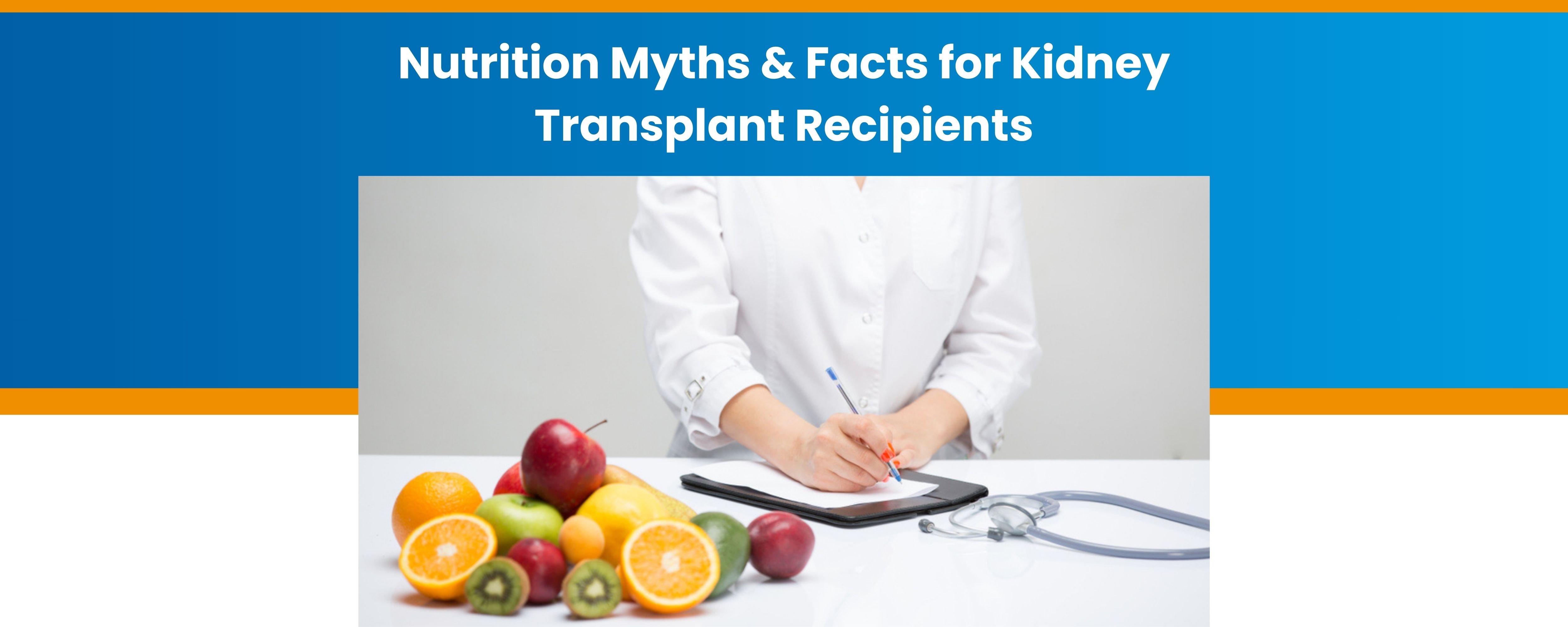
One of the first things many kidney transplant patients say during follow-up visits is, “Everyone is telling me something different about food.”
Family members worry; friends forward articles. Online searches bring up old dialysis advice mixed with transplant rules. It can quickly become confusing, and sometimes even stressful, to decide what is actually safe to eat. Understanding what truly matters in the diet after kidney transplant helps patients move away from fear and towards normal, confident eating.
How Food Habits Usually Change After Transplant
Before transplant, food choices are tightly controlled. Many patients follow strict limits on fluids, potassium, phosphorus, and protein while on dialysis. Meals are planned carefully, and eating outside is often avoided.
After a transplant, kidney function improves, and many of these limits ease. Appetite returns, and food starts tasting normal again. At the same time, new factors appear. Immunosuppressant medicines can affect weight, blood sugar, cholesterol levels, and the risk of infection.
Because of this, nutrition for kidney transplant recipients is less about restriction and more about balance. The goal is no longer to avoid most foods but to eat regularly, sensibly, and safely.
Food Myths That Often Cause Unnecessary Worry
A common myth is that once dialysis stops, food no longer matters. Another is that fruits, vegetables, or protein will harm the transplanted kidney.
In real clinical practice, problems rarely come from normal home food. They are more often linked to excess salt, sugary snacks, processed foods, or poor food hygiene. Understanding common food myths after a kidney transplant helps patients let go of rules that no longer apply.
Myths |
Facts |
Protein powders and supplements |
Some people still need them for a while, especially if their appetite is poor or recovery is slow. Others don’t. This is usually decided after seeing how normal meals are going and checking reports. |
Eating without restrictions |
Food choices are more open after transplant, but that doesn’t mean everything suits everyone. Regular meals and moderation tend to work better than extremes. |
Packaged or “health” foods |
Many ready-made foods look healthy on the label but contain more salt or additives than expected. Simple home cooking is often easier on the body. |
Protein-rich foods |
Protein supports healing and muscle strength after surgery. Intake is adjusted gradually as recovery progresses rather than removed altogether. |
Fruits and fruit intake |
Fruits are usually part of meals again. Washing well, peeling when needed, and keeping portions sensible matter more than avoiding fruit altogether. |
Curd, buttermilk, or sour items |
These are commonly tolerated and often included in daily food. They are avoided only if they cause discomfort or clash with a specific medical issue. |
Vegetables with seeds |
Foods like tomatoes or lady’s finger are usually eaten without trouble. Decisions are guided by blood values rather than the presence of seeds alone. |
Weight changes after transplant |
A gradual increase in weight is relatively common and often related to improved appetite or medication use. It is watched over time rather than treated as a warning sign on its own. |
Following a fixed diet plan |
Eating advice is adjusted over time. What works in the early months may change later, depending on kidney function, medicines, and daily routine. |
Food safety |
Basic care with food continues to matter, especially early on. Paying attention to how food is cooked and stored helps reduce infection-related problems. |
What Doctors Mean by Balanced Eating After Transplant
After a kidney transplant, balanced eating usually isn’t about following a strict diet chart or counting nutrients at every meal. In practice, doctors assess whether meals are regular, whether the body is getting enough protein to recover, and whether eating habits remain steady over time. Skipping meals, overeating late in the day, or following extreme food rules can complicate recovery. Fluids are often more flexible than before, unless there is a specific medical reason to limit them. Overall, food is meant to quietly support healing and long-term kidney health, not become a daily source of stress.
Foods That Generally Work Well and Foods That Need Some Caution
Patients usually find it easier when food advice is explained in simple, everyday terms.
Foods that tend to work well for most people:
-
Home-cooked meals are preferred because salt, oil, and hygiene are easier to control.
-
Fruits and vegetables are commonly included again, with attention to proper washing and portions guided by blood reports.
-
Protein-rich foods are included to support healing and strength, and the quantity is adjusted as the body recovers.
-
Grains and cereals are used to provide steady energy rather than quick spikes.
Foods that are not banned but need more thought:
-
Packaged snacks and fast food are better kept as occasional treats, as they are often high in salt, sugar, and unhealthy fats.
-
Raw or undercooked foods carry a higher infection risk, especially in the early months after transplant.
-
Certain fruits, such as grapefruit or pomegranate, may interfere with transplant medications and are usually discussed separately with the care team.
Looking at food this way helps patients understand what usually fits well after transplant and what simply needs extra attention, without turning meals into something to fear.
Why Food Safety Matters More Than Before
After a transplant, immunity is intentionally lowered. This is a time when being careful with food helps. Small habits often go a long way. Paying attention to how food is cooked and handled helps prevent infections. This is most relevant in the first year following a transplant.
Weight Gain, Sugar Levels, and Long-Term Health
Many patients notice gradual weight gain after transplant. Appetite improves, activity may reduce for a while, and some medicines increase hunger. Blood sugar or cholesterol levels may also rise slowly.
These shifts are not unusual after transplant and are usually manageable. Small adjustments in eating and activity often help, and routine visits help address issues before they become long-term.
Nutrition Guidance at NU Hospitals
At NU Hospitals, food advice is revisited during follow-ups rather than given once and forgotten. Nutrition guidance is adjusted based on kidney function, lab trends, medicines, and how the patient is managing day to day.
Patients are encouraged to talk openly about their eating habits and concerns. Changes are suggested gradually, with the aim of fitting into real life rather than disrupting it. This ongoing approach helps patients develop eating patterns they can maintain comfortably over time.
A Simple Way to Look at Food After Transplant
Food after a kidney transplant does not need to feel complicated. Most patients do well when they eat regular home food, follow basic hygiene practices, and avoid excess salt and heavily processed foods.
When patients understand what actually matters, it becomes easier to focus on recovery instead of holding on to old food rules. Practical post-transplant dietary guidelines are meant to bring clarity, not fear. With a few sensible precautions and regular follow-up, food usually returns to its usual place in everyday life after transplant.








