 Nephrology
 Urology
 Andrology
 Fertility (IVF)
 General Nephrology
 Paediatric Nephrology
 Dialysis
 Renal (Kidney) Biopsy
 CRRT
 Peritonial Dialysis
 Robotic Surgery
 Urinary Incontinence
 Uro-Oncology
 Laparoscopic Urology
 Reconstructive Urology
 Anaesthesiology
 Radiodiagnosis
 Nutrition and Dietetics
 Pediatric and Immunization
 Cardiology
 Intensive Care Unit





We all know that a kidney transplant is lifesaving for patients suffering from kidney failure. It lets you live free from dialysis, the constant exhaustion and a restrictive life.
But it is normal to worry about life expectancy. “How long can I live after a kidney transplant?” is the most common question every patient thinks about.
Be assured that your life will be much better after a transplant.
At NU Hospitals, we have performed over 750 kidney transplants and are committed to providing you with a better quality of life.
This blog is for everyone wondering about life after a kidney transplant.
Understanding Kidney Transplant and Its Impact on Lifespan
A kidney transplant helps replace your failed kidney with a donor kidney, offering better outcomes, extended lifespan and quality of life.
What Is a Kidney Transplant?
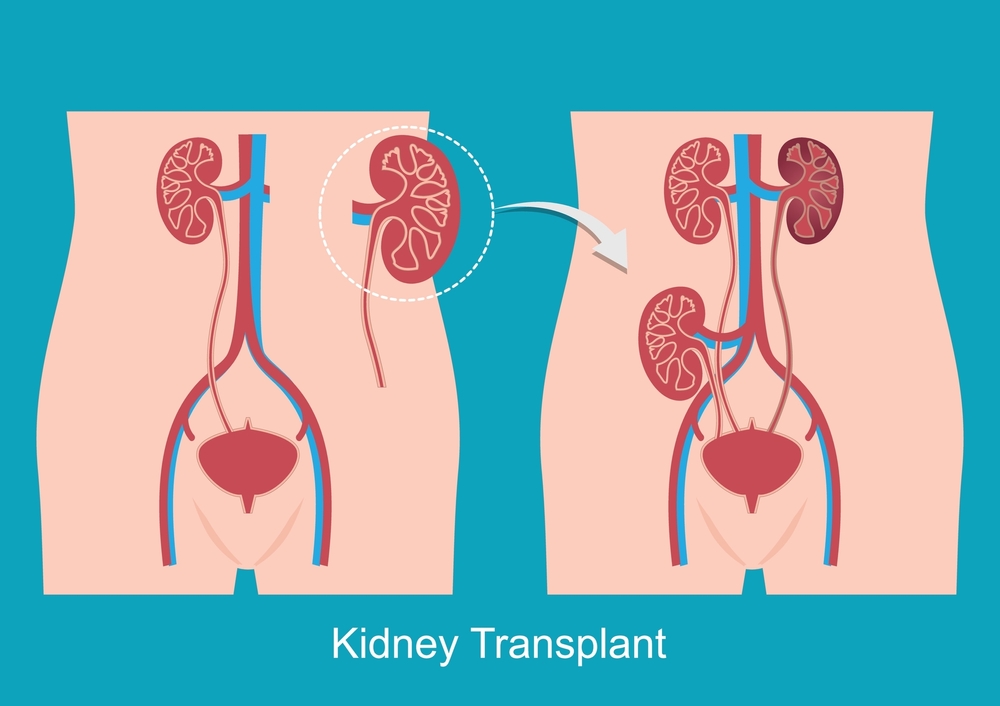
A kidney transplant is a surgical procedure where an expert urology surgeon replaces your failed kidney with a healthy one from a donor. The donor can be either living or deceased.
A living donor is typically your immediate kith and kin; it may be your spouse, children, parent or siblings.
This surgery is for patients with irreversible kidney failure to restore normal kidney function. Helps with better blood filtration, waste removal and fluid balance in the body. A transplant provides a biological kidney, which performs all the functions of a normal kidney.
How Transplant Improves Life Expectancy Compared to Dialysis
Dialysis can help with blood filtration and keep you alive. But dialysis cannot replace kidney function. It can also decrease your quality of life.
A kidney transplant is beneficial as your body continues to work better with an alternative organ. The survival rates are higher with a transplant.
Treatment type |
5-year survival |
10-year survival |
Dialysis |
35-40% |
10-20% |
Kidney Transplant |
85-90% |
60-70% |
With a transplant, not only does your lifespan increase, but also your quality of life improves. You will be more energetic and free.
What is the Average Life Expectancy After a Kidney Transplant?
On average, the life expectancy varies with the type of donor:
-
15-20 years with living donor transplants
-
10-15 years with cadaveric (deceased donor) kidney transplants.
Many patients live for 20+ years with better health. (with strict adherence to post-transplant care and living donor).
What Are the Factors Affecting Life Expectancy After a Kidney Transplant
Recovery after a kidney transplant and life expectancy are highly influenced by your lifestyle habits, overall health and age. The type of donor and medication also play a vital role.
Age and Overall Health of the Recipient
-
Younger patients experience better and longer survival of the graft (the transplanted kidney is called a graft)
-
If you are already diagnosed with certain chronic conditions like diabetes, hypertension or heart disease, it can impact your longevity.
Type of Donor: Living vs Deceased Donor
-
Living Donor
-
-
A donor from your immediate family
-
These grafts have better compatibility
-
Lower rejection risk
-
Longer life expectancy
-
-
Deceased Donor
-
-
Matched through the waiting list of the state government
-
From brain-dead or deceased individuals who have registered for organ donation
-
High chances of finding an organ
-
Lower graft survival comparatively
-
Slightly less life expectancy
-
May experience a risk of rejection
-
Medication Compliance and Immunosuppressive Therapy
Post-surgery, you will be on immunosuppressive medication. These drugs help in preventing rejection.
Missing any doses can increase rejection and reduce the lifespan of the graft.
Lifestyle Factors: Diet, Exercise, and Regular Monitoring
Choosing a better lifestyle can aid in better recovery and extend life expectancy.
-
Balanced diet
-
-
Have a balanced diet as suggested by our expert nutritionist.
-
Hydrate well
-
-
Regular exercise
-
-
Engage in light and regular exercise, like:
-
Walking
-
Yoga
-
-
Routine check-ups
-
-
Consult with your doctors regularly
-
Get prescribed tests as advised
-

Post-Transplant Care to Maximise Lifespan
Follow all instructions from our surgeons and team for a better lifespan after a kidney transplant.
Routine Health Checkups and Lab Tests
Post-transplant, you will be advised to get:
-
Weekly or biweekly lab tests in the initial recovery period
-
Blood pressure monitored
-
Kidney function tests to be done regularly
Preventing Infections and Complications
As you will be on immunosuppressants, your immune defence system is bad. Prevention is the key to reducing complications.
-
Wash hands regularly
-
Wear masks
-
Avoid crowded places
-
Get vaccinations on time
Long-Term Kidney Function Monitoring
To monitor your kidney function in the long run, we advise:
-
Regular kidney function tests
-
Check for protein leakage in urine
-
Control your BP and diabetes
What Are the Common Complications That Can Affect Lifespan?
The major complications of a transplant are graft rejection and acquired heart disease.
Rejection Episodes and How They Are Managed
A graft rejection means that your body identifies the new kidney as a foreign body and starts attacking it.
This may happen immediately or over a period of months.
Types of rejection include:
-
Acute Rejection
Occurring within a few weeks or months
-
Chronic Rejection
This happens over the years
Cardiovascular and Other Health Risks
Kidney transplant patients are at a higher risk of acquiring heart disease. Your kidneys and cardiovascular health are linked.
Making some changes in the lifestyle and continuous monitoring help in reducing the risk.
Other health risks involve:
-
Diabetes
-
Bone diseases
-
High cholesterol
-
High Blood pressure
Strategies to Minimise Complications
-
Strictly follow all prescribed medication
-
Do not miss your follow-up consultations
-
Maintain a healthy weight
-
Focus on a healthy lifestyle.
-
If you face any discomfort or fall sick, meet your doctor immediately
Why Choose NU Hospitals for Kidney Transplant in Bangalore
NU Hospitals is the #1 hospital for kidney transplants in Bangalore. Millions of patients trust us for the legacy in nephrology and urology care.
Experienced Transplant Surgeons and Advanced Facilities
-
We have expert transplant surgeons and physicians working together for every patient.
-
Our urologists and nephrologists bring decades of experience and global expertise.
-
Our hospitals are equipped with the latest tools and state-of-the-art facilities.
-
We provide customised and precise treatment to all our patients.
High Graft Survival Rates and Comprehensive Patient Support
Most of our patients are living a healthy life after the transplant. With over 750+ kidney transplants performed in Bangalore, we focus on better survival rates.
Our survival rates are equal to global standards since our first transplant in 1999.
We also provide counselling support to all our patients. We are here throughout your transplant journey, from initial tests to post-operative care.
Transparent Process and Post-Transplant Follow-Up
We believe in transparent communication throughout your transplant phase from evaluation, surgery and recovery.
We advise all our patients to get:
-
Regular lab tests
-
Lifestyle counselling
-
Medication guidance








