 Nephrology
 Urology
 Andrology
 Fertility (IVF)
 General Nephrology
 Paediatric Nephrology
 Dialysis
 Renal (Kidney) Biopsy
 CRRT
 Peritonial Dialysis
 Robotic Surgery
 Urinary Incontinence
 Uro-Oncology
 Laparoscopic Urology
 Reconstructive Urology
 Anaesthesiology
 Radiodiagnosis
 Nutrition and Dietetics
 Pediatric and Immunization
 Cardiology
 Intensive Care Unit




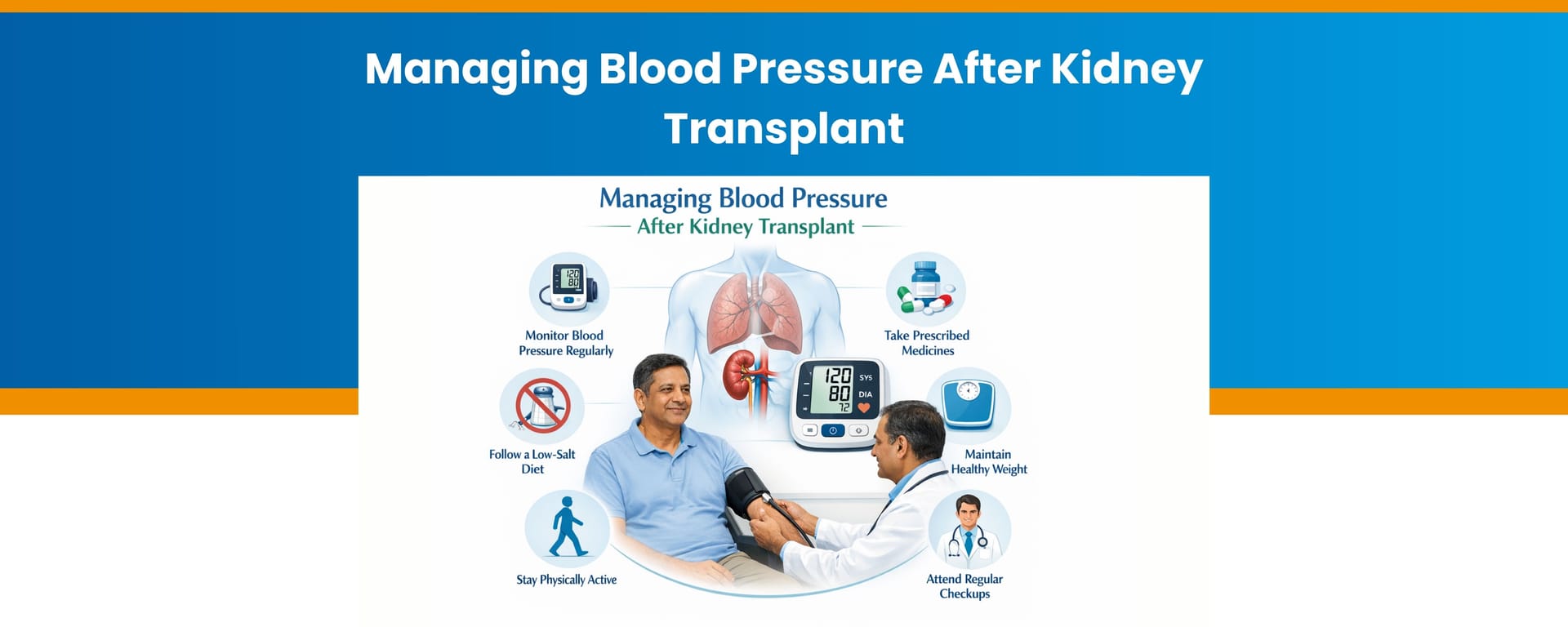
A kidney transplant is a life-saving medical procedure, but your work isn't over yet. You must take your new medical duties seriously to avoid losing the organ. High blood pressure is a common risk factor after transplant. Blood Pressure after Kidney Transplant requires constant monitoring. It’s important to not ignore it.
Uncontrolled hypertension is a silent killer that will damage your transplanted kidney and put you at severe risk of a heart attack or stroke. Every patient must urgently understand how to manage their pressure to ensure their transplant actually lasts.
Importance of Blood Pressure Control After Kidney Transplant
High blood pressure is extremely common following kidney transplantation. Studies show that a large proportion of recipients develop hypertension in kidney transplant patients within the first year after surgery. While a functioning transplant often improves blood pressure compared to advanced kidney failure, many individuals still require ongoing treatment.
Poorly controlled blood pressure can place excessive strain on the transplanted kidney, damaging delicate blood vessels over time. This can lead to reduced graft function, proteinuria (protein leakage in urine), and, in severe cases, graft failure. In addition, hypertension significantly increases the risk of heart disease and stroke, which are already more common in people with a history of kidney disease.
For these reasons, managing high BP post-transplant is considered a critical part of long-term transplant care.
Causes of High Blood Pressure After Kidney Transplant
Blood pressure after a kidney transplant depends on several overlapping factors. Your medication, past health issues, changes in kidney blood flow, and new lifestyle habits all play a part. Recognising these specific contributors explains why many patients continue to face hypertension challenges even after a successful surgery.
Controlling hypertension in kidney transplant patients is important for graft survival. You must be aware of the triggers to manage them effectively. Key contributing factors include:
-
Immunosuppressive medications are a major culprit. Calcineurin inhibitors like tacrolimus and ciclosporin prevent rejection but can cause blood vessels to constrict and the kidneys to retain salt, raising your blood pressure.
-
Steroids are another factor. Higher doses cause the body to hold fluid and put on weight, both of which are direct causes of hypertension.
- Do not assume that a new kidney will fix old problems. Pre-existing hypertension often persists if you suffered from high blood pressure for years before your transplant.
-
Mechanical issues, like transplant renal artery stenosis (narrowing of the kidney artery), can cause sudden, dangerous spikes in pressure. This requires immediate medical intervention if suspected.
-
Lifestyle choices are within your control. Post-transplant weight gain from a better appetite, combined with high salt intake and lack of exercise, will contribute to hypertension in kidney transplant patients.
Monitoring your diet and activity is not optional. It is a requirement for your long-term health.
Target Blood Pressure Levels After Kidney Transplantation
The ideal blood pressure target after a kidney transplant may vary depending on individual risk factors, age, and overall health. In general, most transplant centres aim for a blood pressure below 130/80 mmHg, especially in patients with proteinuria or diabetes.
You must monitor at home to catch dangerous trends early. Strictly following blood pressure management protocols for transplant patients is the only way to ensure your treatment is consistent. Failure to manage these levels could lead to irreversible damage to your transplanted organ.
Lifestyle Measures to Support Healthy Blood Pressure
It’s fine if you need medications for high BP post-transplant. You can still play a big part by choosing healthy habits. These simple daily steps support your treatment and provide wonderful long-term protection for your new kidney.
Key lifestyle measures include:
-
Excess salt is a primary driver of high blood pressure and fluid retention. It is important to avoid eating salty snacks and processed ready meals to protect your heart and your new kidney.
-
Weight control is a matter of survival. Rapid weight gain after surgery is common but dangerous, as it places immense strain on your blood vessels. A strict balanced diet is essential to avoid these life-threatening complications.
-
Do not neglect physical activity once you are cleared. Regular walking or swimming is vital to keep your cardiovascular system from failing under the pressure of your medications.
-
Stop smoking immediately and limit alcohol. Smoking causes irreversible damage to your arteries and significantly heightens your risk of a stroke. Alcohol can raise your pressure and stop your transplant meds from working correctly.
These changes are not optional if you want to keep your transplanted kidney functioning.
Medications To Control Blood Pressure After Kidney Transplant
Sometimes, healthy eating and exercise aren't quite enough to keep your blood pressure steady, and that’s perfectly okay. The treatment of hypertension after kidney transplant often involves a thoughtful mix of medications designed to look after both your heart and your precious new kidney.
Calcium channel blockers are a standard choice. They lower pressure and reverse the narrowing of blood vessels caused by certain transplant drugs. ACE inhibitors and ARBs are also used, primarily to protect the kidney if protein is present in the urine. Note that these require close monitoring of filtration rates. Beta-blockers are prescribed if heart issues exist, and diuretics are used specifically to clear excess salt and water.
Your team will select the best combination based on your unique needs and blood test results. Regular check-ups are key to making sure everything is working perfectly for you and your gift.
Monitoring and Long-Term Follow-Up
Managing your blood pressure is a lifelong battle to save your kidneys. You cannot afford to miss clinic visits where your kidney function and medication safety are assessed. Blood tests are your early warning system against electrolyte imbalances and organ damage.
Home monitoring is a critical defence. Failing to record your readings could mean you miss dangerous spikes that threaten your life. Adhering to prescribed treatment is critical. Missing doses of blood pressure medication or immunosuppressive drugs can have serious consequences. Patients should never stop or adjust medication without consulting their transplant team.
Special Situations & Complications
Some recipients face stubborn hypertension despite using multiple drugs. If this happens, you must undergo further tests to rule out serious issues like artery narrowing or drug side effects.
Be aware that infections and rejection episodes will impact your readings. You must maintain constant contact with your transplant team, as your treatment will likely need temporary changes during these complications. Pregnancy is a high-stakes period for your blood pressure. It can affect both mother and child, so you must seek specialist obstetric and renal care to manage the risks properly.
Conclusion
Your blood pressure is one of the most important factors for your kidneys’ survival. High pressure is a common threat, but you must detect it early. Without consistent follow-up and treatment, you risk permanent damage to your new organ.
Management requires a blend of lifestyle changes, medication, and monitoring. Treatment is always individualised, following established protocols while considering personal risk factors. You must work with your transplant team. By taking an active, urgent role in your own care, you can prevent cardiovascular failure, save your kidneys, and stop your transplant from failing prematurely.








