 Nephrology
 Urology
 Andrology
 Fertility (IVF)
 General Nephrology
 Paediatric Nephrology
 Dialysis
 Renal (Kidney) Biopsy
 CRRT
 Peritonial Dialysis
 Robotic Surgery
 Urinary Incontinence
 Uro-Oncology
 Laparoscopic Urology
 Reconstructive Urology
 Anaesthesiology
 Radiodiagnosis
 Nutrition and Dietetics
 Pediatric and Immunization
 Cardiology
 Intensive Care Unit




Did you recently get your blood tested? Did it indicate high creatinine levels?
Creatinine is a waste product. Your muscles make it, and your kidneys clear it out. When your creatinine blood test shows a level that is too high, it is a silent alarm. It means your kidneys aren't filtering waste as efficiently as they should be.
Don’t worry! It is not the end of the world.
It is time that you act. Your kidneys are your body’s filtration system.
At NU Hospitals, Bangalore, we are a leading kidney and urinary care hospital. We offer you advanced tests, personalised kidney care, and experienced nephrologists who guide you at every step.
Your kidneys are precious. We treat them with care.
Follow through this blog to learn more about high creatinine, what causes it, natural remedies, diet tips, and when you need to see a doctor.
What Are Creatinine Levels & Why Do They Matter?
Creatinine is a waste product. Your muscles make creatinine, and your blood carries it to your kidneys to remove it.
When the kidneys are not filtering efficiently, creatinine builds up in your bloodstream.
A routine creatinine blood test is usually enough to detect any creatinine imbalance early. High Creatinine Levels usually mean your kidneys are under stress or have impaired kidney function.
What Causes High Creatinine?
Understanding the high creatinine causes for you is the first step in fixing the problem. This also helps your doctor give you proper treatment.
Causes of High Creatinine
-
Kidney Issues
This is a major problem. Conditions such as Chronic Kidney Disease (CKD), acute kidney injury (AKI), or glomerulonephritis (kidney filter inflammation) impair your kidneys’ ability to filter properly.
-
Dehydration
Not drinking enough water can concentrate the creatinine in your blood.
-
High Protein Intake
Taking large amounts of meat or protein supplements can temporarily boost your creatinine level.
-
Intense Exercise
Doing stressful workouts can cause greater muscle breakdown. This can also raise your creatinine levels.
-
Certain Medications
Some drugs, such as NSAIDs or particular antibiotics, can affect your kidney function.
-
Underlying Diseases
Uncontrolled high blood pressure and diabetes are the leading causes of long-term kidney damage.
Early Signs of Kidney Stress
Usually, your kidneys struggle silently before you feel sick. Recognizing these high creatinine symptoms early is very important for your treatment.
-
Swelling
Puffy hands, feet, ankles, or swelling around the eyes, especially in the morning. This can be due to fluid retention.
-
Fatigue and Weakness
Your kidneys help to make red blood cells, so any damage can lead to anemia. This can make you feel constantly tired.
-
Changes in Urination
The urge to urinate more often, especially at night, or foamy urine.
-
Shortness of Breath
Excess fluid buildup in the lungs can cause you to have shortness of breath.
-
Confusion or Brain Fog
Waste products accumulate in the bloodstream. This can often lead to confusion or brain fog.
-
Loss of Appetite, Nausea, or Vomiting
Loss of appetite, nausea, or vomiting can happen due to the buildup of toxins.
-
Itching or Dry Skin
Itchy and dry skin can be caused due to waste products circulating in your blood.
How to Reduce Creatinine Naturally
The strategy to manage your creatinine levels is to support your kidneys. Make these lifestyle adjustments to make a difference.
1. Hydration Tips
Proper hydration is very important. Dehydration can often give you a high creatinine reading.
-
Drink Smartly: Water is best for you. Avoid sugary drinks and excessive caffeine.
-
Monitor Urine Color: Pale yellow urine is the goal. Darker yellow or amber means you need to drink more water.
-
If you already have kidney disease, your doctor may have suggested to limit your fluid intake. Always follow your doctor's fluid restriction guidance.
2. Diet Changes: Foods to Eat/Avoid
Diet is one of the best ways to make a change. Reduce the load on your kidneys; this can help reduce your high creatinine level.
Foods That Help Lower Creatinine
Food group |
Food item |
High-Fiber Foods |
Fruits, vegetables, and whole grains support your overall health |
Antioxidant-Rich Foods |
Berries, leafy greens, and colorful vegetables help to fight inflammation |
Foods to Avoid
Food group |
Food item |
High Protein |
Red meat and dairy, especially if your creatinine levels are very high |
Excess Salt |
Avoid processed, canned, and fast foods. |
High Potassium Foods |
Bananas, potatoes, and tomatoes. |
Phosphorus-Rich Foods |
Dairy, nuts, and soft drinks |
Lifestyle Modifications
Small daily changes in your lifestyle can be very impactful.
-
Manage Blood Pressure & Diabetes
This is very important. High blood pressure and blood sugar are the enemies of your kidneys.
-
Quit Smoking
Smoking speeds up kidney damage. Therefore, it is best to stop at the earliest.
-
Moderate Exercise
Regular, moderate activity is good for your body. However, you must avoid intense workouts and weightlifting right before your creatinine blood test.
When to Visit a Doctor for High Creatinine
A single report of high creatinine does not mean your kidneys are failing. However, this means you must consult a doctor, especially a Nephrologist (kidney specialist).
When to Worry About Creatinine Levels
-
If you see any rapid increase from your baseline creatinine level.
-
If your high creatinine levels remain elevated after addressing dehydration and diet.
-
If you have severe swelling, shortness of breath, or feel extremely weak.
-
If your creatinine level is 1.5 mg/dL or higher (especially for a woman or someone with low muscle mass).
-
If your creatinine level is 1.7 mg/dL or higher. This can suggest your kidney function is compromised and needs immediate attention.
What is a Normal Creatinine Level?
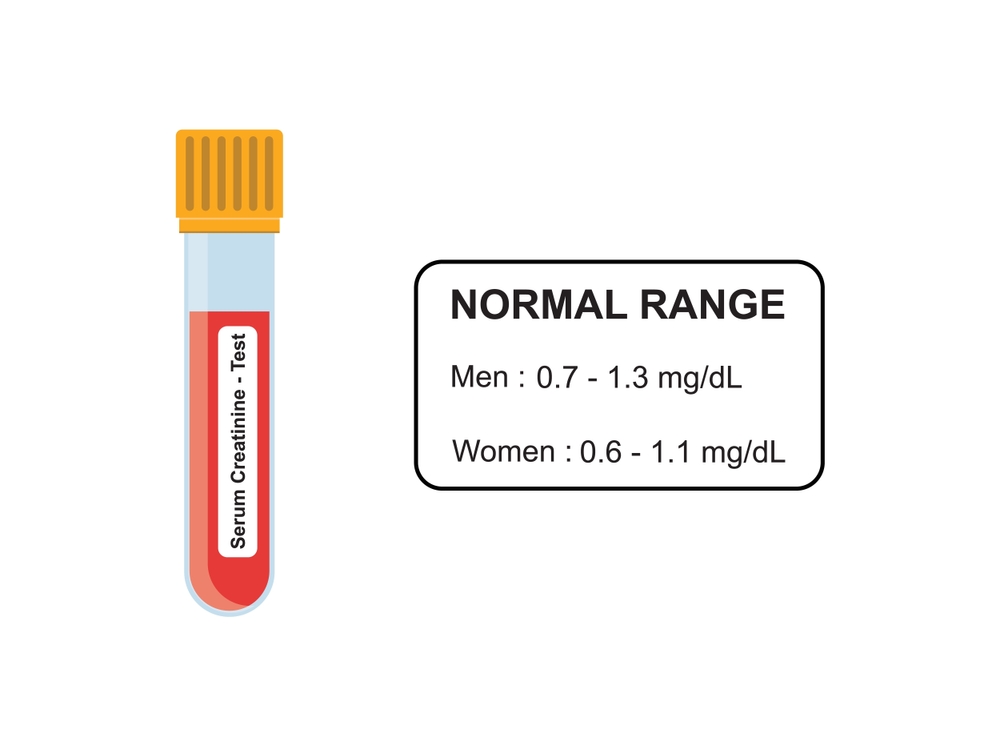
Creatinine levels are reported in milligrams per deciliter (mg/dL). Normal ranges can vary based on your age and muscle mass.
Age Group |
Male (mg/dL) |
Female (mg/dL) |
Newborns (0-28 days) |
0.3 - 1.2 |
0.3 - 1.2 |
Infants (1 month - 1 year) |
0.2 - 0.4 |
0.2 - 0.4 |
Children (1-12 years) |
0.3 - 0.7 |
0.3 - 0.7 |
Adolescents (13-18 years) |
0.5 - 1.0 |
0.5 - 1.0 |
Adults (18-40 years) |
0.6 - 1.2 |
0.5 - 1.1 |
Adults (41-60 years) |
0.6 - 1.3 |
0.5 - 1.2 |
Adults (61+ years) |
0.7 - 1.3 |
0.5 - 1.2 |
Protect your Kidneys
Did you find out high creatinine levels in your latest blood reports? Don't wait for your symptoms to become severe.
NU Hospitals is India’s leading centre for kidney and urinary health. Our specialists help you understand why your creatinine is high and what it means for your body.
We also create a customised treatment plan, track your progress, and provide complete support, such as diet, lifestyle, medicines, and preventive guidance.
Your kidney health is our priority, and we’re here to walk with you at every step.








