 Nephrology
 Urology
 Andrology
 Fertility (IVF)
 General Nephrology
 Paediatric Nephrology
 Dialysis
 Renal (Kidney) Biopsy
 CRRT
 Peritonial Dialysis
 Robotic Surgery
 Urinary Incontinence
 Uro-Oncology
 Laparoscopic Urology
 Reconstructive Urology
 Anaesthesiology
 Radiodiagnosis
 Nutrition and Dietetics
 Pediatric and Immunization
 Cardiology
 Intensive Care Unit





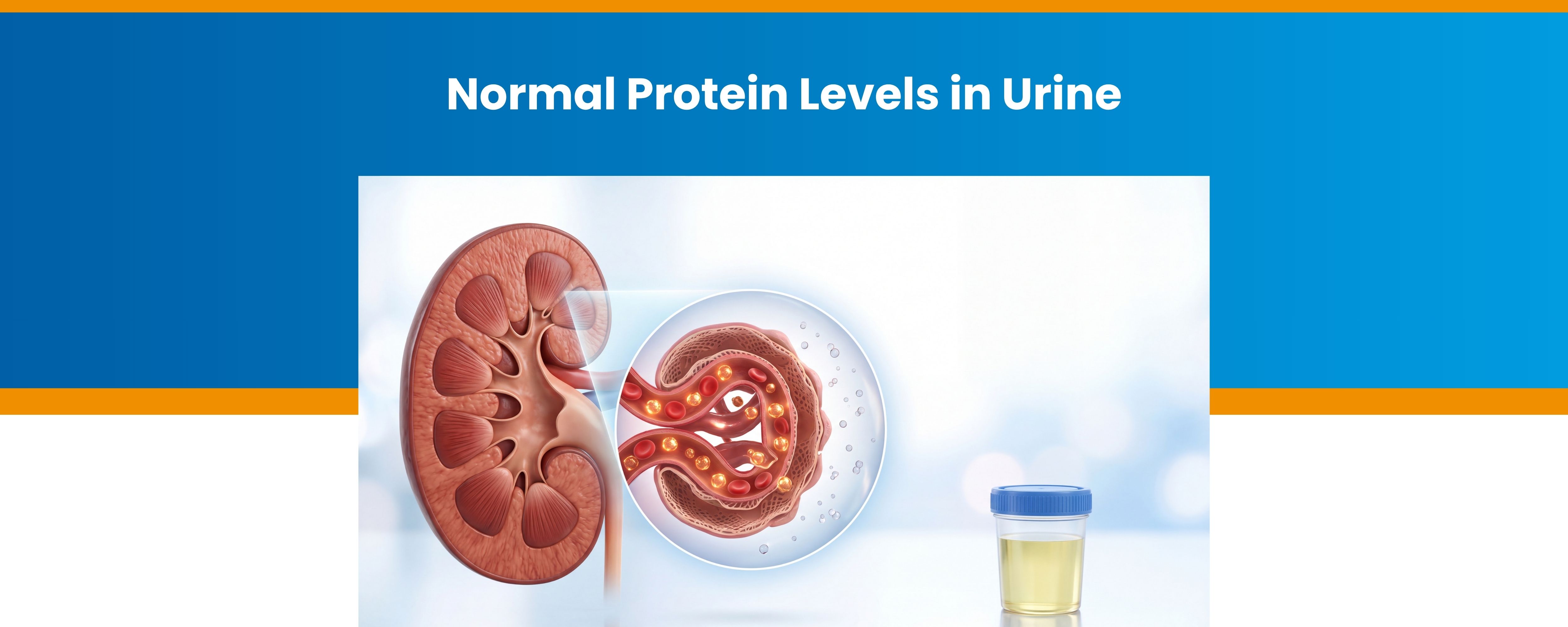
What Is Protein in Urine (Proteinuria)?
Proteinuria is the presence of abnormal levels of protein in urine.
Why Healthy Kidneys Prevent Protein Loss
Healthy kidneys contain millions of tiny filters. They remove excess water and waste products through urine while keeping needed substances, such as proteins, in the body. But if these filters are damaged, proteins like albumin leak into the urine.
What Does Protein in Urine Indicate?
Persistent proteinuria can often indicate health conditions like:
-
Chronic kidney disease
-
Diabetes-related kidney disease
-
High blood pressure
-
Glomerulonephritis
-
Autoimmune disorders like lupus and rheumatoid arthritis
Is Protein in Urine Always a Sign of Kidney Disease?
Strenuous exercise, high fever, dehydration, or even severe emotional stress may cause temporary proteinuria. It will go away when the underlying cause improves. But if urine tests repeatedly show positive, then it needs medical evaluation to determine whether this is associated with kidney damage.
What Is the Normal Protein Level in Urine?
Normal Protein Levels in a Urine Dipstick Test
The urine dipstick test should ideally be negative or show only a trace amount of protein. Higher values require further testing for assessment.
Normal Protein Range in a 24-Hour Urine Test
Less than 150mg in a 24-hour urine reading is considered healthy kidney function.
Urine Albumin-to-Creatinine Ratio (uACR): Understanding the Results
If your urine albumin to creatinine ratio is less than 30 mg/g, this is normal. Moderate is anything in the 30-300 mg/g range. More than 300 mg/g causes marked kidney damage.
What Is Considered Abnormal?
Persistently high urine protein on repeat testing plus decreased kidney function or high blood pressure requires prompt medical evaluation.
What Causes High Protein Levels in Urine?
Chronic Kidney Disease (CKD)
The most common cause of abnormal amounts of protein in the urine is chronic kidney disease (CKD). It harms the kidney filters and leads to ongoing loss of protein.
Diabetes and Diabetic Kidney Disease
Diabetes can slowly damage the filtering units in the kidneys. Protein increase in the urine is a common early sign of diabetic kidney disease.
High Blood Pressure and Kidney Damage
High blood pressure puts immense pressure on the kidney’s blood vessels. It reduces the kidneys’ ability to filter and lets protein leak into the urine.
Urinary Tract Infections and Kidney Infections
Infections of the urinary tract or kidneys can temporarily raise urinary protein levels.
Temporary Causes Like Exercise, Fever and Dehydration
Proteinuria can be temporary (strenuous exercise, high fever, pregnancy, dehydration, high emotional stress). But it goes back to normal levels after recovery.
Symptoms of High Protein in Urine
Foamy or Frothy Urine
Excess protein can change the urine’s color or condition. But it is highly subjective and often can be seen in normal individuals without proteinuria as well.
Swelling in the Feet, Ankles and Face
Loss of protein reduces fluid retention in the blood vessels. This can lead to swelling in the legs, ankles, feet, and around the eyes.
Asymptomatic proteinuria
Many individuals discover proteinuria only during routine health checks. That’s why regular screening is important, especially for people with diabetes, high blood pressure, or a family history of kidney conditions.
How Protein in Urine Is Diagnosed at NU Hospitals, Bangalore?
Urine Dipstick Test
It’s a quick test that detects protein levels in urine.
Urine Albumin-to-Creatinine Ratio (uACR)
The test accurately detects early kidney damage, especially in individuals with diabetes or hypertension.
24-Hour Urine Protein Test
It accurately measures the total amount of protein eliminated in 24 hours. The test also helps assess the severity of proteinuria.
Kidney Function Tests (Creatinine & eGFR)
Blood tests for measuring serum creatinine and glomerular filtration rate (eGFR) help evaluate overall kidney function.
How to Reduce Protein in Urine?
Managing Blood Pressure and Diabetes
Maintaining blood sugar levels and managing blood pressure keeps kidneys healthy and prevents protein leakage.
Kidney-Friendly Diet and Lifestyle Changes
-
Limit excess salt consumption
-
Maintain a healthy weight
-
Hydrate your body sufficiently
-
Avoid smoking & limit alcohol consumption
-
Consume a balanced diet
-
Avoid processed foods
Medications That Help Protect Kidney Function
ACE inhibitors and ARBs can decrease proteinuria and delay the progression of chronic kidney disease.
Importance of Regular Monitoring
Periodic kidney function tests, urine tests, and blood pressure monitoring are crucial. They help detect issues early and plan effective treatment.
When Should You See a Nephrologist?
Persistent Protein in Urine
If protein levels in urine remain consistently high even after repeated tests.
Proteinuria with Swelling or High Blood Pressure
Prompt evaluation is necessary for proteinuria that is associated with edema, uncontrolled hypertension, diabetes, or declining renal function.
Early Evaluation to Prevent Kidney Damage
Early diagnosis can significantly reduce the risk of kidney damage and prevent the need for kidney transplantation or dialysis.
Expert Kidney Care at NU Hospitals, Bangalore
Comprehensive Kidney Function Assessment
It comprises urine analysis, kidney function tests, and imaging to identify the presence and cause of proteinuria.
Advanced Diagnostic Facilities
Our innovative laboratory testing and advanced diagnostic techniques enable accurate assessment and timely treatment.
Personalized Treatment for Proteinuria and Kidney Disease
We tailor treatment plans to the patient’s underlying condition and other factors. It helps preserve kidney function and enhances overall health.







