 Nephrology
 Urology
 Andrology
 Fertility (IVF)
 General Nephrology
 Paediatric Nephrology
 Dialysis
 Renal (Kidney) Biopsy
 CRRT
 Peritonial Dialysis
 Robotic Surgery
 Urinary Incontinence
 Uro-Oncology
 Laparoscopic Urology
 Reconstructive Urology
 Anaesthesiology
 Radiodiagnosis
 Nutrition and Dietetics
 Pediatric and Immunization
 Cardiology
 Intensive Care Unit




Overview
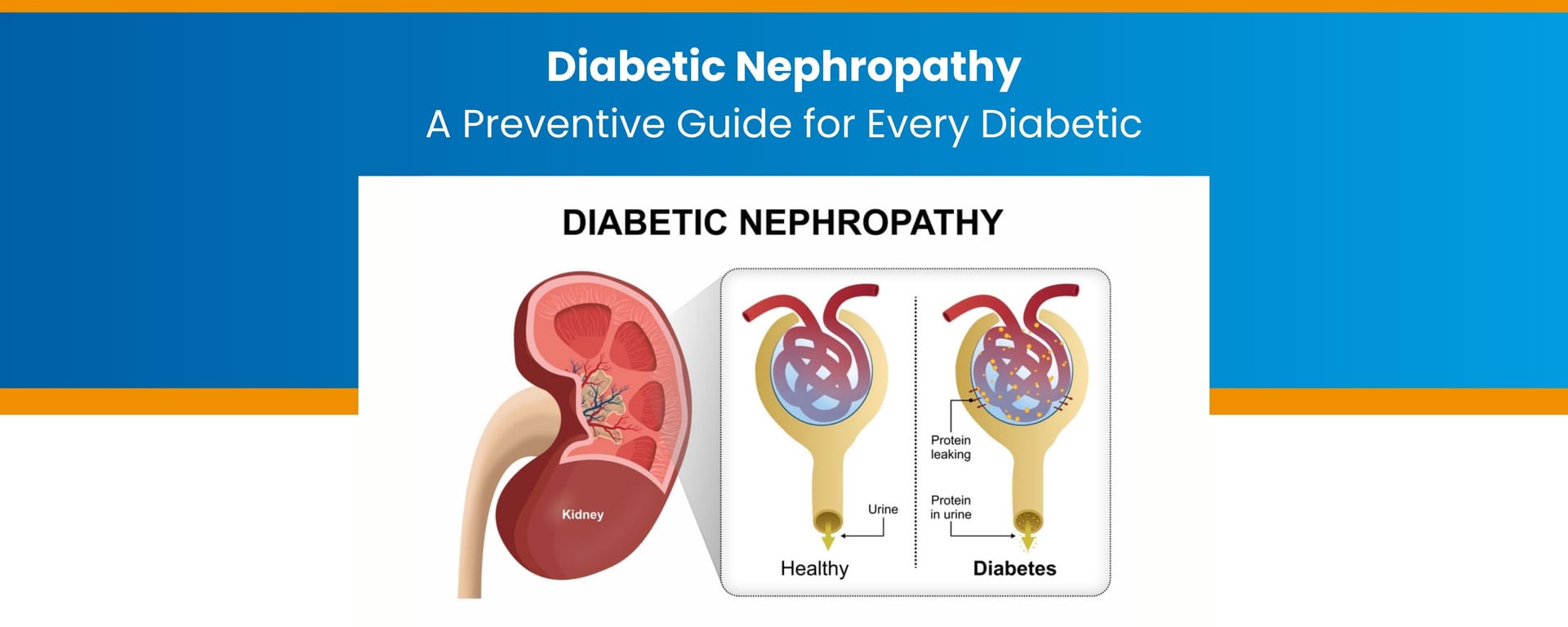
Diabetic nephropathy is a severe medical complication of Type 1 & Type 2 diabetes, also known as diabetic kidney disease. The condition affects the kidney’s normal function, preventing it from removing waste products and excess fluid builds up in the body. Hence, it is advised to take appropriate diabetic kidney disease prevention measures to reduce the risk of kidney damage.
Early treatment and prevention can slow the damage and reduce the risk of complications. If left untreated, diabetic nephropathy may eventually lead to kidney failure, which is also known as end-stage kidney disease.
What is Diabetic Nephropathy?
Diabetic nephropathy is primarily caused by elevated blood glucose levels. Other names for the condition include diabetic kidney disease (DKD), which is a form of chronic kidney disease (CKD).
When blood glucose levels increase, they can damage the blood vessels in the kidneys, thus, weakening their structure and function. After the damage reaches a certain level, it may cause diabetic kidney disease. When the kidney is not able to filter waste efficiently, blood creatinine levels increase. If not treated or managed early, it leads to kidney failure.
What are the Early Diabetic Nephropathy Signs?
There might be little to no symptoms during the early stage of diabetic nephropathy. However, as it progresses, here are some signs and symptoms one should look for -
Signs |
What Might Indicate? |
Foamy Urine |
This may suggest protein leakage in the urine and can occur when the kidney is unable to filter out waste. |
Swelling in Feet, Ankles, Hands, or Around the Eyes |
Fluid retention can develop when the kidneys are not handling salt and water properly. |
More Frequent Urination, Especially at Night |
A change in urination can appear as kidney function starts getting affected. |
Fatigue or Weakness |
Reduced kidney efficiency and fluid imbalance can leave a person feeling unusually tired. |
Other symptoms could include-
-
Itching
-
Loss of appetite
-
Nausea and vomiting
-
Confusion or difficulty in thinking
-
High blood pressure that may be difficult to control
What May Cause the Development of Diabetic Kidney Disease?
A person is more likely to develop kidney disease if they have diabetes, and they -
-
Smoke
-
Have heart disease
-
Take a high salt diet
-
Are overweight
-
Don’t follow a diabetic diet plan
-
Have a family history of kidney failure
10 Diabetic Kidney Disease Prevention Tips
-
Keep Blood Sugar Under Control
This is one of the important ways to protect the kidneys. Persistently high glucose levels may damage the tiny blood vessels of the kidneys, making it harder for them to filter waste properly. Managing blood sugar levels helps slow the damage and lowers the risk of protein leakage into the urine. It also helps support heart, nerve, and eye health.
Managing blood sugar involves regular monitoring, medication adherence, meal planning, physical activity, and timely follow-up. Keeping blood sugar in check ensures that the kidneys do not experience stress and have a better chance of functioning properly.
-
Manage Blood Pressure Carefully
It is also important to manage blood pressure, as uncontrolled blood pressure can accelerate kidney damage. If there is extreme pressure on the blood vessels in the kidney, they become strained. Thus, reducing their capability to filter out the waste.
It is also advised to monitor blood pressure, even when there are no symptoms. Usually, doctors recommend getting proper sleep, managing weight, and reducing sodium intake.
-
Take Diabetes and BP Medicines as Prescribed
Diabetes and blood pressure medications should be taken only as prescribed. Some diabetes medicines also protect the kidneys and heart. Missing doses, not taking medicines early, or taking them irregularly can weaken their effects and hinder progress.
Medicines work best when taken on time and regularly, as prescribed. If there are any side effects, it is best to consult a doctor rather than stopping treatment without advice.
-
Get Regular Kidney Screening
Consider getting a kidney screened to detect early damage before symptoms become obvious. In diabetes, kidney disease may progress, which makes testing an important factor. Doctors usually monitor kidney health with blood and urine tests that check for albumin leakage.
A urine albumin-to-creatinine ratio is one the earliest tests that can help identify kidney injury even when filtration numbers still appear near normal. Depending on the report, the doctor may recommend microalbuminuria treatment, which focuses on using ACE inhibitors/Angiotensin receptor blockers to reduce albuminuria.
-
Maintain a Healthy Weight
Maintaining a healthy weight can help reduce the overall burden diabetes places on the kidneys. Excess weight can lead to poor blood sugar control, higher blood pressure, inflammation, and increased strain on the kidneys. Weight management also helps improve insulin sensitivity in many people, which can make diabetes easier to manage.
The best management plan includes developing portion awareness, making better food choices, engaging in regular physical activity, and following medical guidance. Healthy weight management also supports energy levels, mobility, sleep quality, and blood pressure control, all of which contribute to long-term kidney protection.
-
Follow a low Sodium Diet
It is advised to follow a low-sodium diabetic kidney diet plan for people with fluctuating blood pressure or high blood glucose levels. Too much salt in your diet can cause blood pressure to rise.
So, it is better to skip processed foods, packaged snacks, restaurant meals, pickles, instant food, etc. Instead, consume food made with fresh ingredients.
-
Exercise Regularly
Exercise regularly to control blood sugar, manage blood pressure and weight, while reducing stress. If a patient has poor metabolic and questionable vascular health, the risk of diabetic nephropathy increases.
Consider consistently walking, cycling, light strength training, and stretching. Exercise should be planned more carefully and ideally discussed with a clinician, especially if there is fatigue, swelling, cardiovascular disease, or advanced kidney impairment.
-
Avoid Unnecessary intake of Painkillers
Taking too much or unnecessary painkillers can reduce the blood flow to the kidneys, which worsens their functioning, especially in people who already have diabetes, dehydration, hypertension, or an underlying kidney condition.
Using painkillers can put the kidneys under stress, and with patients already taking blood pressure medications, diuretics. It is advised to consult a doctor before taking any pain medication.
-
Manage Stress in Healthy Ways
Emotional health directly affects diabetes, which may affect kidney risk management. Stress can disrupt sleep, eating patterns, blood sugar levels, and medication adherence, and sometimes a person may feel demotivated to exercise. If stress increases, it may lead to depression, which can make self-care an exhausting chore.
The emotional stress can indirectly increase the risk of kidney damage. It is best to consult a doctor who can help manage stress through regular counselling, physical activity, improved sleep habits, and other strategies.
How NU Hospitals Help Manage Diabetic Nephropathy?
NU Hospitals is considered the best kidney hospital in Bangalore, owing to its 25 years of expertise in the effective management of diabetic renal complications. Our team of urologists and diabetic specialists conduct comprehensive diagnostic tests to thoroughly check for high blood sugar-related kidney damage.
NU Hospitals offers diabetic kidney disease prevention techniques to patients with diabetes, long before symptoms of kidney damage appear. The medical care approach usually involves blood pressure control, diabetes management, medication review, and close monitoring.








