 Nephrology
 Urology
 Andrology
 Fertility (IVF)
 General Nephrology
 Paediatric Nephrology
 Dialysis
 Renal (Kidney) Biopsy
 CRRT
 Peritonial Dialysis
 Robotic Surgery
 Urinary Incontinence
 Uro-Oncology
 Laparoscopic Urology
 Reconstructive Urology
 Anaesthesiology
 Radiodiagnosis
 Nutrition and Dietetics
 Pediatric and Immunization
 Cardiology
 Intensive Care Unit




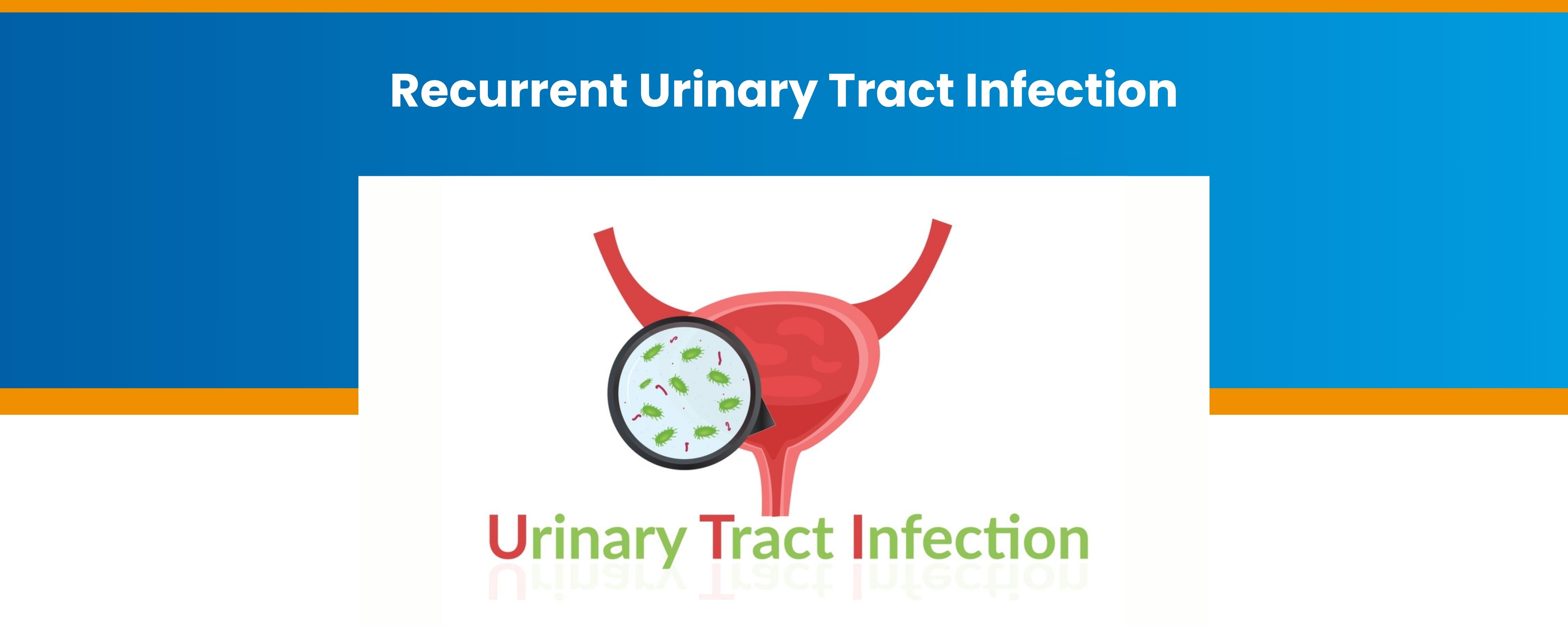
Ignoring the pattern of Recurrent Urinary Tract Infections (UTIs) is dangerous. But what are recurrent UTIs? This isn't just a minor issue; it's a chronic pattern of infections impacting your urinary system, including the kidneys, bladder, ureters, prostate, and urethra. The critical difference is that repeated infections pose a significantly more severe and enduring threat to your overall physical health than a single, isolated UTI.
While females face the highest likelihood of developing them, Recurrent UTIs are a serious threat to men and children as well. Learn what's at stake by reading further about this condition.
What is a recurrent UTI?
If your UTIs keep returning, you have a recurrent urinary tract infection (UTI), defined as two or more episodes in six months or three in one year. "Recurrent" identifies the core problem: the infection is returning.
UTIs (bladder infections) are uncomfortable and painful problems that demand a durable solution, not just temporary fixes. Repeated infections are not normal and require a specialised approach. The solution begins with knowing when to see a urologist to diagnose the underlying cause and implement a personalised, long-term preventive treatment strategy.
Types of UTIs
UTIs are serious and affect different areas. Know the types and their urgency:
-
Cystitis: A bladder infection (the most common UTI). Symptoms include urinary frequency, dysuria, and malodorous/turbid urine.
-
Urethritis: An infection right in the exit tube. You'll feel a burning sensation when you pee and may notice some discharge.
-
Pyelonephritis: A severe kidney infection, where bacteria can travel up to the kidneys. Pay attention to fever, chills, and especially pain in your back or side.
-
Prostatitis: Infection or swelling of the prostate in men. It can temporarily raise PSA results.
Symptoms of a recurrent UTI
The signs of a recurrent UTI are identical to those of a regular one. Don't ignore them.
Watch for these common symptoms:
-
Burning pain when you urinate
-
Aching right above your pelvic bone
-
Urine that is cloudy or smells foul
-
Having to pee constantly
-
Involuntary pee leakage (incontinence)
-
A sudden, urgent need to pee, but barely anything comes out
-
Bloody urine (seek immediate care!)
Recurrent UTIs (RUTIs) frequently return within a month of completing a medication regimen, sometimes cycling multiple times annually. We must rapidly explore the leading causes and risk factors of recurrent UTIs to understand why this persistence occurs.
Causes of Recurrent Urinary Infections
Some common reasons for Recurrent UTI include:
-
Lack of Correct Treatment: If you feel better and stop taking your antibiotics early, you haven't killed all the germs. The leftover germs can quickly grow and cause the UTI to return. Using the right medicine for long enough is very important.
-
Bacterial Persistence: Some germs, especially E. coli, can stick to the inner walls of your urinary tract and form a sticky layer called a biofilm. This layer is like armour, protecting the bacteria from the antibiotic, so they remain in your body.
-
Anatomical Factors: Sometimes, the shape or structure of your urinary parts causes the problem. Things like stones in your kidneys, a narrow urethra (urethral stricture), or not being able to empty your bladder completely give bacteria a good place to live and multiply.
-
Sexual Activity: Coitus, especially in women, facilitates bacterial introduction, elevating post-activity UTI risk.
-
Interventions: Procedures like catheterisation or bladder surgery can temporarily increase your risk.
-
Hormonal Changes: Changes during pregnancy or after menopause make the urinary tract more vulnerable.
Risk Factors for a Recurrent UTI
If your UTIs keep returning, these common factors might be contributing:
-
Spermicides: They can unintentionally harm the beneficial Lactobacilli in the vagina, which are essential for keeping E. coli growth in check.
-
Vaginal Barriers/Douches: These items may throw off the natural bacterial balance, creating conditions ripe for infection.
-
Post-menopause Changes: Natural changes reduce vaginal acidity and Lactobacilli, lowering your defence barrier.
-
Ageing Bladder: The risk of infection is high when weak muscles fail to empty the bladder, creating a toxic breeding ground.
-
Long-term Antibiotics: Long-term use kills your protective bacteria, leaving you wide open for a return infection.
Diagnosis
Wondering “how are recurrent UTIs diagnosed”. Here’s the answer.
Your doctor will listen to your symptoms, review your medical history, and perform a basic physical exam to determine whether what you have is recurrent UTIs.
-
Urine Tests
Clean catch urine samples are preferred; catheterisation is an option if needed. Urinalysis detects signs of infection, and urine culture identifies the bacteria causing recurrent infections.
-
Imaging and Cystoscopy
Persistent or complicated cases may require kidney ultrasounds or CT scans. A cystoscopy allows direct inspection of the bladder for abnormalities or foreign objects.
Treatment
-
Vaginal Estrogen for Postmenopausal UTIs
If you are transitioning into menopause (perimenopause) or are postmenopausal, vaginal estrogen treatment is an effective way to prevent recurrent UTIs. This estrogen is applied directly inside the vagina as a cream, tablet, or ring and not taken orally. It restores vaginal acidity by adjusting pH levels, helping reduce bacterial growth. Very little, if any, estrogen enters the bloodstream, making it safe for many people with a vagina.
-
Antibiotics for Active Infections
Dealing with an acute UTI is tough, and it requires prescription antibiotics to clear it up. If you keep getting them, your provider has options, like a low-dose, long-term prescription (three months to a year or more) to give you a break. Sometimes, a single pill right after intimacy is enough to stop the cycle, or you can take a daily low dose if infections are frequent.
-
Non-Antibiotic Treatments
Alternative approaches include cranberry supplements and methenamine hippurate, which may help prevent bacterial growth. Most people feel better within a few days, but finishing the full antibiotic course is essential to prevent recurrence.
Preventing Recurrent Urinary Tract Infections
-
Personal Hygiene and Preventive Measures
Keeping things clean down there is essential for avoiding UTIs. Using pads or incontinence products helps prevent bacteria from spreading. Ask a nephrologist for guidance.
-
Assessment and Timely Intervention
Regular evaluation for infections, abscesses, or prolapse in women and men is crucial. Early drainage improves antibiotic response.
-
Medical Management and Specialist Care
Patients with chronic illness or immunosuppression need regular check-ups. Urologist consultation for stones helps prevent recurrence. Hygiene and lifestyle adjustments are recommended for prevention.
Understanding treatment and prevention options is vital to breaking the cycle of recurrent UTIs
Conclusion
UTIs that return again and again can be disruptive, yet understanding your triggers and prevention steps can help protect your well-being. Be kind to yourself by taking proactive steps: drink water, maintain your hygiene, and don't feel ashamed to seek timely medical help. While a one-off infection isn't a crisis, if they keep happening, please reach out to a medical professional. They will find the actual cause and offer a healing solution.
Remember, investing in your urinary health today is a reliable way to maximise your long-term health and unlock lasting comfort!








