 Nephrology
 Urology
 Andrology
 Fertility (IVF)
 General Nephrology
 Paediatric Nephrology
 Dialysis
 Renal (Kidney) Biopsy
 CRRT
 Peritonial Dialysis
 Robotic Surgery
 Urinary Incontinence
 Uro-Oncology
 Laparoscopic Urology
 Reconstructive Urology
 Anaesthesiology
 Radiodiagnosis
 Nutrition and Dietetics
 Pediatric and Immunization
 Cardiology
 Intensive Care Unit




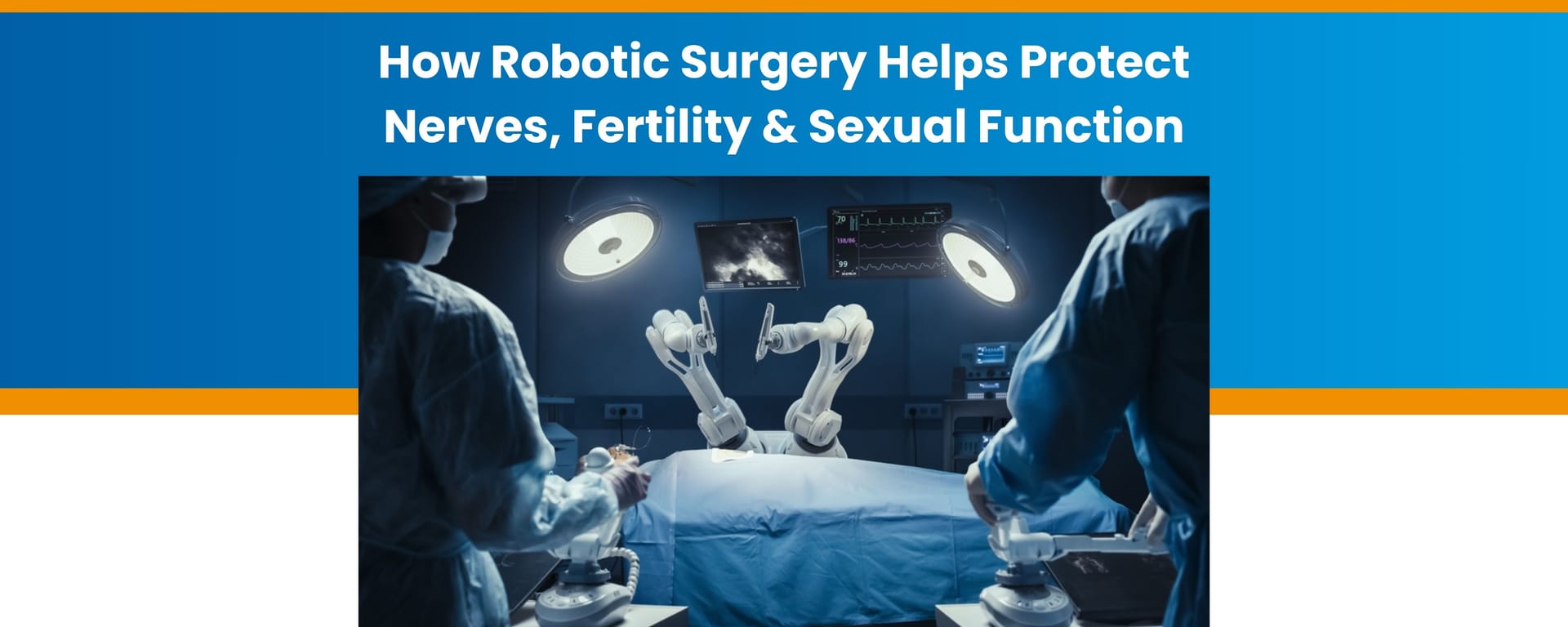
When choosing a surgical path, it is essential to consider long-term results. The benefits of robotic surgery go far beyond the immediate post-operative window. Because the robot allows for such steady, precise movements, there is less risk of accidental damage to the nerves that control vital functions. For many, this means preserving fertility and sexual health, making it a logical choice for those prioritising their long-term lifestyle and recovery.
Robotic surgery is increasingly used in urology, gynaecology, oncology, and general surgery, where vital structures such as nerves, blood vessels, and reproductive organs lie close to the diseased tissue. By enhancing surgical accuracy and control, this technology allows surgeons to treat conditions effectively while minimising unintended damage.
Understanding Robotic-Assisted Surgery
Robotic-assisted surgery is a form of minimally invasive surgery in which a surgeon operates through a console that controls robotic arms fitted with miniature surgical instruments. These instruments enter the body through small keyhole incisions. A high-definition, three-dimensional camera provides a magnified view of the surgical field, allowing the surgeon to visualise structures that are often difficult to see clearly in traditional open or laparoscopic surgery.
Unlike conventional techniques, robotic systems filter out hand tremors and offer wristed instruments with a far greater range of motion than the human hand. This enhanced dexterity is crucial when operating near sensitive areas such as neurovascular bundles, reproductive organs, and pelvic muscles.
Why Nerve Protection Matters in Surgery
Understanding surgical outcomes requires examining how nerves are handled during a procedure. Nerves manage critical tasks like bladder control and sexual response, yet they are often located in the "crossfire" during pelvic surgeries. Even a minor slip in traditional surgery can lead to chronic issues. Robotic surgery nerve preservation is a key feature of modern robotic-assisted platforms.
This technology offers a high-definition 3D view, allowing for the identification of nerves that are difficult to see with the naked eye. Because the robotic instruments are so precise, surgeons can perform "nerve-sparing" techniques that reduce the risk of burning or cutting vital pathways. This results in a higher success rate for patients hoping to maintain their physical functions post-surgery.
Robotic Surgery and Sexual Function
To understand why surgical methods matter, one must look at the anatomy of the pelvis. Nerves and blood vessels that control sexual response are located mere millimetres from the prostate and uterus. Robotic surgery and sexual function are interconnected because the robotic system enables advanced nerve-sparing techniques that are difficult to replicate in open surgery. During a radical prostatectomy, for example, the nerves responsible for erections run directly along the prostate gland. Robotic assistance allows the surgeon to identify and carefully separate these nerves from the target tissue.
Clinical results show that robotic patients often regain function more completely and faster than those having open surgery. While recovery depends on the patient's age and initial health, the robotic approach offers the best functional conditions. By decreasing tissue trauma, robotic surgery significantly lowers the risk of long-term sexual dysfunction. This advanced technology ensures that the focus remains on both curing the patient and preserving their future quality of life and personal health.
Fertility Preservation with Robotic Surgery
If you’re planning for a family, the word "surgery" can be a bit scary. We know that operations on reproductive organs can sometimes lead to scarring or other issues that make getting pregnant harder.
Fertility preservation with robotic surgery is a major breakthrough for standard procedures like:
-
Testicular surgery for men.
-
Endometriosis or fibroid removal for women.
-
Structural repairs to reproductive organs.
This technology ensures that the disease is removed while reproductive tissues remain intact. Protect your testicular arteries and uterine health through these advanced, minimally invasive robotic techniques.
Reduced Trauma and Faster Recovery
One of the widely recognised advantages of robotic-assisted surgery is its minimally invasive nature. Smaller incisions result in:
-
Less blood loss
-
Reduced post-operative pain
-
Lower risk of infection
-
Shorter hospital stays
These factors indirectly support nerve and reproductive health by minimising inflammation and tissue stress during recovery. When the body heals faster and with fewer complications, nerve regeneration and functional recovery are more likely to occur smoothly.
Patients typically return to normal activities sooner, and rehabilitation, whether for continence, sexual function, or general mobility, can begin earlier and more effectively.
Rehabilitation and Long-Term Outcomes
Following surgery, some experience temporary changes in function. Robotic-assisted procedures address this by offering unmatched precision, providing a strong foundation for recovery and helping patients return to their lives.
Post-operative rehabilitation programs, including pelvic floor exercises and sexual rehabilitation therapies, are more effective when nerve damage is minimal. Many patients who undergo robotic prostate or pelvic surgery regain continence earlier and experience gradual improvement in sexual function over time.
The improved surgical environment created by robotic systems supports long-term outcomes that align with both medical success and patient well-being.
Safety and Risk Considerations
Like all operations, robotic-assisted surgery has potential risks, but experienced teams maintain low complication rates. The technology provides tremor filtration and superior visuals, reducing the likelihood of accidental tissue injury. In complex surgeries, millimetre-level accuracy is essential for success. This technology offers the unmatched steadiness and visual feedback surgeons need to operate safely, protecting vital structures through enhanced control and superior imaging.
Conclusion
Robotic-assisted surgery is an essential tool for modern procedures involving delicate anatomy. For procedures involving sensitive areas, this technology provides the precision needed to safeguard nerves and protect potency. While the faster recovery and tiny scars are helpful, the real advantage is how it preserves your long-term health and sexual function.
We are entering a new era in which surgery is safer and more patient-centred than ever before. As surgeons refine their skills with these advanced tools, robotic procedures are setting a higher bar for care, ensuring that your long-term happiness and independence are measures of success.








