 Nephrology
 Urology
 Andrology
 Fertility (IVF)
 General Nephrology
 Paediatric Nephrology
 Dialysis
 Renal (Kidney) Biopsy
 CRRT
 Peritonial Dialysis
 Robotic Surgery
 Urinary Incontinence
 Uro-Oncology
 Laparoscopic Urology
 Reconstructive Urology
 Anaesthesiology
 Radiodiagnosis
 Nutrition and Dietetics
 Pediatric and Immunization
 Cardiology
 Intensive Care Unit




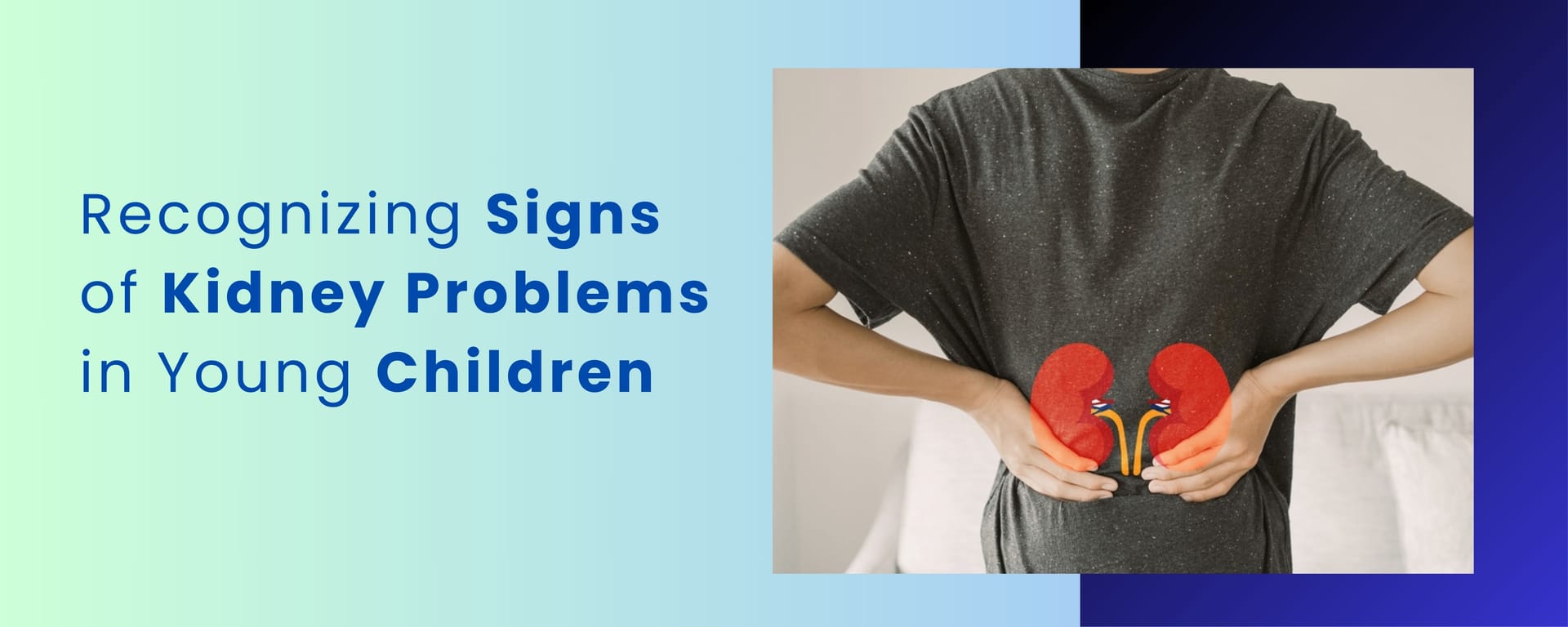
When your little one falls sick, your entire world can stop. But sometimes health conditions, such as kidney disease in children often go unnoticed until they become serious.
Did you know that kidney disease in children affects nearly 15 out of every 100,000 young ones in India? So if you suspect something’s not right with your little one's health, such as poor growth, frequent urination, or unexplained swelling, it might be time to dig deeper.
But with the right care and early diagnosis, most children with kidney issues can live a healthy and active life. In this blog, we will walk you through the causes, symptoms, diagnosis, and treatment options for kidney problems in newborn babies.
At NU Hospitals, Rajajinagar, Bengaluru, our specialists offer world-class care for kidney issues in children. With specialized pediatric nephrology services, advanced technology, and a compassionate team, we offer your little one the best shot at recovery and wellness.
What Are The Causes & Symptoms of Kidney Disease in Children
There are several reasons your child might develop kidney issues. Some might be present at birth, while others develop later. Understanding these root causes and warning signs is the first step to protecting your child.
Common Causes:
-
Birth Defects
Nearly 60% of kidney disease in children is from birth defects, such as renal agenesis (missing kidneys), kidney dysplasia (malformed kidneys), and renal hypoplasia (small kidneys with fewer nephrons).
-
Genetic Disorders
Conditions passed down in families can affect kidney function.
-
Glomerulonephritis
Damage to the kidney’s filtering units (glomeruli) allows protein to leak into urine.
-
Urinary Tract Infections (UTIs)
Frequent or severe UTIs can sometimes lead to kidney damage.
-
Trauma
Physical injury can harm the kidneys.
-
Urine Blockage or Reflux
Blocked urine flow or backward flow can cause lasting damage.
Key Symptoms to Watch For:
-
Changes in Urination:
-
Frequent urination or reduced urine output.
-
Bedwetting in children who were previously dry.
-
Pain or burning during urination.
-
Blood in the urine (hematuria).
-
Foamy or bubbly urine (indicating protein).
-
Swelling (Edema):
-
Puffiness around the eyes, face, hands, or ankles.
-
Swelling can be a sign that the kidneys aren't removing excess fluid.
-
Fatigue and Weakness:
-
Unexplained tiredness or low energy.
-
Pale skin due to anemia, which can be linked to kidney issues.
-
Growth Problems:
-
Poor growth or failure to thrive.
-
High Blood Pressure:
-
Kidney problems can cause hypertension in children.
-
Nausea and Vomiting:
-
Persistent stomach upset.
-
Loss of Appetite:
-
Reduced interest in food
Kidney Problems in Newborn Babies
Detecting kidney problems in newborn babies can be particularly challenging, as they cannot communicate their discomfort. However, certain signs might indicate an issue. Early detection of kidney conditions is vital for the best possible outcome.
-
Low Amniotic Fluid during Pregnancy
Low amniotic fluid during pregnancy can be a sign that the baby's kidneys are not developing or functioning properly in the womb.
-
Abdominal Mass
Your doctor might feel an abnormal lump in the baby's abdomen during examination.
-
Failure to Pass Urine
If a newborn doesn't urinate within the first 24-48 hours after birth, it warrants immediate medical attention.
-
Swelling
Similar to older children, unexplained swelling can be a red flag.
-
Poor Feeding
Difficulty feeding or lack of weight gain.
Types of Kidney Disease in Children
Understanding the different types of kidney disease for your little ones can help you understand your child's diagnosis.
Types of Kidney Disease |
Description |
Nephrotic Syndrome |
A condition that causes the body to pass too much protein in the urine |
Glomerulonephritis |
Inflammation of the kidney filters |
Polycystic Kidney Disease |
Inherited condition with fluid-filled cysts |
Urinary Tract Obstruction |
Blockage preventing normal urine flow |
Chronic Kidney Disease |
Gradual loss of kidney function over time |
Acute Kidney Injury |
Sudden decrease in kidney function, often reversible |
Treatment Options for Kidney Disease in Children
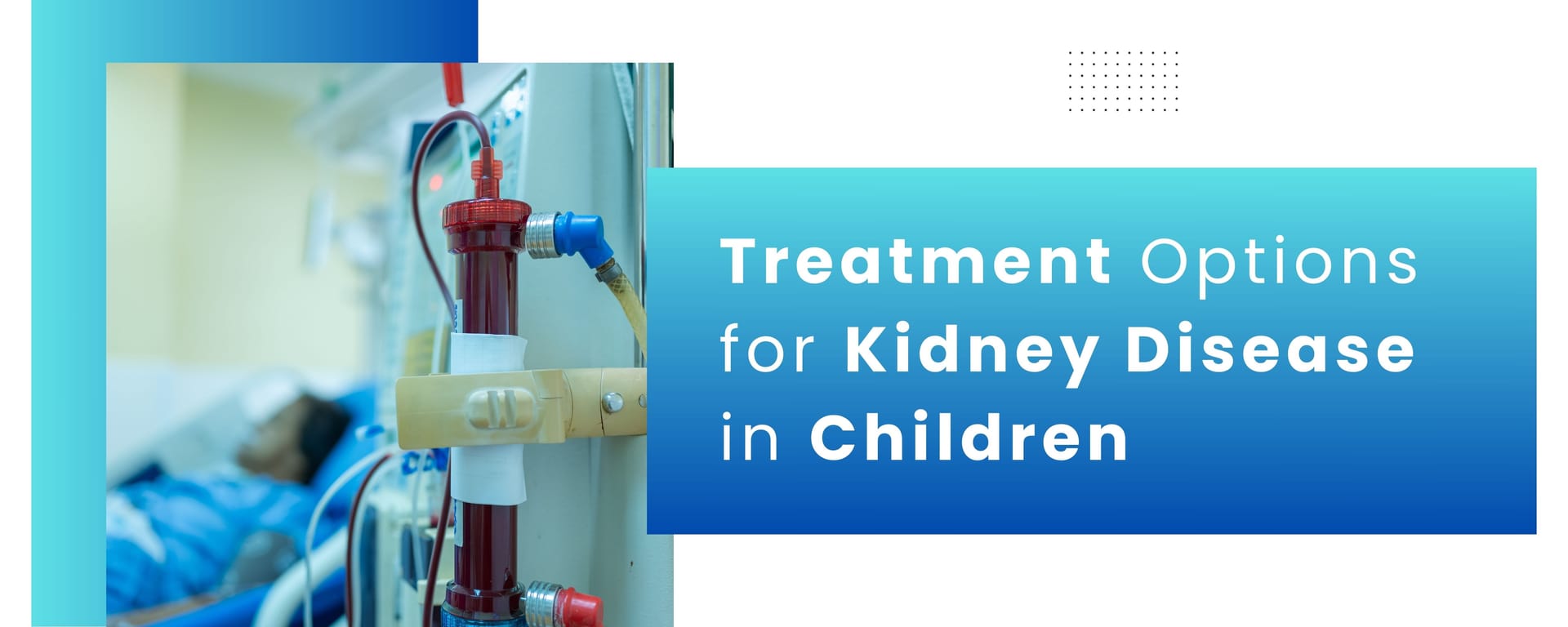
Due to medical advancements, most forms of kidney disease in children can be managed well. However, the treatment depends on the type, cause, and severity of the disease.
-
Medications
Medications help to control blood pressure, treat infections, or manage symptoms.
-
Dietary Changes
Changes in diet, such as low-salt and low-protein diets, may be recommended.
-
Dialysis
For severe cases, dialysis may remove waste and excess fluid from the blood.
-
Surgery
Surgery may be necessary for blockages or severe birth defects.
For end-stage disease, a transplant may be the best option.
Best Doctor Or Hospital For Treatment Of Kidney Disease In Children
Choosing the right care team for your little one is key. You need specialists who understand the unique needs of young patients and provide compassionate, cutting-edge care.
NU Hospitals Bengaluru is one of India’s leading centers for treating kidney disease in children. NU Hospitals is equipped with:
-
Dedicated paediatric nephrology and urology units
-
Child-friendly dialysis centers
-
Advanced imaging and diagnostic tools
-
Highly trained specialists in paediatric kidney care
-
Personalized treatment plans for every child (because every little one is special)
If your little one is suffering from kidney disease, you must not face it alone. By recognizing the early signs and symptoms of kidney problems in newborn babies, you can now protect them.
Don’t wait for symptoms to worsen. Whether it’s a hypoplastic kidney, glomerulonephritis, or hydronephrosis, the earlier it’s caught, the better the outcome. Book an appointment with NU Hospitals and give your child the healthy future they deserve.








