 Nephrology
 Urology
 Andrology
 Fertility (IVF)
 General Nephrology
 Paediatric Nephrology
 Dialysis
 Renal (Kidney) Biopsy
 CRRT
 Peritonial Dialysis
 Robotic Surgery
 Urinary Incontinence
 Uro-Oncology
 Laparoscopic Urology
 Reconstructive Urology
 Anaesthesiology
 Radiodiagnosis
 Nutrition and Dietetics
 Pediatric and Immunization
 Cardiology
 Intensive Care Unit




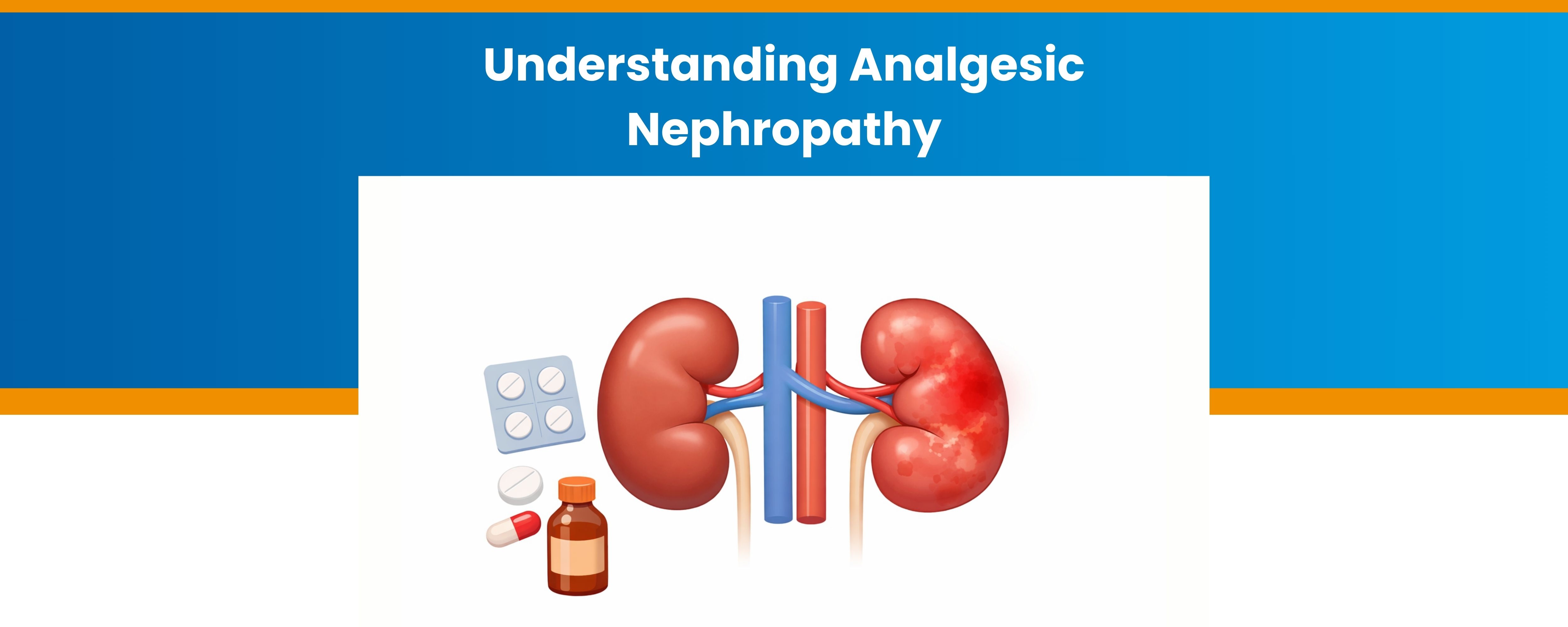
Painkillers are something most people reach for without a second thought. They help with headaches, joint aches, back pain, and even day-to-day discomfort. The problem is not occasional use. The concern begins when these medicines become a regular habit. Taken too often or for long stretches, some painkillers can slowly harm the kidneys. This slow, ongoing injury is called analgesic nephropathy.
Your kidneys handle a lot of work every minute. They filter waste, maintain fluid balance, and keep your internal chemistry in check. Using painkillers too often can slowly put stress on the kidneys, and over time, they may start to function less efficiently. Over time, this stress can lead to gradual damage that many people overlook until symptoms appear. That is why it helps to understand what analgesic nephropathy is. And what signs may show up early.
In this article, you will learn about the causes and symptoms, how doctors approach the diagnosis and treatment of analgesic nephropathy, the possible complications of analgesic nephropathy, and when to see a Nephrologist for further evaluation.
What Is Analgesic Nephropathy?
To answer, "What is analgesic nephropathy?" It is a kidney problem that develops mainly from long-term use of painkillers. The risk is higher with medicines that contain:
-
Diclofenac
-
Ibuprofen
-
Ketorolac
-
Etoricoxib
-
Mefenamic acid
-
Older combination pain tablets
These drugs can reduce the blood supply to the kidneys when used too often. This slow reduction in blood flow causes injury that builds over time. You may not feel it happening. The kidneys adapt for a while, but eventually the damage becomes noticeable through symptoms or abnormal test results.
People who use painkillers occasionally usually do not face this issue. It is the extended use that becomes a concern.
Causes and Symptoms
Knowing the causes and symptoms can help you catch the condition early.
Causes
-
Frequent or long-term analgesic use
The leading cause is regular use of painkillers for many months or years. This is especially common in people with chronic headaches, joint issues, or back pain.
-
Use of combination pain tablets
When more than one painkiller is mixed in a single tablet, the kidneys work harder to process them.
-
Low fluid intake
If the body is dehydrated, the kidneys receive less blood supply. Analgesics in this state can cause more harm.
-
Existing kidney or metabolic conditions
People with diabetes, elderly, high blood pressure, or earlier kidney problems face a higher risk.
-
Older age
Kidney function naturally slows with age, making prolonged analgesic use more harmful.
Symptoms
The causes and symptoms of analgesic nephropathy often show up slowly. Early signs may include:
-
Feeling tired more often
-
Passing urine more than usual
-
A dull back or flank ache
-
Loss of appetite
-
Mild nausea
-
Swelling around the feet
-
Blood pressure that is higher than before
As the condition progresses, symptoms such as anaemia, reduced urine output, or difficulty concentrating may appear. These signs are not specific to analgesic nephropathy alone, which is why testing is essential.
Diagnosis and Treatment of Analgesic Nephropathy
Doctors follow a structured approach when assessing the diagnosis and treatment of analgesic nephropathy.
Diagnosis
-
Medical history
Your doctor will ask what type of painkillers you take, how often you use them, and for how long.
-
Physical examination
Blood pressure, swelling, and other general health indicators are checked.
-
Blood tests
Kidney markers like creatinine and eGFR help reveal how well the kidneys are functioning.
-
Urine tests
Protein or blood in the urine may point to early injury.
-
Imaging tests
These include ultrasound or CT scans that can help identify scarring, shrinking of kidney tissue, or stones.
Treatment
Treatment focuses on stopping further injury and supporting the kidneys as much as possible.
-
Stopping the trigger medicine
The first step is discontinuing the painkiller responsible. Your doctor may suggest safer alternatives for managing chronic pain.
-
Improving hydration
The aim is to reduce the strain on the kidneys by staying well hydrated
-
Managing blood pressure
Abnormal blood pressure can severely damage the kidneys. A healthy blood pressure would reduce the load on the kidneys and help them heal.
-
Treating infections or stones
Kidney infections and stones tend to occur more easily when the kidneys are already stressed, so they should be treated without delay.
-
Regular monitoring
Your doctor might recheck your blood and urine after some time, just to see how your kidneys are doing and whether things are stable.
-
Advanced care
If the kidneys lose too much function, treatments such as dialysis or a transplant may become necessary. Getting the diagnosis and treatment of analgesic nephropathy early often helps people avoid reaching this point.
Complications of Analgesic Nephropathy
-
Chronic Kidney Disease (CKD): CKD can develop when the kidneys are damaged for an extended period. Their ability to filter waste gradually declines, and everyday functions become increasingly challenging to manage.
-
Kidney stones: Kidney stones can develop when the kidneys are exposed to excessive exposure to analgesics.
-
Repeated urinary infections: Injured kidney tissue does not protect against disease as effectively as it should, so some people develop urinary infections more often.
-
Electrolyte disturbances: The kidneys play a key role in sodium-potassium balance. But with damage, electrolyte levels can reach unsafe levels.
-
Renal papillary necrosis: Poor blood supply inside the kidney can damage small areas of tissue, sometimes causing them to break down.
-
Anemia: When kidney function drops, red blood cell production can slow down. This may lead to low haemoglobin and fatigue.
When to See a Urologist?
Many patients are unsure about when to see a urologist, especially when symptoms appear gradually. It is better to consult early in the following situations:
-
You often use painkillers for chronic pain
-
You feel unusually tired or swollen
-
Your blood pressure rises without an apparent reason
-
Lab results show reduced kidney function
-
You find blood in your urine
-
You develop stones or repeated infections
A urologist can examine your symptoms, arrange the proper tests, and guide you toward safe treatment options. When in doubt about when to see a urologist, early consultation is always the safer choice.
Why Choose NU Hospitals, Bengaluru, for Kidney Care?
If you are worried about your kidneys or use painkillers often, NU Hospitals in Bengaluru is a reliable place to get checked. The hospital handles a wide range of kidney and urinary issues.
Expert Team for Holistic Care
-
Experienced urologists and nephrologists who deal with kidney problems every day
-
Skilled lab staff who help with accurate testing
-
Nurses who offer steady support throughout your care
Advanced Diagnostic Support
-
Modern scans and imaging
-
Reliable lab reports
-
Tests that help your doctor understand what is happening and plan the proper treatment
Patient-Centered Approach
-
The team listens to your concerns carefully
-
Treatment steps are explained in simple, clear language
-
Long-term kidney health remains the primary focus








