 Nephrology
 Urology
 Andrology
 Fertility (IVF)
 General Nephrology
 Paediatric Nephrology
 Dialysis
 Renal (Kidney) Biopsy
 CRRT
 Peritonial Dialysis
 Robotic Surgery
 Urinary Incontinence
 Uro-Oncology
 Laparoscopic Urology
 Reconstructive Urology
 Anaesthesiology
 Radiodiagnosis
 Nutrition and Dietetics
 Pediatric and Immunization
 Cardiology
 Intensive Care Unit




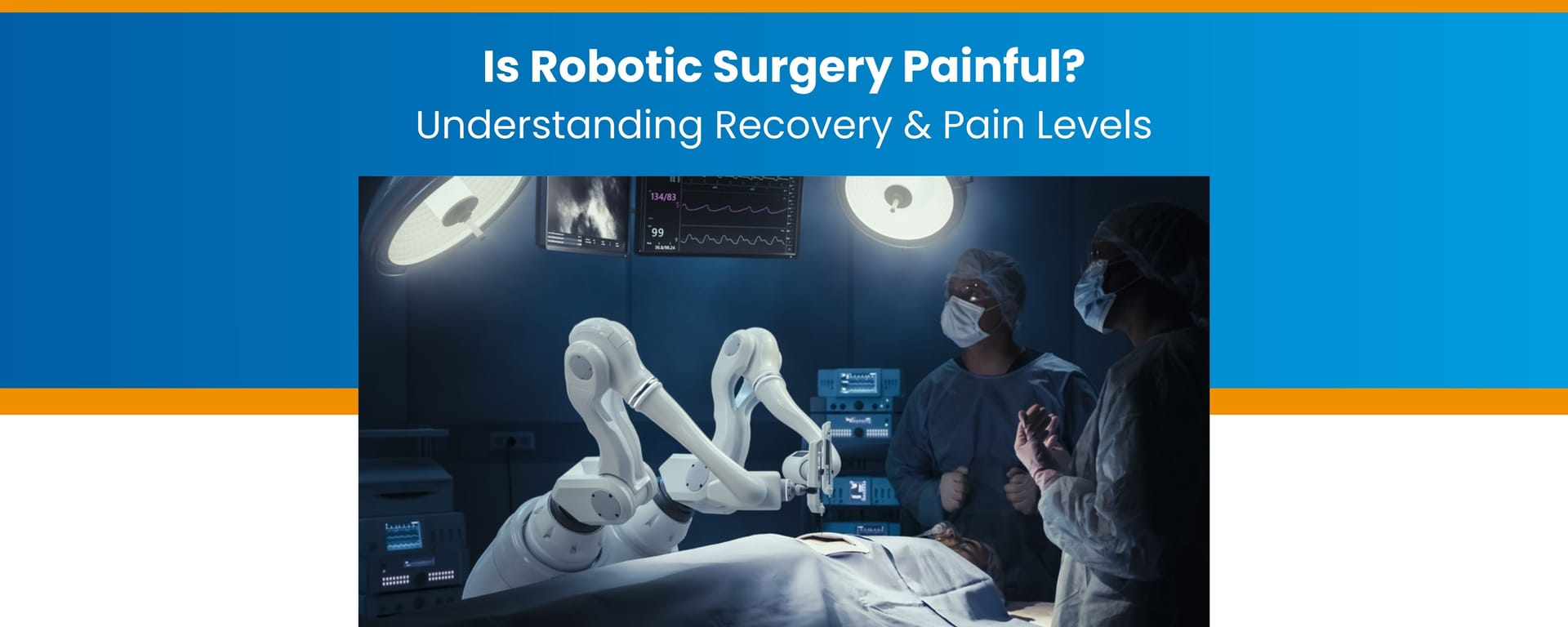
Robotic surgery has transitioned from a specialised innovation to a mainstream option for many common operations. Whether a patient is facing a colorectal procedure or a cancer-related surgery, they likely have questions about the technology. Beyond the excitement of robotics, however, lies a very human concern: Is robotic surgery painful? Preparing for surgery means understanding not just how the robot works, but how your body will feel in the days that follow.
Understanding Pain in Surgical Procedures
Pain is the body’s natural way of signalling that it is healing from a physical injury, and surgery, by its nature, is a controlled injury. Several factors influence how much pain a person might feel, including the location of the surgery, the patient's age, and how well the medical team manages pain after the procedure. Traditional open surgery requires a large incision, which means cutting through more muscle and skin. Robotic-assisted surgery, however, is minimally invasive, meaning it aims to do the same job while causing as little trauma as possible.
Is Robotic Surgery Painful?
The modern clinical perspective is generally encouraging. Most patients experience far less discomfort than they would with traditional methods. Surgeons employ precision tools through tiny incisions, which significantly reduces the extent of physical trauma caused to the abdominal wall.
You should still expect some discomfort immediately after the procedure, mainly around the tiny incision sites. You might also feel some internal pressure or mild gas pains. However, most patients find this pain very manageable with standard medications. Because the pain is lower, you won’t need to stay in bed as long. This helps prevent complications like blood clots and allows you to get back to your regular daily routine much faster than if you had undergone a traditional open operation.
Pain After Robotic Surgery: What Patients Experience
If you are preparing for a procedure, understanding what to expect regarding pain after robotic surgery can help ease your anxiety. Most patients find that their recovery follows a very manageable timeline. In the first few days, you might feel some soreness or tightness around the small keyhole incisions. Unlike older methods, this discomfort is usually light enough to be controlled with standard oral pain relief.
During the first 72 hours, it is common to notice:
-
Mild soreness at the incision spots
-
Some pelvic or abdominal pressure
-
Temporary shoulder discomfort (caused by gas used during the operation)
-
A feeling of tiredness rather than sharp, severe pain
Most people see a significant improvement after just one week. By week three, you will likely be moving around with almost no discomfort. When we compare robotic surgery vs. open surgery in terms of pain, the differences are quite clear.
Robotic Surgery vs Open Surgery Pain
The debate of robotic surgery vs open surgery pain is often won by the robotic approach because it causes so much less damage to the body. Traditional open surgery requires a large, deep cut that slices through muscle, which naturally hurts more and takes longer to heal. Because robotic surgery uses small tools and tiny openings, it avoids much of this muscle and nerve damage. This leads to lower pain scores and a much faster return to your everyday life. Many patients say that while open surgery feels like a major injury, robotic surgery feels more like a bruised muscle.
Recovery Time After Robotic Surgery
Robotic-assisted surgery speeds up your return to normal activities. A key benefit is that recovery time after robotic surgery is significantly shorter than with traditional methods, resulting in less downtime and faster healing.
It is common for patients to be up on their feet, walking, and eating just hours after waking up. Because the body undergoes less stress, most people only need to stay in the hospital for a day or two.
The postoperative period is managed through a series of goals. Milestones include:
-
Days 1–2: Pain management at the incision sites.
-
Week 1: Significant reduction in inflammatory symptoms.
-
Weeks 2–3: Resumption of light professional responsibilities.
-
Weeks 4–6: Maturation of internal sites and metabolic baseline.
Following this timeline ensures a successful return to your usual daily activities.
Postoperative Pain Management in Robotic Surgery
Doctors use many different ways together to help you feel better and keep you from having side effects from medicine.
Pain management strategies may include:
-
Oral painkillers such as paracetamol and anti-inflammatory medications
-
Short-term use of mild opioids if necessary
-
Local anaesthetic injections around incision sites
-
Early mobilisation to reduce stiffness and discomfort
Because pain levels are usually lower, many patients can avoid strong opioid medications altogether. This reduces the risk of nausea, constipation, drowsiness, and dependency, which are common concerns after major surgery. Doctors monitor your pain and adjust treatment plans regularly to ensure your continued comfort throughout the recovery process.
Psychological Impact and Pain Perception
Surgery is as much a psychological event as a physical one. The small physical footprint of robotic surgery reduces the trauma response in the patient’s mind. When a patient sees tiny incisions instead of a large wound, their anxiety levels drop. This lower-stress state reduces cortisol release, which can help the body heal faster and improve pain tolerance.
Long-Term Comfort and Healing
Robotic surgery facilitates long-term comfort by minimising operative trauma. Smaller incisions reduce the likelihood of nerve damage and scar sensitivity. The resulting reduction in pain encourages early mobilisation, which is essential to prevent complications such as stiffness and venous issues, such as blood clots. This promotes a superior physical and emotional recovery.
Who May Experience More Pain?
Certain factors may influence discomfort:
-
Complex, long surgeries
-
Chronic pain history
-
Obesity or diabetes
-
Prior abdominal surgery
Despite these factors, robotic surgery is usually less painful than traditional methods. Plans are tailored to your specific needs.
Final Thoughts
For those considering their options and asking if robotic surgery is painful, the reality is that pain is lower than with traditional methods. Pain after robotic surgery is generally mild and short-term. When comparing robotic surgery vs open surgery pain, robotics offers practical benefits in terms of comfort and healing time.
The promise of a shorter recovery time after robotic surgery, backed by progressive postoperative pain management in robotic surgery, makes for a much safer journey. As robotic systems gain even more dexterity, the physical burden of surgery will continue to vanish, making it the primary option for surgeons and patients who want to see technology used to its fullest potential for human healing.








