 Nephrology
 Urology
 Andrology
 Fertility (IVF)
 General Nephrology
 Paediatric Nephrology
 Dialysis
 Renal (Kidney) Biopsy
 CRRT
 Peritonial Dialysis
 Robotic Surgery
 Urinary Incontinence
 Uro-Oncology
 Laparoscopic Urology
 Reconstructive Urology
 Anaesthesiology
 Radiodiagnosis
 Nutrition and Dietetics
 Pediatric and Immunization
 Cardiology
 Intensive Care Unit




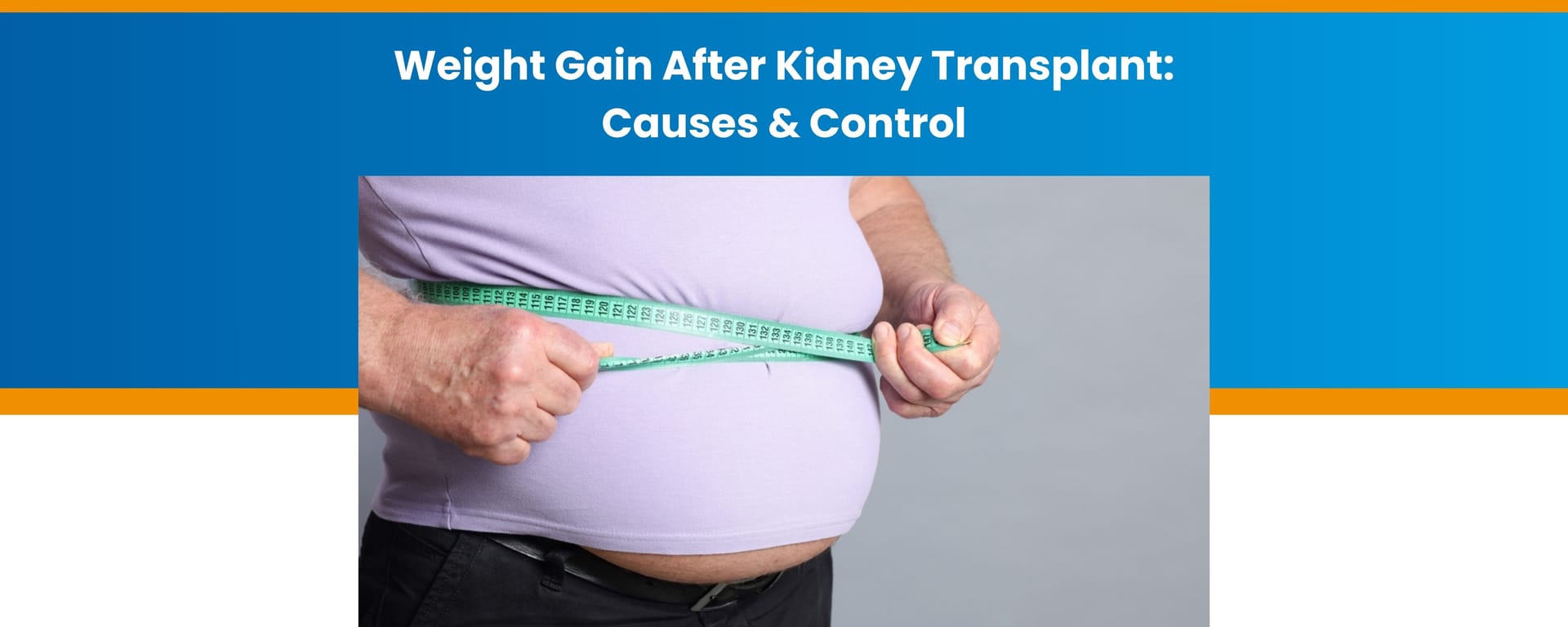
A kidney transplant is a precious gift, but the work doesn't end in the operating theatre. One of the most serious threats to your long-term success is weight gain after kidney transplant. While some weight restoration is expected, rapid or excessive gain can lead to diabetes, heart disease, and eventually, graft failure. You must be highly careful.
This isn't merely a matter of diet. The steroids and anti-rejection drugs you need can significantly alter your metabolism. Don't wait until the weight becomes a problem to act. Early intervention, strict monitoring, and lifestyle adjustments are important to protect your transplant. Your health and your new kidney depend on staying proactive and informed.
Why Weight Gain Is Common After Transplantation
Before your transplant, you likely faced a difficult time with poor appetite, nausea, and the exhaustion of dialysis. It is very common to lose muscle and weight when you are so unwell. After the operation, it feels great when your appetite returns and you can finally enjoy a wider variety of foods again.
Improved appetite and a lack of dietary limits often lead to excessive calorie consumption. When paired with the necessary period of physical inactivity during surgical healing, weight gain can occur rapidly. If these early habits become permanent, the resulting weight gain can threaten your new kidney’s health. Taking control of your diet and increasing your activity levels as soon as you are medically cleared is essential for success.
Medical and Metabolic Contributors
Understanding the causes of post-transplant weight gain helps you navigate your recovery with confidence. Your essential anti-rejection medications are crucial for your new kidney, but they can naturally increase your appetite and change how your body stores fat. It is a common part of the journey toward long-term health.
Key contributing factors include:
-
Steroid-induced appetite increase: Steroids are potent appetite stimulants that can cause rapid overeating. You must be vigilant, as increased hunger often strikes just when your ability to stay active and burn calories is at its lowest.
-
Effects on fat storage and glucose metabolism: These drugs actively promote fat storage and insulin resistance. Unless you monitor your intake, these metabolic changes, combined with low activity levels, will almost certainly lead to persistent, unhealthy weight gain.
-
Fluid retention in the early post-transplant period: Watch for early weight spikes. While this is water weight, it can make it harder to spot the start of actual body fat accumulation.
-
Changes in fat distribution: You might notice your stomach getting bigger even if the rest of you stays the same. Steroids tend to redistribute fat to the middle of the body, which can be a bit of a nuisance.
-
Impact of other immunosuppressive medications: Other anti-rejection drugs can also negatively impact your glucose metabolism or lipid levels. The specific effect depends entirely on the combination and dosage of drugs your doctors prescribe.
Lifestyle Changes After Transplant
Lifestyle changes following your surgery are a major factor in weight management. Initially, you must limit movement to ensure your wound heals. However, many recipients stay inactive longer than necessary because they are afraid of damaging the graft or still feel quite tired.
Simultaneously, a resurgent appetite often leads to more frequent snacking and a preference for calorie-dense, processed foods. It is very easy to underestimate your daily calorie count if you aren't paying close attention to your portions.
External pressures matter too. Family celebrations and the sheer relief of being off dialysis often revolve around food, making it very easy to overeat during these social gatherings.
Psychological Factors and Emotional Eating
Your emotional health is deeply linked to your weight after your transplant. This journey is a huge undertaking, and it is perfectly normal if you don’t feel better overnight. Worries about your new kidney, medication changes, or getting back to work can feel quite heavy.
It is very common to turn to food for comfort or as a treat after years of struggle. When emotional eating meets a steroid-boosted appetite, weight can creep up. Gently acknowledging these patterns early can help you find healthier ways to care for yourself.
Health Implications of Excess Weight Gain
Weight gain after a transplant isn't always healthy. Excessive gain carries significant risks. Carrying too much weight can indirectly damage your new kidney and lead to long-term failure. You must take weight monitoring seriously as part of your routine care to prevent these complications.
Graft survival is associated with stable weight. Here are a few risks you need to know about:
-
Poor blood pressure control: Excess weight is a primary driver of hypertension, which can damage your kidneys. High blood pressure is a leading cause of graft failure. It may cause permanent, irreversible damage to your newly transplanted kidney.
-
Higher risk of post-transplant diabetes: If the scales go up too much, your body can struggle with sugar. Taking steroids makes this even trickier, potentially leading to diabetes. Act now to manage your weight and protect your second chance at life.
-
Increased cardiovascular disease risk: Looking after your heart is so important. Managing your weight helps keep your cholesterol and blood sugar in a healthy range, protecting your heart in the long term.
-
Impact on long-term transplant outcomes: Unmanaged weight gain may indirectly affect graft survival by increasing metabolic and cardiovascular stress.
Approaches to Weight Management After Transplant
Treatment and management of post-transplant weight gain involves a kind, patient approach to your body’s changes. We don’t recommend harsh diets, as your body needs strength to recover from surgery. Sustainability is far more important than fast results.
-
Tailored Advice: You must consult a transplant dietitian. Your nutritional needs are now critical. You need protein for surgical recovery, but you must cut sugary snacks immediately to avoid rapid weight gain.
-
Portion Control: Steroid-induced hunger is a major health risk. You have to be vigilant. Recognising genuine hunger versus habit is the only way to prevent a calorie overload that could threaten your new kidney.
Physical Activity and Long-Term Weight Control
You should gradually resume physical activity as soon as you are medically cleared. Exercise is essential for weight management, improving insulin response, and protecting your heart. It is the primary way to rebuild muscle mass lost during chronic illness.
Walking, swimming, or light cycling are effective ways to stay active without overdoing it. Focusing on a regular routine is much more important than how fast you go. Regular movement helps your body handle your medications much more effectively.
Lifestyle and medical weight control after transplant are more successful with a plan tailored just for you. Your healthcare team is here to help ensure your new routine is both safe and enjoyable.
Conclusion
Weight gain after your operation is down to several factors, including your medication and activity level. Keeping it in check is vital for your kidneys’ future. Addressing the role of steroids in weight gain is a key tactic for success. Use portion control and regular walking to keep your weight managed safely. With a practical approach to lifestyle and medical weight control, you protect your graft and get the most out of your transplant.








