Specialities
 Nephrology
 Urology
 Andrology
 Fertility (IVF)
Nephrology Services
 General Nephrology
 Paediatric Nephrology
 Dialysis
 Renal (Kidney) Biopsy
 CRRT
CRRT Peritonial Dialysis
Urology Services
 Robotic Surgery
 Urinary Incontinence
 Uro-Oncology
 Laparoscopic Urology
 Reconstructive Urology
 Anaesthesiology
 Radiodiagnosis
 Nutrition and Dietetics
 Pediatric and Immunization
 Cardiology
 Intensive Care Unit


Home / Conditions and treatments / Healthy Tips to avoid Bladder Issues in Children
Health Tips for Children for a healthy Bladder
Maintaining a healthy bladder is a cornerstone of your child’s overall well-being. Parents can adopt simple, everyday practices to encourage good bladder habits and reduce the risk of common urinary issues. Let’s explore how to support your child’s bladder health effectively.
Understanding the Urinary System
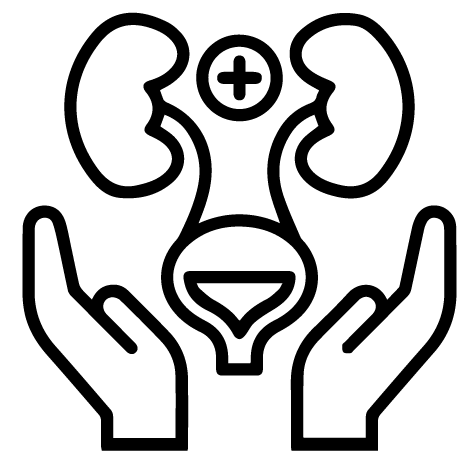
The urinary system is like your body’s plumbing. It includes:
- Kidneys: These act as natural filters, removing waste and excess water from the blood to form urine.
- Ureters: Small tubes that carry urine from the kidneys to the bladder.
- Bladder: A storage tank that holds urine until it’s time to release it.
- Urethra: A passage that allows urine to flow out of the body during urination.
When this system works well, it keeps your child comfortable and healthy.
Encouraging Healthy Bladder Habits
Regular Bathroom Breaks
Teach your child to visit the bathroom every few hours, even if they don’t feel an urgent need. This prevents the bladder from becoming overly full and helps establish a healthy routine.
Proper Toilet Posture
Comfort is key when using the toilet. Make sure your child sits with their feet flat on the floor or a step stool, with knees slightly apart. Boys should stand in a natural, relaxed position if urinating while standing.
Stay Hydrated
Water is essential for bladder health. Encourage your child to drink water regularly throughout the day to help flush out bacteria and maintain urinary balance. Avoid sugary drinks, sodas, and those containing caffeine, as they can irritate the bladder.
Tips for Preventing Bladder Problems in Children
Prevent Constipation
Constipation can place pressure on the bladder, leading to discomfort. It also increases bacterial count in the perineum and causes UTIs. A diet rich in fruits, vegetables, and whole grains can help. Hydration and occasional probiotic-rich foods like yogurt can also support digestive and urinary health.
Practice Good Hygiene
Cleanliness is crucial. Teach children to wash their hands after every bathroom trip and to wipe front to back to avoid spreading bacteria. Daily washing with mild soap around the genital area helps prevent irritation.
Limit Bladder Irritants
Some foods and drinks, like spicy snacks, citrus juices, or artificially sweetened beverages, can bother the bladder. Stick to water or well-diluted juices to avoid issues.
Early signs of Bladder Issues in Children
It’s important to monitor your child for signs of bladder issues. These might include:
- Frequent urination or a sudden urge to pee.
- Complaints of pain or discomfort during urination.
- Cloudy or unusually strong-smelling urine.
- Persistent bedwetting beyond the typical age.
If any of these symptoms occur, consult your pediatrician.
Additional Tips for Bladder Health
- Double Voiding: Encourage your child to take their time and try to urinate again a few moments after the first attempt.
- Set Bathroom Routines: Regularly scheduled trips to the bathroom can prevent accidents and overfilling.
- Limit Fluids at Night: To reduce nighttime accidents, encourage your child to drink more during the day and less in the evening.
When to Seek Medical Advice
If you notice persistent problems such as recurring urinary tract infections or difficulty urinating, don’t hesitate to seek professional help. Early intervention can prevent more serious complications.

Your donation today can shape the future of healthcare, bringing hope and healing to countless lives

Be Our Subscriber
To get the latest news about health from our experts
Our Specialities
Quick Links
Information
Legal


Public Notice: NU Hospitals would like to inform the general public that NU Hospitals practices all organ transplants in accordance with The Transplantation of Human Organs Act 1994. NU Hospitals does not buy or sell any organ and seriously condemn this act. Every hospital including NU takes details of name, address, phone number while registering the patient.