 Nephrology
 Urology
 Andrology
 Fertility (IVF)
 General Nephrology
 Paediatric Nephrology
 Dialysis
 Renal (Kidney) Biopsy
 CRRT
 Peritonial Dialysis
 Robotic Surgery
 Urinary Incontinence
 Uro-Oncology
 Laparoscopic Urology
 Reconstructive Urology
 Anaesthesiology
 Radiodiagnosis
 Nutrition and Dietetics
 Pediatric and Immunization
 Cardiology
 Intensive Care Unit




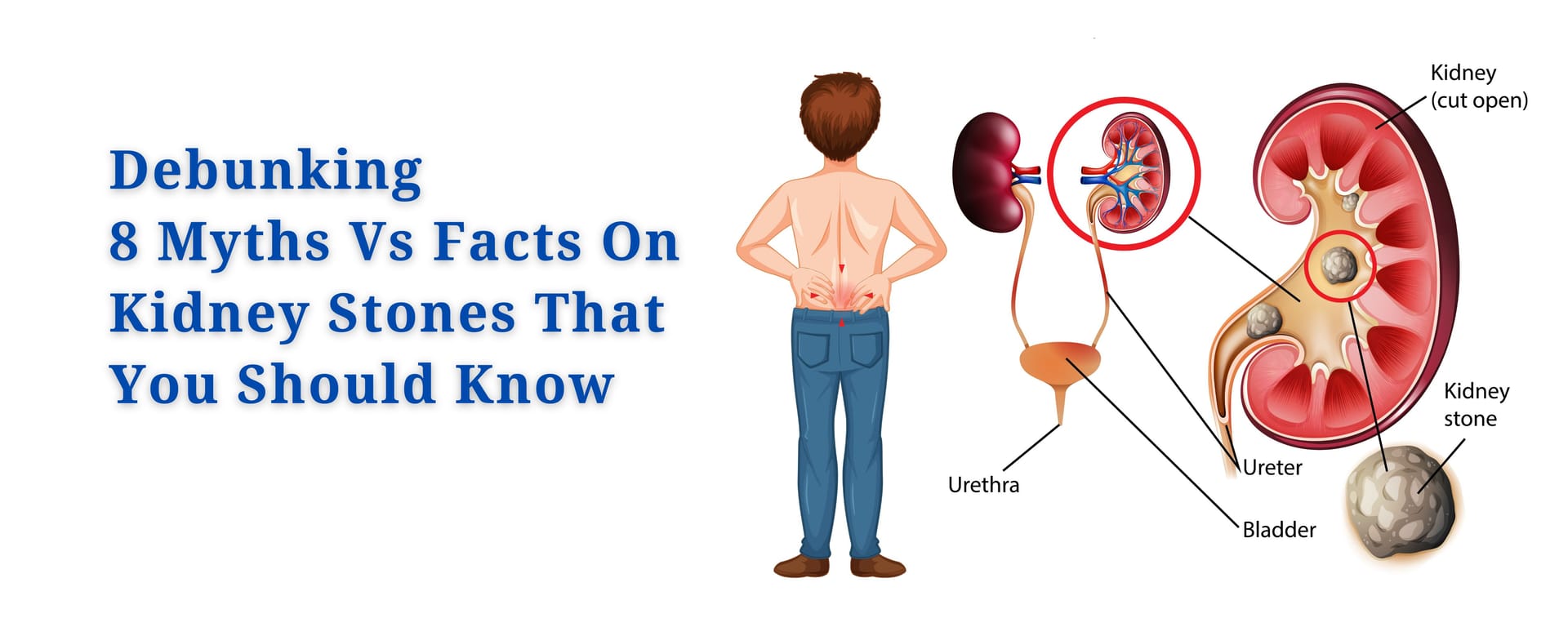
Debunking 8 Myths Vs Facts On Kidney Stones That You Should Know
Imagine getting a sudden, sharp pain in your back while working. Or not being able to sleep at night because the pain is too much. This is not just a bad dream; it’s a reality for many people suffering from kidney stones.
Kidney stone pain can be unbearable. People describe it as one of the worst pains they’ve ever felt. Studies show that up to 15% of people in India may get kidney stones at some point in their lives. The number is higher than the global average.
Being told you have a kidney stone can feel scary, stressful, and confusing. But what makes it even harder is the amount of wrong information out there. We turn to the internet often for help, but end up reading stories that create fear, or worse, lead them to try treatments that don’t work and make things worse.
At NU Hospitals, Bangalore, we understand your struggle. We understand your fear, pain, and confusion.
This blog is here to help. Some of the most common myths about kidney stones and answer the questions that are probably on your mind.
Learn how to prevent kidney stones with a simple lifestyle change.
Myth Vs Fact On Kidney Stones
Understanding the truth about kidney stones is your first step towards better prevention and management. Here are 9 common myths about
Myths |
Facts |
Only older people get kidney stones |
Kidney stones can affect anyone, including children and teenagers. Dehydration, poor diet, and genetics play a role. |
Calcium-rich foods like milk or Calcium tablets cause kidney stones |
On the contrary, dietary calcium actually helps to prevent kidney stones by binding oxalates in the gut. It’s excessive calcium supplements that may increase the risk. |
Eating few fruits and vegetable causes kidney stones |
Most fruits and veggies are safe and even help prevent kidney stones, and should be balanced with calcium intake. |
Once you have a stone, you’ll always have pain |
Stones in the kidney never cause pain. Proper treatment can relieve symptoms and prevent kidney stones from recurring. |
Drinking beer helps pass kidney stones |
Alcohol can actually dehydrate you, increasing the risk of kidney stones. |
All kidney stones require surgery |
Many kidney stones can be managed with medications and lifestyle changes. Surgery is only required for larger stones. Consult with your urologist for the best treatment procedure for you. |
Drinking lemon juice and some medicines can dissolve kidney stones |
While lemon juice may help prevent stone formation due to its citrate content, it does not dissolve any existing stones. They can be part of your preventative diet. |
You should avoid all high-oxalate foods if you have kidney stones |
While oxalate is a component of many stones, complete avoidance is not necessary. Focus on a balanced diet and ensure you are getting enough calcium. For example, spinach and rhubarb are high in oxalate, but consuming them with calcium-rich foods can reduce oxalate absorption. |
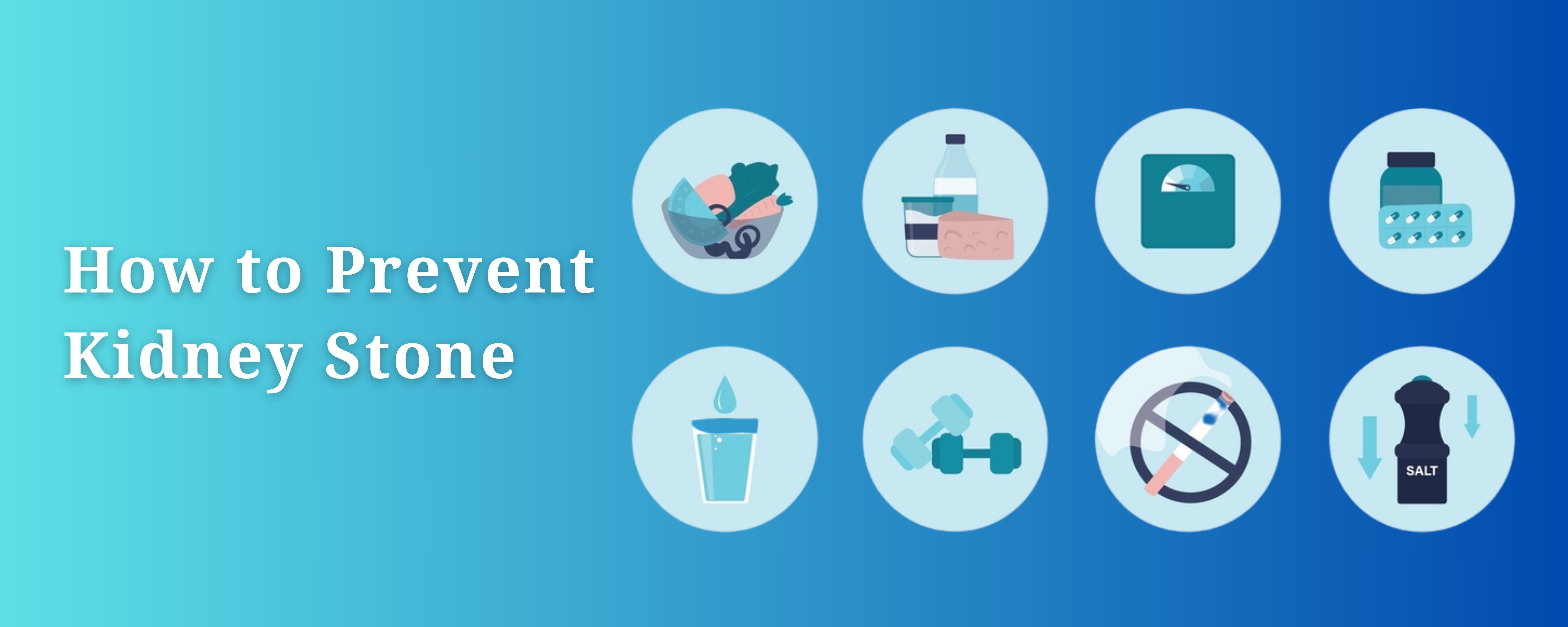
How To Prevent Kidney Stones
Preventing kidney stones involves lifestyle and dietary changes. Here's how you can significantly reduce your risk.
-
Stay Hydrated
Drink an adequate amount of water throughout the day. This is the single most effective way to prevent kidney stones.
-
Limit Salt Intake
High sodium levels can increase calcium in your urine, leading to stone formation.
-
Increase Citrate Intake
Foods like lemons and oranges can help prevent stone formation. But avoid drinking refined fruits juices
-
Maintain a Balanced Diet with extra intake of vegetable fibres
Focus on fruits, vegetables, whole grains, and low-fat dairy. Limit salt, sugar, and processed foods in your diet.
-
Moderate Animal Protein
Too much red meat or shellfish can increase your risk of developing uric acid stones. Choose plant-based proteins when possible.
-
Watch Oxalate Intake
Limit high-oxalate foods like spinach, nuts, and chocolate, especially if you have had stones before. Pair them with calcium-rich foods to reduce absorption.
-
Limit Sugar and Soda
Limit food items with high-fructose corn syrup, as they can raise stone risk.
-
Stay Active
Regular exercise helps maintain a healthy weight, reducing your risk of kidney stones.
-
Follow Medical Advice
If you have a previous history of kidney stones, your doctor may recommend specific medications or dietary changes to reduce your risk of kidney stones.
Best doctor in Bangalore for kidney stone treatments
When it comes to the best doctor in Bangalore for kidney stone treatments, NU Hospitals stands out. With state-of-the-art technology, a dedicated team of urologists, and patient-centered care, NU Hospitals offers comprehensive solutions. From diagnosis to advanced minimally invasive treatments, we offer you all.
If you or someone you love is struggling with kidney stones, NU Hospitals is here to guide you every step of the way.
Fighting kidney stones can be scary, but you are not alone. With the right knowledge, support, and medical care, you can find relief. Remember, most stones are preventable. Don’t let myths or fear hold you back.








