 Nephrology
 Urology
 Andrology
 Fertility (IVF)
 General Nephrology
 Paediatric Nephrology
 Dialysis
 Renal (Kidney) Biopsy
 CRRT
 Peritonial Dialysis
 Robotic Surgery
 Urinary Incontinence
 Uro-Oncology
 Laparoscopic Urology
 Reconstructive Urology
 Anaesthesiology
 Radiodiagnosis
 Nutrition and Dietetics
 Pediatric and Immunization
 Cardiology
 Intensive Care Unit




Planning to start a family? Building your family is a beautiful journey.
However, this journey can often have a few roadblocks on the way. One such roadblock you might have to overcome on the way might be asthenozoospermia.
Asthenozoospermia means slow or poor sperm movement. It is one of the most common issues in male fertility today. 40–50% of male fertility issues are linked to this condition.
However, the good news is that asthenozoospermia is treatable in most cases. With proper diagnosis and proper asthenozoospermia treatment, most couples can successfully conceive.
NU Hospitals, Bangalore, is a specialised hospital for male fertility care. We are a trusted hospital for andrology and reproductive health. We help to diagnose your condition and treat any roadblocks on the way to building your family.
Read the blog to learn more about asthenozoospermia symptoms, diagnosis, and asthenozoospermia treatment.
What Is Asthenozoospermia?
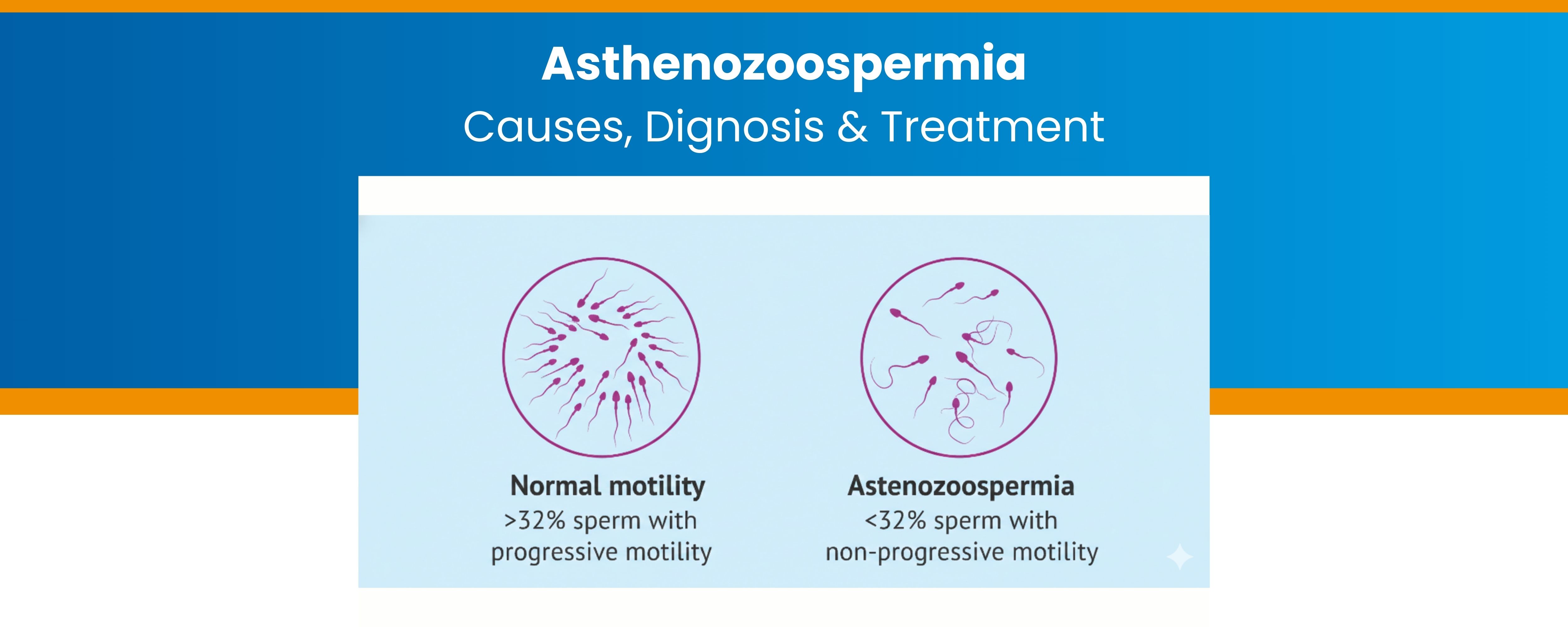
Asthenozoospermia is a medical condition. It is a condition where the sperm have poor or reduced motility (movement). It is a very important factor for conception.
Meaning of Low Sperm Motility
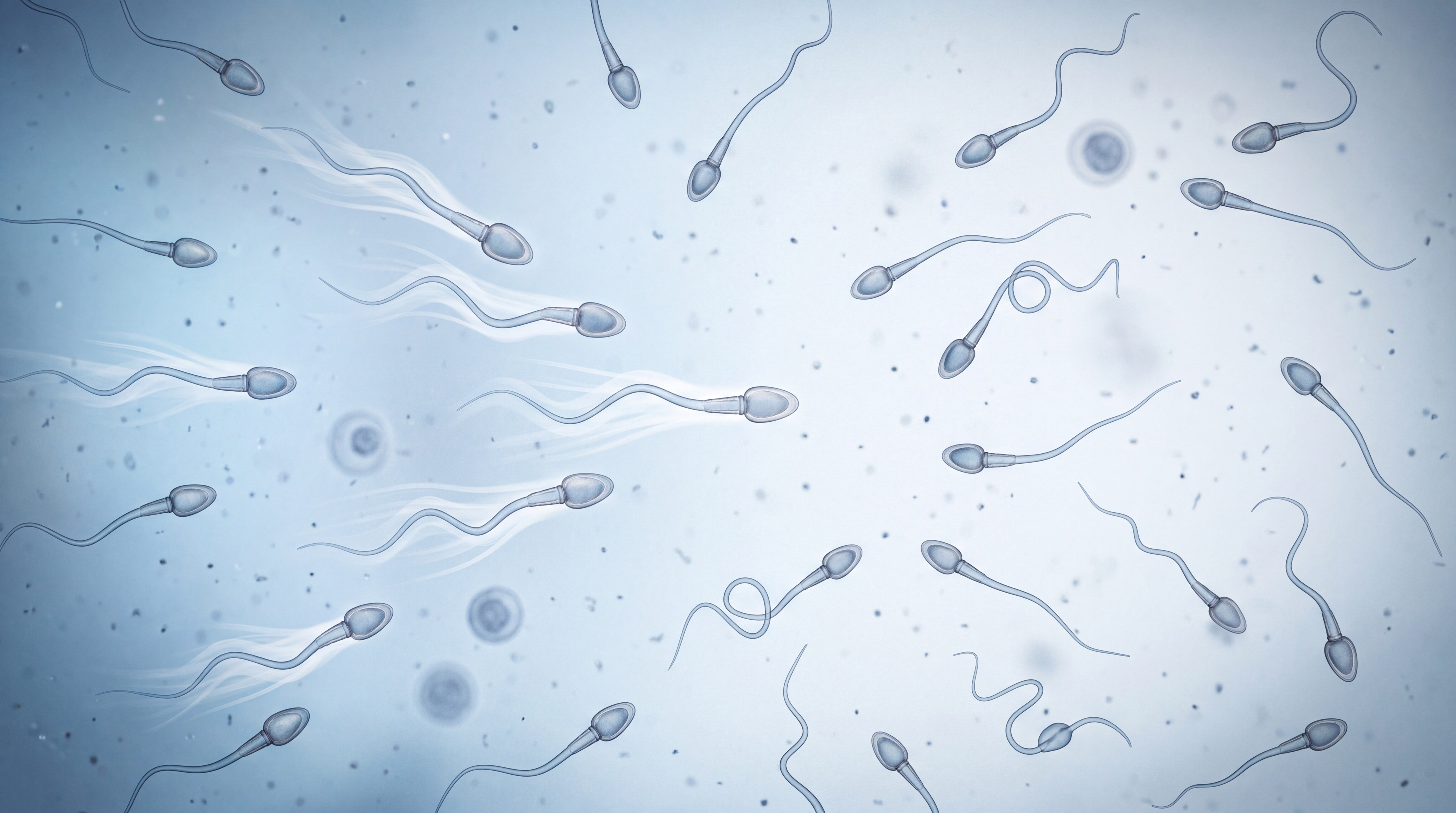
Your sperm movement can be put into different grades. Low sperm motility means that very few sperm are swimming forward effectively. If your sperm cannot swim well, they fail to reach and fertilise the egg.
WHO states that progressive sperm motility should be at least 32%. Anything lower than 32% is classified as low motility.
How Sperm Motility Affects Male Fertility
To reach the egg, your sperm must travel a long way. Only the fastest and the strongest sperm can reach the egg.
If most sperm are slow or stuck, they cannot reach the egg in time. They cannot penetrate the egg’s outer layer.
Even if your sperm count is normal, low motility can drastically reduce the chance of a natural pregnancy.
What Causes Asthenozoospermia?
Low motility can happen for several reasons.
Medical Conditions Linked to Low Motility
These are common asthenozoospermia causes
-
Varicocele (enlarged veins in your scrotum)
-
Infections such as prostatitis
-
Obesity
-
Diabetes
-
Thyroid disorders
-
Testicular injury
-
Long-term fever or illness
Lifestyle & Environmental Factors
-
Heat exposure from hot tubs, saunas, tight innerwear or a laptop on your lap
-
Smoking
-
Drinking alcohol
-
Poor diet
-
Lack of exercise
-
Stress
-
Environmental toxins, pollution, and industrial chemicals
-
Sedentary lifestyle
Genetic & Hormonal Issues
-
Low testosterone
-
Genetic abnormalities
-
Problems in sperm production
-
Pituitary or hypothalamus disorders
Symptoms and Warning Signs in Men
There are no physical signs or symptoms of asthenozoospermia.
Signs That May Indicate Motility Problems
The main and only symptom of low motility is the inability to achieve pregnancy. If you and your partner have been trying to conceive without success, there is a chance of male factor infertility. Here are a few other signs that may indicate motility problems:
-
Reduced semen volume
-
Thick or watery semen
-
Testicular discomfort
-
Low sexual desire
These signs do not mean low motility. However, you do need to consult with an andrologist if you notice the following signs.
When You Should Get a Fertility Check
Consult with our andrologist at NU Hospitals, Bangalore, if you experience any of the following symptoms. There might be underlying causes for your low motility:
-
Pain or swelling in your testicle area.
-
Ejaculation problems or reduced libido.
-
Past infections in your genital area.
-
Undergoing cancer treatment.
-
Varicocele.

How Asthenozoospermia Is Diagnosed at NU Hospitals, Bangalore
At NU Hospitals, the process to confirm your asthenozoospermia diagnosis is quite simple. We follow the strict guidelines set by the World Health Organization (WHO) for male fertility evaluation.
Semen Analysis (WHO Criteria)
This is the main test for asthenozoospermia diagnosis. It is a simple lab test. It examines your semen sample.
-
Motility Measurement: The lab measures the percentage of your moving sperm.
-
Concentration: The number of sperm per milliliter is counted.
-
Morphology: The shape and size of your sperm are checked.
Hormonal Tests & Scrotal Ultrasound
If your semen analysis is abnormal, further tests can help your doctor find the cause:
-
Hormonal Profiling: Blood tests will help to check your FSH, LH, Testosterone, and Prolactin levels. This will help to identify any endocrine issues that are affecting your sperm production.
-
Scrotal Ultrasound: It is a non-invasive imaging test. It checks for structural problems.
Advanced Fertility Evaluations
For complex cases, more specialized testing is suggested by our andrologist:
-
Sperm DNA Fragmentation Index (DFI): This test helps to check the integrity of the genetic material inside your sperm. High fragmentation is usually linked to poor motility and conception issues.
-
Testing for ROS: This helps to measure the level of oxidative stress in the seminal fluid.
-
Genetic Testing: Blood tests help to rule out any rare chromosomal defects.
Best Treatment Options for Asthenozoospermia
Your asthenozoospermia treatment will depend on the cause of asthenozoospermia.
Medication & Supplements for Sperm Motility
Your doctor may prescribe:
-
Antibiotics to clear up any reproductive tract infections.
-
Hormonal therapy to stimulate hormone production and improve sperm development.
-
Antioxidant supplements such as L-Carnitine, Coenzyme Q10, Vitamin C, Vitamin E, and Zinc. This helps to reduce oxidative stress and improve your sperm function and movement.
Lifestyle Modifications & Diet Support
Simple lifestyle changes can boost your sperm motility:
-
Include more fruits, nuts, and leafy greens in your diet.
-
Exercise for 30 minutes daily
-
Maintain a healthy weight
-
Reduce stress
-
Stop smoking and alcohol consumption
-
Don't keep phones and laptops near your groin area
-
Drink an adequate amount of water
Assisted Reproductive Techniques (IUI/IVF/ICSI)
If your motility is still low and other medical treatments are not working, our fertility specialist may suggest ART techniques.
-
Intrauterine Insemination (IUI): Healthy sperm are placed directly into the female partner's uterus. This removes the need for the sperm to swim long distances in the cervix.
-
In Vitro Fertilization (IVF): In IVF, the egg is fertilized outside the body in a lab. This is used for more severe cases.
-
Intracytoplasmic Sperm Injection (ICSI): This is the most advanced solution. A single, morphologically normal, moving sperm is injected directly into the egg.
Can Asthenozoospermia Be Cured?
Depending on the cause and severity of your Asthenozoospermia, the results can vary.
Reversible vs Non-Reversible Causes
Asthenozoospermia Causes |
Details |
Reversible Causes |
|
Non-Reversible Causes |
|
Success Rates with Treatment
-
Mild cases can improve within 3 - 6 months.
-
Lifestyle changes can boost your motility by 20 - 30% in many men.
-
ICSI provides a success rate of 60 - 70% even in severe asthenozoospermia cases.
Male Fertility Specialists at NU Hospitals, Bangalore
If you are dealing with male factor infertility, you need specialised care. At NU Hospitals, we provide you with that.
Andrologists & Fertility Experts for Low Motility
NU Hospitals has a dedicated Andrology and Male Infertility team.
Our experts focus on conditions such as low sperm count, poor motility, sexual dysfunction, and complex male factor infertility
Advanced Male Reproductive Care & Labs
At NU Hospitals, we offer specialised semen analysis, hormone testing, imaging, and fertility procedures.








