 Nephrology
 Urology
 Andrology
 Fertility (IVF)
 General Nephrology
 Paediatric Nephrology
 Dialysis
 Renal (Kidney) Biopsy
 CRRT
 Peritonial Dialysis
 Robotic Surgery
 Urinary Incontinence
 Uro-Oncology
 Laparoscopic Urology
 Reconstructive Urology
 Anaesthesiology
 Radiodiagnosis
 Nutrition and Dietetics
 Pediatric and Immunization
 Cardiology
 Intensive Care Unit





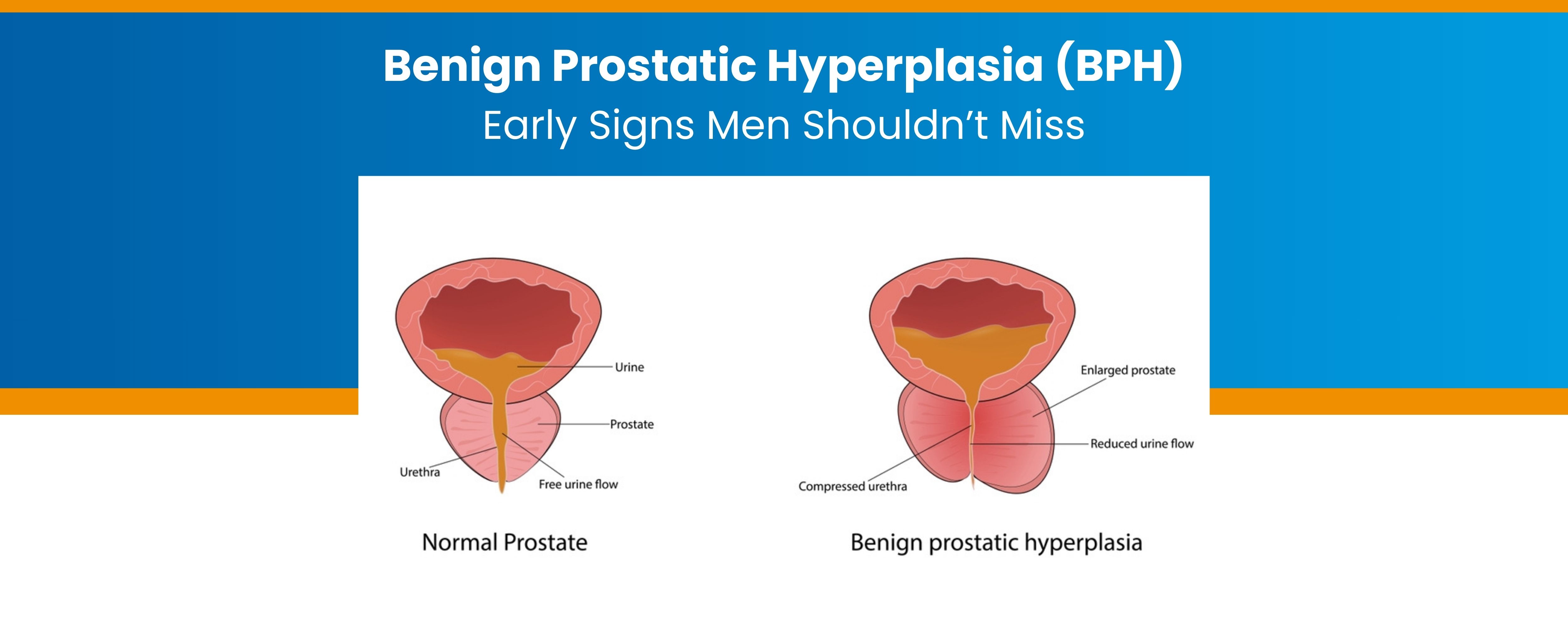
Men, are you ignoring your health? Are you having difficulty urinating? Are you getting a sudden, strong urge to urinate?
You are not alone. These problems are quite small and easy to ignore. But they can be early symptoms of BPH, also known as benign prostatic hyperplasia or Prostate Enlargement.
As you cross the age of 40, your prostate gland slowly increases in size. This can press against your urine pipe (urethra) and affect your normal urine flow. This can lead to:
-
Slow or poor urine stream
-
Difficulty starting urination
-
Frequent night urination
-
Sudden urgency
The earlier BPH is diagnosed, the sooner you can get your treatment.
At NU Hospitals, Bangalore, you will get specialized prostate care from experienced urologists. From tests such as PSA and ultrasound to advanced laser surgeries such as HoLEP, every step of your care is guided with compassion and clarity.
Read this blog to learn more about benign prostatic hyperplasia(BPH), BPH causes, and diagnosis.
What Is Benign Prostatic Hyperplasia (BPH)?
Meaning of Prostate Enlargement
Your prostate is a small, walnut-sized gland. It sits right under your bladder. Its job is to help make semen.
Prostate Enlargement happens when the cells in your prostate gland start to multiply. This causes your prostate to swell.
As your urethra runs through the middle of it, a swollen prostate can squeeze your urethra.
Is BPH the Same as Prostate Cancer?
BPH is benign, it means it is non-cancerous. It does not spread to your other organs.
Having benign prostatic hyperplasia does not increase your risk of getting prostate cancer. However, the symptoms can sometimes feel similar.
Why BPH Becomes Common After 40
Studies have shown that 50% of men in their 50s and up to 90% of men in their 80s experience Prostate Enlargement.
It is a part of the male aging process.
Early Signs of BPH Men Often Ignore
Recognizing the signs of BPH early can save you from a lot of discomfort later.
Poor or Slow Urine Stream
-
This is usually the first symptom that your prostate is squeezing the urethra.
-
Your urine stream is very slow, and it takes quite a long time to complete urination.
Difficulty Starting Urination
-
The hesitancy to start urination may be due to benign prostatic hyperplasia.
Frequent Urination, Especially at Night (Nocturia)
-
If you are waking up 3 or 4 times at night to urinate and you are not getting proper sleep.
-
This is one of the most frustrating symptom of BPH, as it affects your energy levels.
Feeling of Incomplete Bladder Emptying
-
You just went to the washroom, but you still feel you need to go again.
-
This happens as your bladder is unable to push all the urine past the obstruction.
Sudden Urge to Urinate
If leakage happens before you reach the toilet.
What Causes BPH?
Understanding what causes BPH helps to manage your expectations.
Hormonal Changes with Aging
-
As you age, the balance of estrogen and testosterone changes.
-
Higher levels of dihydrotestosterone (DHT) encourage your prostate cells to grow.
Family History & Lifestyle Factors
-
If your family has a prostate problem, you are more likely to get it too.
-
Genes play a significant role in how early your prostate enlargement starts.
Role of Obesity and Diabetes
-
Being overweight increases inflammation in your body, this can cause BPH symptoms to worsen.
-
Diabetes is also linked to a higher risk of Prostate Enlargement.
When Should You See a Urologist for BPH?
Don't wait until you are in total agony. Early BPH diagnosis makes sure you get treatment sooner.
Warning Signs That Need Medical Attention
-
Blood in your urine.
-
Pain or burning during urination.
-
Inability to pass urine
Symptoms That Affect Daily Life and Sleep
-
If you are planning your day around the nearest bathroom.
-
Poor sleep due to nighttime urination.
How BPH Is Diagnosed at NU Hospitals, Bangalore
At NU Hospitals, we have several tools for your BPH diagnosis.
Digital Rectal Examination (DRE)
A physical check by our doctor to examine the size and texture of your prostate.
Blood Investigations
A blood test to check for your renal function and sometimes alProstate-Specific Antigen levels.
Urine analysis
This will give information of any infection or blood in the urine
Ultrasound Prostate & Bladder
This allows our doctor to see the exact size of your gland and how much urine is left in your bladder.
Uroflowmetry and Post-Void Residual Test
You will need to urinate into a special machine that measures the speed and force of your urine stream.
Treatment Options for BPH
The best treatment for BPH depends on your symptoms and the size of your prostate.
Lifestyle Changes & Watchful Waiting
-
If your symptoms are mild, we might monitor you.
-
Reduce caffeine and alcohol, especially at night.
-
Double voiding, urinating, waiting a minute, and then trying again helps to empty your bladder.
Medications for Prostate Enlargement
-
Alpha-blockers relax the muscles in your prostate and bladder neck, making it easier to urinate.
-
5-alpha reductase inhibitors can shrink your prostate over time (applicable for prostate which are more than 40 gm).
-
A combination of the above 2 drugs are used for larger glands and only alpha blockers for smaller glands.
Minimally Invasive Procedures
If you don't want major surgery, there are minimally invasive procedures that use heat or implants to open your urethra.
Advanced Laser Surgery (HoLEP, TURP)
If medication is not enough, NU Hospitals specializes in advanced BPH treatment options:
-
TURP is a procedure where the inner part of the prostate is removed.
-
HoLEP (Holmium Laser Enucleation) is a highly effective laser surgery that is best for large prostates.
What Happens If BPH Is Left Untreated?
Ignoring prostate enlargement can be dangerous. It can lead to:
-
Urinary Retention & Infections
-
Bladder Damage & Kidney Problems
-
Impact on Quality of Life
Why Choose NU Hospitals Bangalore for BPH Treatment?
When it comes to your urinary system, you want the best. NU Hospitals, Bangalore, is a pioneer in nephrology and urology care. At NU Hospital’s you get:
-
Experienced Urologists & Laser Surgery Experts
-
Advanced Prostate Care & Day-Care Procedures
-
Proven Outcomes & Patient-Centric Care







