 Nephrology
 Urology
 Andrology
 Fertility (IVF)
 General Nephrology
 Paediatric Nephrology
 Dialysis
 Renal (Kidney) Biopsy
 CRRT
 Peritonial Dialysis
 Robotic Surgery
 Urinary Incontinence
 Uro-Oncology
 Laparoscopic Urology
 Reconstructive Urology
 Anaesthesiology
 Radiodiagnosis
 Nutrition and Dietetics
 Pediatric and Immunization
 Cardiology
 Intensive Care Unit




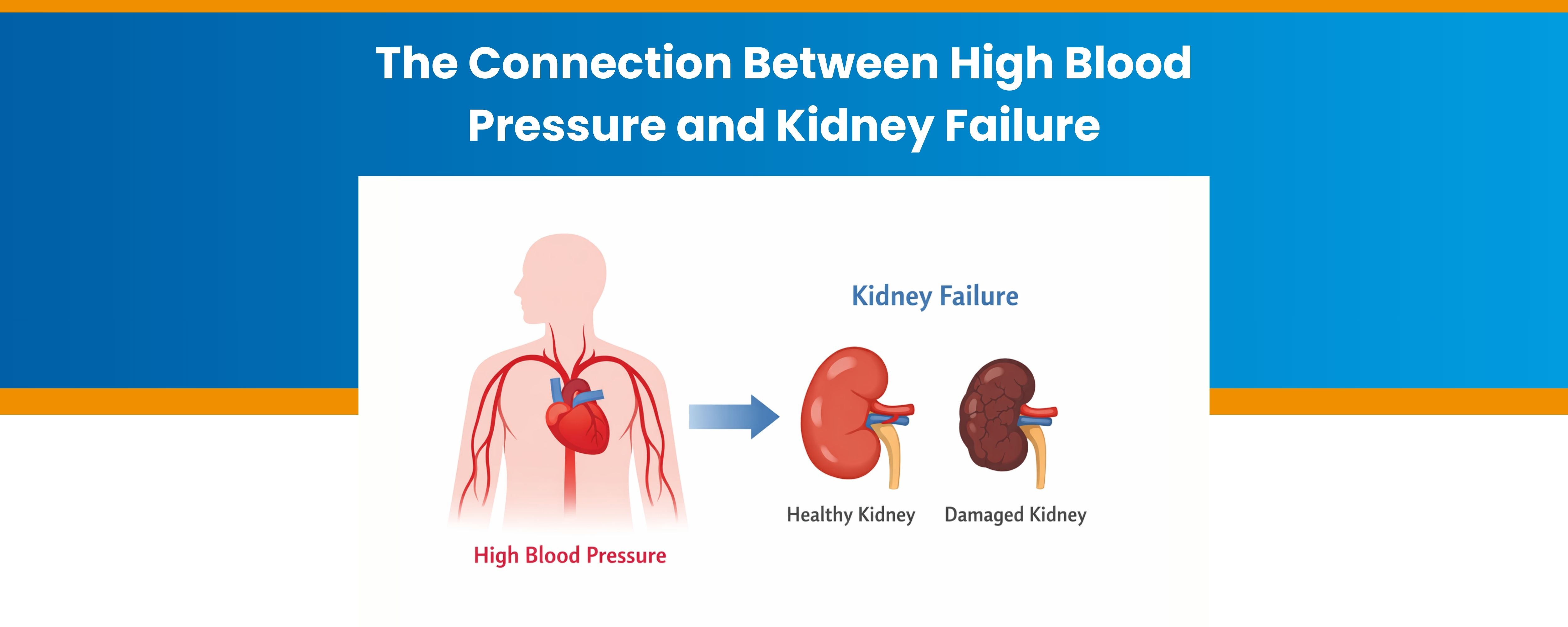
High blood pressure is often discovered by accident. A routine check, a visit for something unrelated, or a reading taken because someone felt slightly unwell. Many people are surprised when they hear the numbers are high, especially if they feel otherwise fine. Life continues as usual, medicines are prescribed, and over time, the condition becomes part of the background.
What is less visible is what long-standing high blood pressure can do quietly inside the body. Among the organs affected, the kidneys are especially sensitive. Doctors at NU Hospitals often see patients who feel well for years, only to later discover that kidney function has slowly declined without obvious warning signs. Damage does not happen overnight, and symptoms rarely appear early.
Understanding this connection explains why doctors place so much importance on blood pressure control, even when patients feel well. Early monitoring and consistent management can make a significant difference long before serious kidney problems develop.
How the Kidneys Depend on Healthy Blood Flow
The kidneys need steady, healthy blood flow to do their work properly. Blood moves through them all the time, and this happens through very fine vessels. These vessels are not built to handle constant pressure. When blood pressure remains high for years, it gradually changes how blood flows through the kidneys. There is no pain and no early warning, but the kidneys gradually lose efficiency. This is how blood pressure begins to affect kidney health.
When High Blood Pressure Becomes a Kidney Problem
Over time, high blood pressure can affect kidney health, and kidney damage can quietly worsen blood pressure. As pressure damages the kidneys, their ability to control fluid and hormone balance weakens, making blood pressure more difficult to manage. This can cause blood pressure to rise further, placing even more strain on the kidneys.
This cycle can continue slowly and quietly.
In the early stages, the only signs may be small changes in blood or urine tests. Protein may appear in the urine. Creatinine levels may rise slightly. These changes are easy to miss if testing is not done regularly.
Over time, this process is described as hypertension, causing kidney disease. It is not sudden kidney failure but a gradual loss of kidney function caused by long-standing pressure damage.
Kidney Damage from Hypertension Happens Slowly
One of the reasons kidney damage from hypertension is so often advanced by the time it is diagnosed is the pace at which it develops. Unlike infections or injuries, this kind of damage does not cause sudden illness.
People may feel tired and assume it is age or lifestyle. Mild swelling may come and go. Blood pressure medicines may need adjustment more often. None of these signs feels urgent on its own.
As a result, many patients become aware of kidney involvement only when tests show a clear decline in function. At that point, the focus shifts from prevention to slowing further damage.
How Kidney Failure Can Develop Over Time
Kidney problems related to high blood pressure typically develop over many years. Over time, repeated pressure damages small filtering structures, reducing the kidneys' ability to perform their work. As this decline progresses, the body has more difficulty maintaining normal fluid and chemical balance.
Swelling may start to appear in the legs or around the face as fluid builds up. Blood pressure can also become harder to control, even with more than one medicine. As kidney function worsens, feeling constantly tired becomes more common. Appetite may reduce, and sleep may be affected.
Not everyone with high blood pressure reaches this stage. Many people maintain stable kidney function for decades. The difference often lies in how early the condition was recognised, how consistently treatment was followed, and whether other risk factors were present.
Who Is More Likely to Be Affected
Factors that increase the risk of kidney damage from high blood pressure include:
-
Long-standing high blood pressure that remains poorly controlled over time
-
Irregular medical follow-up or stopping blood pressure medicines without medical advice
-
Co-existing conditions such as diabetes, obesity, heart disease, or smoking, which place added stress on blood vessels
-
A family history of kidney disease or hypertension, which may increase susceptibility
-
Increasing age, as blood vessels naturally lose elasticity and become more sensitive to pressure changes
For this reason, doctors consider overall health, lifestyle habits, and medical history when assessing kidney risk, not just blood pressure readings.
Preventing Kidney Failure in High BP Patients
Preventing kidney failure in high BP patients is rarely about a single decision or medicine. It is about consistency over time.
Blood pressure targets are set based on age, kidney function, and overall health. Medicines are adjusted gradually. Sudden changes are avoided unless necessary.
Lifestyle measures support medical treatment. Reducing salt intake helps lower fluid retention. Regular physical activity improves circulation. Maintaining a stable weight reduces stress on both the heart and kidneys.
Equally important is monitoring. Periodic blood and urine tests allow doctors to detect early kidney changes and adjust treatment before damage progresses.
Medicines and Kidney Protection
Some blood pressure medicines offer additional protection to the kidneys by reducing pressure within the filtering units themselves. These medicines are carefully selected, especially when kidney function has already begun to decline.
Treatment plans are individual. What suits one patient may not suit another. Follow-up visits allow doctors to balance blood pressure control with kidney safety.
Missing doses or stopping treatment on your own can quietly reverse the improvement built up over months or even years. That’s why taking medicines exactly as prescribed remains important, even during periods when symptoms seem under control.
Living with High Blood Pressure and Kidney Changes
Once the kidneys are affected, management usually becomes more organised and long-term. The focus shifts to slowing further damage while helping patients maintain a comfortable, active life.
Diet plans often emphasise cutting back on salt and choosing well-balanced meals. Gentle physical activity is encouraged according to individual tolerance. Alongside physical care, emotional support plays a key role, as ongoing health conditions can gradually affect mental well-being as well.
Many patients benefit from coordinated care that looks at blood pressure, kidney function, and heart health together rather than in isolation.
Why Early Awareness Matters
Patients who have been diagnosed with high blood pressure must understand that the condition comes with its own set of problems. Many people associate high blood pressure mainly with heart problems, but it can also quietly affect other organs, including the kidneys. Understanding its wider impact on the body helps individuals seek care earlier and pay closer attention to their health before lasting damage develops.
Early conversations allow realistic expectations and long-term planning. Small adjustments made early often have the greatest impact over time.
Care Perspective at NU Hospitals
At NU Hospitals, doctors ensure that patients understand the overall impact of high blood pressure. We have advanced tools and expert guidance to help patients deal with their existing conditions and maintain optimal health. People with high blood pressure are usually checked periodically to see how their kidneys are functioning. Treatment is reviewed regularly and adjusted as needed. The aim is to keep blood pressure steady, spot any kidney changes early, and reduce the risk of long-term kidney problems.
Conclusion
The connection between high blood pressure and kidney failure is well established, but progression is not inevitable. Unfortunately, not many people know that hypertension-causing kidney disease exists. High blood pressure can place steady strain on the kidneys over time, and early on, this may happen without any obvious warning signs. Understanding this link shows why regular checkups and consistent treatment are important. When blood pressure stays under control, the kidneys are placed under less strain, and the risk of complications reduces. It is not just about medicines or one good reading, but about caring for kidney health over time.
Sudden increases in blood pressure can cause sudden worsening of kidney function, that is acute kidney injury. This may be reversible over a period of time with good blood pressure control. Sometimes this sudden worsening of kidney function may not improve especially if the person already has pre-existing chronic kidney disease. That is why it is important to have blood pressure always under control. This type of accelerated blood pressure is common if patients suddenly stop taking their blood pressure medications.








