 Nephrology
 Urology
 Andrology
 Fertility (IVF)
 General Nephrology
 Paediatric Nephrology
 Dialysis
 Renal (Kidney) Biopsy
 CRRT
 Peritonial Dialysis
 Robotic Surgery
 Urinary Incontinence
 Uro-Oncology
 Laparoscopic Urology
 Reconstructive Urology
 Anaesthesiology
 Radiodiagnosis
 Nutrition and Dietetics
 Pediatric and Immunization
 Cardiology
 Intensive Care Unit




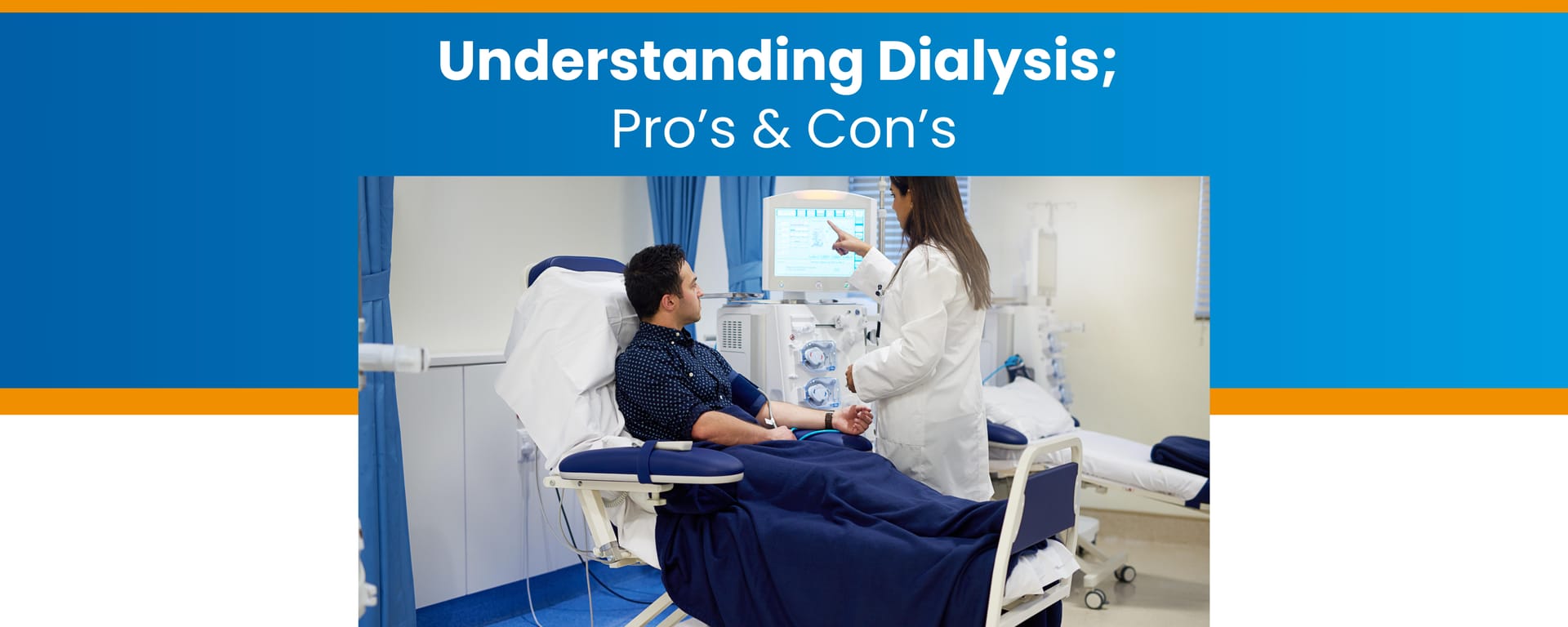
Each year, several families across India quietly face the life-altering diagnosis of chronic kidney disease (CKD).
Being diagnosed with CKD can feel scary. Your entire reality can change within seconds. From fear to uncertainty, questions will flood your mind.
Today, CKD affects over 16.38% of Indians. More than 100,000 new cases of kidney failure are reported annually, and sadly, over 1.18 million lives are lost to this silent disease every year.
Once diagnosed with kidney failure, dialysis becomes a lifeline for many. While this can feel scary and unfamiliar at first, dialysis offers you hope. It offers you time. It offers you a second chance to live life with your loved ones.
At NU Hospitals, Bangalore, we are committed to walking this path with you. We have helped thousands of patients rediscover joy, strength, and quality of life with a CKD diagnosis. Whether you are newly diagnosed, supporting a loved one, or seeking clarity about treatment options, you are not alone.
Understanding your dialysis options is the first step towards taking control of your health. We will guide you through the different types of dialysis and help you make the best choices for you and your family.
What is Dialysis?
Are you diagnosed with CKD? Are your kidneys no longer filtering waste adequately? Then dialysis may be your ray of hope.
Dialysis is a treatment that helps to remove waste products and excess fluid from your blood when your kidneys are no longer functioning. It performs all the essential filtering functions that your body needs to stay healthy.
There are two different types of dialysis:
-
Hemodialysis
-
Peritoneal Dialysis
By understanding these dialysis options, you can now take the first step towards managing your kidney health.
What are the different Types of Dialysis
There are two main types of dialysis:
1. Hemodialysis
In hemodialysis, your blood is filtered outside your body. It is done with the help of a special machine and a filter (dialyzer). After your blood is filtered, it is returned to your body.
2. Peritoneal Dialysis
In peritoneal dialysis, your blood is cleaned inside your body. This is done using the lining of your abdomen (peritoneum) as a natural filter.
Hemodialysis vs Peritoneal Dialysis: What is Best for You
Features |
Hemodialysis |
Peritoneal Dialysis |
Location |
Dialysis center |
Home, work, or while traveling |
Frequency |
3 times a week (3–5 hours session) |
Daily (multiple exchanges or overnight) |
Flexibility |
Less flexible, fixed schedule due to center visits. |
More flexible scheduling can fit into your daily routine. |
Cost |
Generally higher |
Lower than haemodialysis |
Pros and Cons of Hemodialysis and Peritoneal Dialysis
Both hemodialysis vs peritoneal dialysis offer different advantages. Compare the features and consult with your nephrologist before choosing an appropriate dialysis for you.
1. Hemodialysis
Pros:
-
Professional supervision at the dialysis centers.
-
Less frequent sessions(usually 3 times a week)
-
Home hemodialysis is possible for certain patients.
-
During an emergency, medical help can be accessed quickly.
Cons:
-
Fixed schedule and less flexibility.
-
Requires visits to the dialysis center. (three times a week)
-
Strict diet with fluid restrictions.
-
A permanent access site is required. Preferably in the arm for adults and the neck or chest area for children.
-
Access sites are at risk for infection.
-
Possible side effects you may experience are low blood pressure, cramps, and nausea.
2. Peritoneal Dialysis
Pros:
-
Greater flexibility and independence.
-
Better energy levels.
-
No needles required.
-
Can be done at home, work, or while traveling.
-
Gentler and continuous filtration.
-
Lesser dietary restrictions.
-
Lower risk of infection at the access site.
-
No travel restriction.
-
Better preservation of remaining kidney function.
-
Not required to travel for dialysis sessions.
-
Flexible scheduling of the dialysis sessions.
Cons:
-
Higher risk of abdominal infection.
-
Required daily commitment. 7-day treatment at home.
-
Strict self-management and should be trained to perform peritoneal dialysis.
-
A permanent catheter is installed outside your body.
-
Not suitable for everyone.
-
Possible weight gain, hernia, or abdominal discomfort.
-
It requires a larger installation space in your home.
In India, hemodialysis is the most common form of dialysis. It is used by 94% of patients, while only 6% use peritoneal dialysis.
At NU Hospitals, our team will work very closely with you to explain all dialysis options and help you choose the path that meets your needs and goals.
Life on Dialysis
Living with dialysis will require you to make several adjustments to your current life.
However, this does not mean that you can't live a fulfilling life. Many people continue to work, travel, and enjoy their hobbies while being on dialysis.
With some adjustments made to your lifestyle along with regular appointments with your nephrologist, you can effectively balance your life on dialysis.
Being diagnosed with kidney failure can be a difficult feeling. During such times, dialysis is a second chance that helps you take control of your health, your time, and your life.
Whether you are new to the world of dialysis or you are seeking a second opinion, our team at NU Hospitals is here to guide you. At NU Hospitals, we understand your fears and vision while making each medical decision. Whether you are exploring dialysis options or searching for “dialysis centers in Bangalore,” let us help you take the next step with confidence.
Explore your dialysis options with NU Hospitals and book a consultation today.








