 Nephrology
 Urology
 Andrology
 Fertility (IVF)
 General Nephrology
 Paediatric Nephrology
 Dialysis
 Renal (Kidney) Biopsy
 CRRT
 Peritonial Dialysis
 Robotic Surgery
 Urinary Incontinence
 Uro-Oncology
 Laparoscopic Urology
 Reconstructive Urology
 Anaesthesiology
 Radiodiagnosis
 Nutrition and Dietetics
 Pediatric and Immunization
 Cardiology
 Intensive Care Unit




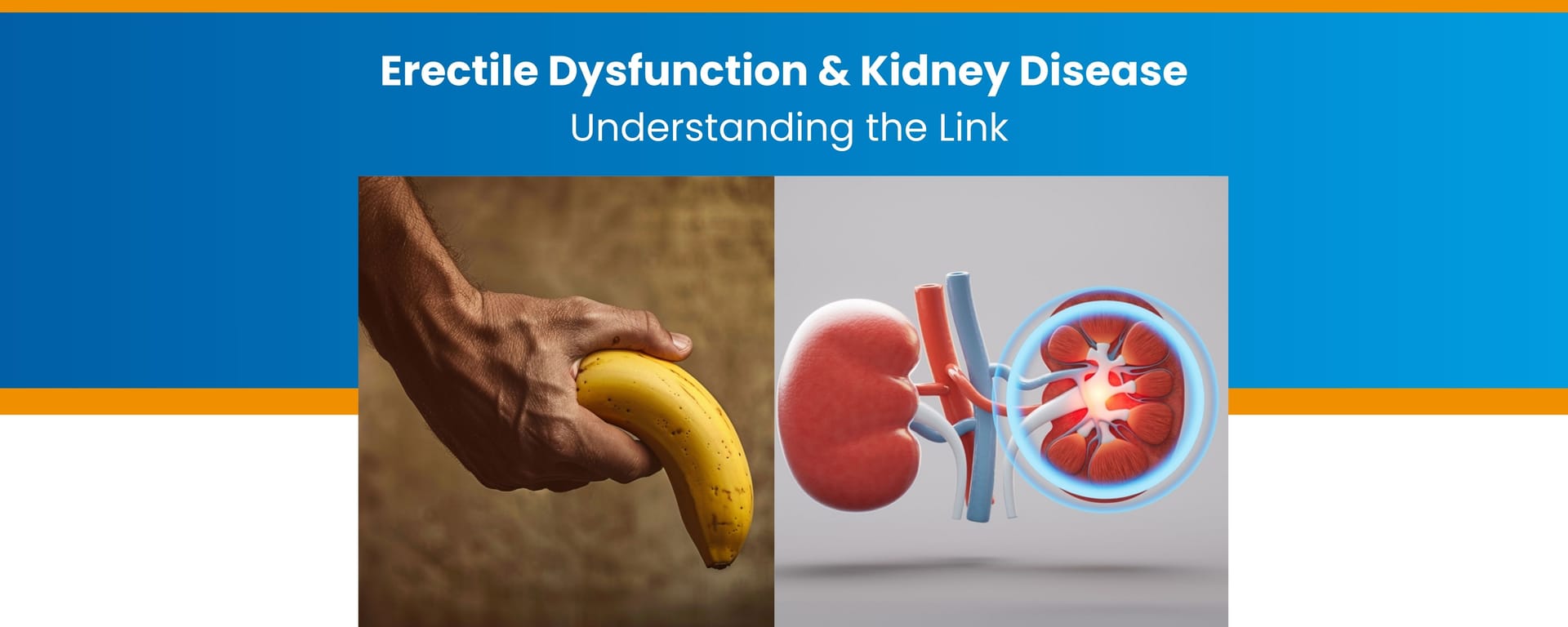
Erectile dysfunction is a complex, common, yet frequently ignored complication of progressive renal failure. For men with chronic kidney disease (CKD), declining renal function leads to systemic changes that impair both libido and erectile performance. NU Hospitals – Men’s Health & Renal Integration provides a detailed, comprehensive care programme through the collaboration of urologists and nephrologists.
This multidisciplinary framework ensures that renal health and sexual wellness are managed as a single, integrated priority. By offering this level of detailed care, we at NU Hospitals ensure that every aspect of a patient's well-being, including their intimate health, is supported by an expert, coordinated medical strategy.
Understanding Chronic Kidney Disease and Systemic Effects
Kidney disease is a progressive illness where renal waste filtration and hormonal balance eventually fail. As the condition reaches the stage of kidney failure, the buildup of toxins provides a definitive reason for the systemic disruption of the vascular and nervous systems. These systems are essential for maintaining healthy erectile function in men.
When kidney disease impairs these systems, achieving an erection becomes difficult. Hormonal imbalances and nerve damage are primary contributors. Consequently, erectile dysfunction is very common in men with CKD, typically worsening as renal function declines. This concise summary clarifies that sexual health issues are associated with the systemic disturbances caused by renal decline.
The link between the two ensures that as the disease advances, the physical symptoms of sexual dysfunction become more apparent and harder to manage without targeted medical intervention and a comprehensive understanding of the underlying renal pathology.
Why Erectile Dysfunction Is Common in CKD
Erectile function depends on three key elements:
-
Clear blood vessels
-
Normal hormone levels
-
Healthy nerve signals
Chronic kidney disease interferes with each of these components.
1. Vascular Impairment
The strategy involves managing CKD-related atherosclerosis and endothelial dysfunction to maintain the vessel’s ability to dilate. Penile arteries are small, making them the first area affected by vascular narrowing.
In many cases, erectile dysfunction appears as an early sign of kidney failure, occurring before other major symptoms are noticed by the patient.
2. Hormonal Disturbances
The link between renal health and libido is definitive. Testosterone deficiency is a recogised consequence of failing kidney endocrine pathways. Zinc deficiency, common in dialysis, further impairs testosterone production. This results in fatigue and erectile weakness.
3. Neurological Effects
The accumulation of uremic toxins acts as a neurotoxin in advanced failure, disrupting nerve transmission. In diabetic patients, we must also diagnose neuropathy, which impairs the erectile neural pathways.
4. Psychological Factors
We must focus on the psychological impact of CKD. The serious mental toll of dialysis and chronic illness leads to depression and anxiety, which often devastates a patient’s self-confidence and intimate life.
ED–CKD Connection by Cause
Cause Type |
Mechanism in CKD |
Effect on Erectile Function |
Vascular |
Atherosclerosis, endothelial dysfunction, and hypertension |
Reduced penile blood flow |
Hormonal |
Testosterone deficiency, zinc deficiency |
Low libido, reduced erection quality |
Neurological |
Uremic toxins, diabetic neuropathy |
Impaired nerve signalling |
Psychological |
Psychological impact of CKD, anxiety, and depression |
Reduced desire and performance anxiety |
Kidney Failure and Sexual Performance in Males
Kidney failure and sexual performance in males are linked through several physical pathways. As kidney function declines, the body struggles to balance hormones and maintain proper blood flow. This leads to common issues in advanced kidney disease:
-
Severe hormonal disruption
-
Persistent anaemia and fatigue
-
Fluid retention and cardiovascular strain
-
Increased systemic inflammation
For those on dialysis, achieving intimate wellness is a key goal that requires medical support. We must treat erectile dysfunction as a sign of kidney failure, a strategic early indicator that can lead to faster diagnosis. Because vascular changes are often the earliest signs of renal distress, sexual health monitoring is a powerful diagnostic tool.
Men with high-risk factors like diabetes or heart disease should be screened for kidney issues if erectile problems become persistent. This goal-oriented approach ensures that sexual health is not sidelined, but used as a strategic marker to improve early detection of kidney failure and provide the targeted management needed to restore a patient’s overall health and personal confidence.
Low Libido and Chronic Kidney Disease
Kidney patients regularly encounter reduced sexual desire. Outside of hormonal imbalances, primary drivers of this condition include:
-
Depleted energy reserves
-
Fragmented sleep cycles
-
Side effects from diuretics
-
Relationship-related stress
Addressing these issues holistically can significantly improve sexual health in CKD.
Treatment Approaches in CKD-Related ED
Management is to be tailored to the kidney stage and cardiovascular risk. For patients in advanced stages, safety and effectiveness must be balanced. Coordinated care between urology and nephrology is the standard for protecting renal and sexual health.
Lifestyle Modification
-
Regular physical activity
-
Smoking cessation
-
Healthy weight maintenance
-
Optimal blood pressure and glucose control
Lifestyle changes are essential. Exercise improves blood flow by boosting nitric oxide, which helps with erections. Stopping smoking protects your blood vessels, and losing weight helps control inflammation and hormones. Managing your blood pressure and blood sugar is the most important step for both your kidneys and your sexual health.
Hormonal Evaluation and Therapy
If you have low testosterone, hormone therapy can help improve your sex drive. Doctors must regularly check these levels, especially for those suffering from low libido and chronic kidney disease, to ensure the treatment is effective.
Oral Medications (PDE5 Inhibitors)
ED medication doses must be adjusted for those with kidney issues. For example, Tadalafil for kidney patients is prescribed at lower doses. This ensures the drug is safe and effective under the supervision of medical specialists.
Penile Injections
Penile injections should be carefully administered if there is associated bleeding disorders
Penile Implant Surgery
Penile implant surgery can be safely done in CKD and in patients who have undergone renal transplantation, after a combined discussion with nephrologist and a urologist.
ED Medications by Kidney Stage
CKD Stage |
Medication Considerations |
Stage 3 (Moderate CKD) |
Standard PDE5 inhibitors may be used with cautious dose adjustment |
Stage 4–5 (Severe CKD) |
Lower starting doses recommended; close monitoring required |
Dialysis |
Selected PDE5 inhibitors may be used carefully; strict medical supervision is essential |
Medication safety should always be evaluated by both a nephrologist and a urologist.
Impact of Kidney Transplantation on Sexual Health
A successful kidney transplant offers a renewed opportunity for patients to reclaim their sexual health. By restoring the kidneys' filtration capacity, the body clears uremic toxins, which in turn helps stabilise hormone levels and boosts energy. Men often observe a significant improvement in erectile function and confidence as testosterone levels and cardiovascular health begin to normalise.
It is important to note, however, that transplantation is not a universal cure for sexual difficulties. Long-term vascular complications, such as advanced atherosclerosis, may continue to impede blood flow. Additionally, the emotional impact of managing a chronic condition for years does not disappear overnight, necessitating a professional support system.
Sexual dysfunction in CKD females is a critical issue that demands equal clinical focus. Women frequently encounter reduced libido, fertility issues, and hormonal imbalances that affect their intimate lives. A polished and comprehensive care model must be gender-inclusive, ensuring that sexual health is integrated into the post-transplant recovery plan. By addressing the vascular, hormonal, and psychological needs of all patients, healthcare providers can ensure a more successful and holistic transition back to a healthy, active life.








