Nephrology
 Urology
 Andrology
 Fertility (IVF)
 General Nephrology
 Paediatric Nephrology
 Dialysis
 Renal (Kidney) Biopsy
 CRRT
 Peritonial Dialysis
 Robotic Surgery
 Urinary Incontinence
 Uro-Oncology
 Laparoscopic Urology
 Reconstructive Urology
 Anaesthesiology
 Radiodiagnosis
 Nutrition and Dietetics
 Pediatric and Immunization
 Cardiology
 Intensive Care Unit





Are you noticing foamy urine or bubbles in your urine? Your kidneys may be at risk.
Foam in urine can often be quite easy to miss or ignore. It may be an indication of something more serious. Your urine can say more about your health than you think.
Little foam in your urine can be quite normal. However, if you are noticing foamy urine regularly, it can be concerning.
Studies show that 1 in 5 adults will experience foamy urine at some point in their lives. Foamy urine may be a symptom of a kidney problem.
If you have been noticing foam in your urine, it is time to consult a specialist. NU Hospitals is a leading urology and nephrology hospital. We help you with all your concerns, such as bubbles in urine.
Follow through this blog to know more about foamy urine causes, symptoms, and treatment.
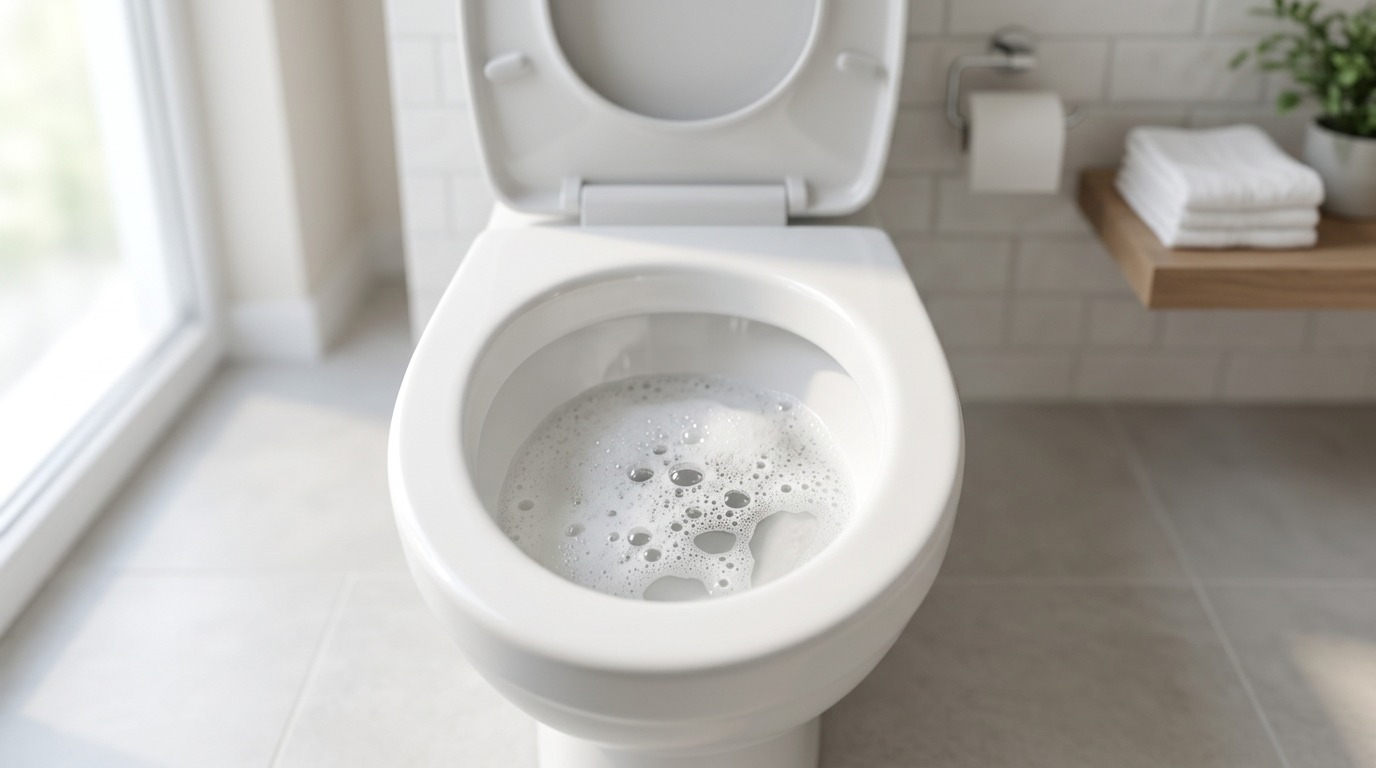
Common Causes of Foamy Urine: From Normal Variations to Serious Kidney Conditions
Foam in your urine can have different causes. It is not always serious.
-
Rapid urination or concentrated urine due to dehydration
This is one of the most common causes of foamy urine. Foam can appear due to:
-
-
Dehydration
-
If you urinate with force
-
If you have been holding urine too long
-
If you have exercised intensely
-
If you have too much caffeine or salty foods
-
-
Presence of excess protein in the urine- signals kidney issues
Frothing of urine/Foaming may be a sign of protein leak in the urine
What causes proteinuria and why it matters for kidney health
Proteinuria starts appearing when there is some damage going on within the tiny filters in the kidney called glomeruli. This is the earliest sign of kidney disease
-
Urinary tract infections and inflammation
Infections can sometimes alter your urine composition. This can lead to foam.
Infections that contribute to foamy urine and its management
-
-
UTIs, prostatitis, or cystitis can change your urine composition.
-
Symptoms such as burning urination, frequent urges, or cloudy urine are often seen with UTI-related foamy urine.
-
UTI treatment usually involves antibiotics prescribed by our doctor.
-
-
Underlying diabetes, hypertension, or kidney disease
Chronic conditions also play a role in your kidney health.
-
How chronic diseases impact urine composition and kidney function
-
Diabetes causes sugar and protein leak in your urine.
-
Hypertension weakens your kidney blood vessels.
-
Recognizing Symptoms That Accompany Foamy Urine
Little foam in your urine can be normal. However, if you notice any other symptoms, it can be alarming.
-
Swelling in legs, face, or hands (edema)
Protein loss can often lead to fluid retention and swelling.
-
Changes in urine color or frequency
Darker urine, blood in urine, or urinating too much or too little.
-
Associated fatigue, high blood pressure, or unexplained weight loss
Fatigue, weight loss, and high BP can also indicate kidney issues or other chronic conditions.
How NU Hospitals Diagnoses the Cause of Foamy Urine
At NU Hospitals, we follow a thorough diagnostic approach. This helps our doctors to find the right cause of foamy urine for you.
-
Urine analysis
This test helps to detect any protein leak, RBCs (hematuria/blood in the urine), pus cells (may be indicative of infection)
-
24-hour urine protein quantification for precise assessment
This is a confirmatory test, to quantify exact amount of protein leak in urine over 24 hours
-
Blood tests evaluating kidney function including Serum Creatinine, BUN, eGFR
These tests help to see how well your kidneys filter blood.
-
Imaging such as kidney ultrasound or CT scan as required
These imaging tests are used to detect any:
-
-
Kidney obstruction
-
Stones
-
Structural abnormalities
-
-
Kidney biopsy in select complicated cases for definitive diagnosis
In some complicated situations, a kidney biopsy can be done. This gives a proper diagnosis of the specific type of kidney disease you may be suffering from.
Treatment Options Tailored to the Underlying Cause
Your foamy urine treatment will depend on the cause of your foamy urine:
-
Hydration management and lifestyle modifications
-
Drink an adequate amount of water.
-
Cut down on processed food and your salt intake.
-
Limit caffeine.
-
Avoid holding your urine for too long.
-
-
Medication and control strategies for diabetes and hypertension
Managing your diabetes and hypertension is very important for your kidney protection.
-
Specific therapies for diagnosed kidney diseases causing proteinuria
Our nephrologists will use the best treatment to help you manage any underlying condition.
When to Seek Immediate Medical Care for Foamy Urine
Visit the best nephrologist at NU Hospitals if you experience any of these extreme symptoms.
-
Foamy urine lasting beyond a few days with swelling and high blood pressure
-
Dark or bloody urine accompanied by severe pain
-
Sudden change in the character of urine- dark coloured/tea coloured urine, red urine
-
Systemic symptoms like nausea, vomiting
These symptoms suggest immediate medical attention.
Lifestyle Tips to Support Kidney and Urinary Health
By making a few healthy lifestyle changes, you can support your kidney and urinary health.
-
Maintain adequate hydration adapted to Bangalore climate
Drink an adequate amount of water, especially in hot weather.
-
Balanced, low-sodium diet avoiding nephrotoxic substances
Reduce your salt intake or any medications that can harm your kidneys.
-
Regular kidney health screenings, especially if at risk
If you have diabetes, hypertension, or a family history of kidney disease, go for regular check-ups.