 Nephrology
 Urology
 Andrology
 Fertility (IVF)
 General Nephrology
 Paediatric Nephrology
 Dialysis
 Renal (Kidney) Biopsy
 CRRT
 Peritonial Dialysis
 Robotic Surgery
 Urinary Incontinence
 Uro-Oncology
 Laparoscopic Urology
 Reconstructive Urology
 Anaesthesiology
 Radiodiagnosis
 Nutrition and Dietetics
 Pediatric and Immunization
 Cardiology
 Intensive Care Unit





Don't ignore the health of your kidneys' filters. Glomerular disease attacks the tiny units that clean your blood, causing inflammation and scarring. When these filters fail, they leak vital proteins and allow waste to accumulate, leading to kidney failure. This disease doesn't discriminate by age; it can strike anyone, either overnight or over several years. The stakes are high: untreated damage often leads to permanent chronic kidney disease. Your priority must be early recognition. If you suspect an issue, get a diagnosis immediately. Proper treatment is the only way to stop the progression and keep your kidneys functioning.
How do Glomeruli work in your kidneys?
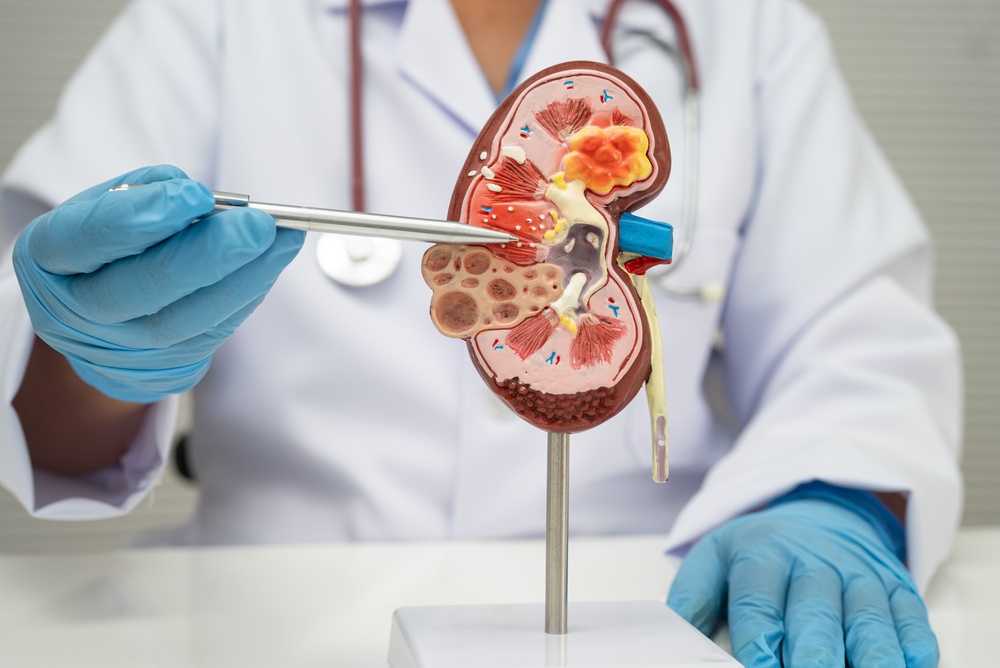
Your kidneys filter blood using one million tiny units called nephrons. Inside each nephron, a glomerulus (capillary cluster) sits in Bowman’s capsule. Blood flows in through the afferent arteriole under pressure. This pressure pushes water, salt, and sugar out into the capsule to start the cleaning process. Large items, such as blood cells, remain in the pipes.
The resulting fluid then travels through tubules, where the kidney grabs back what it needs and turns the rest into urine. This isn't just about waste; it’s how your body controls blood pressure and electrolyte levels. It is a high-speed, high-stakes sorting system that never stops working for your health.
How does it impact your kidney functions?
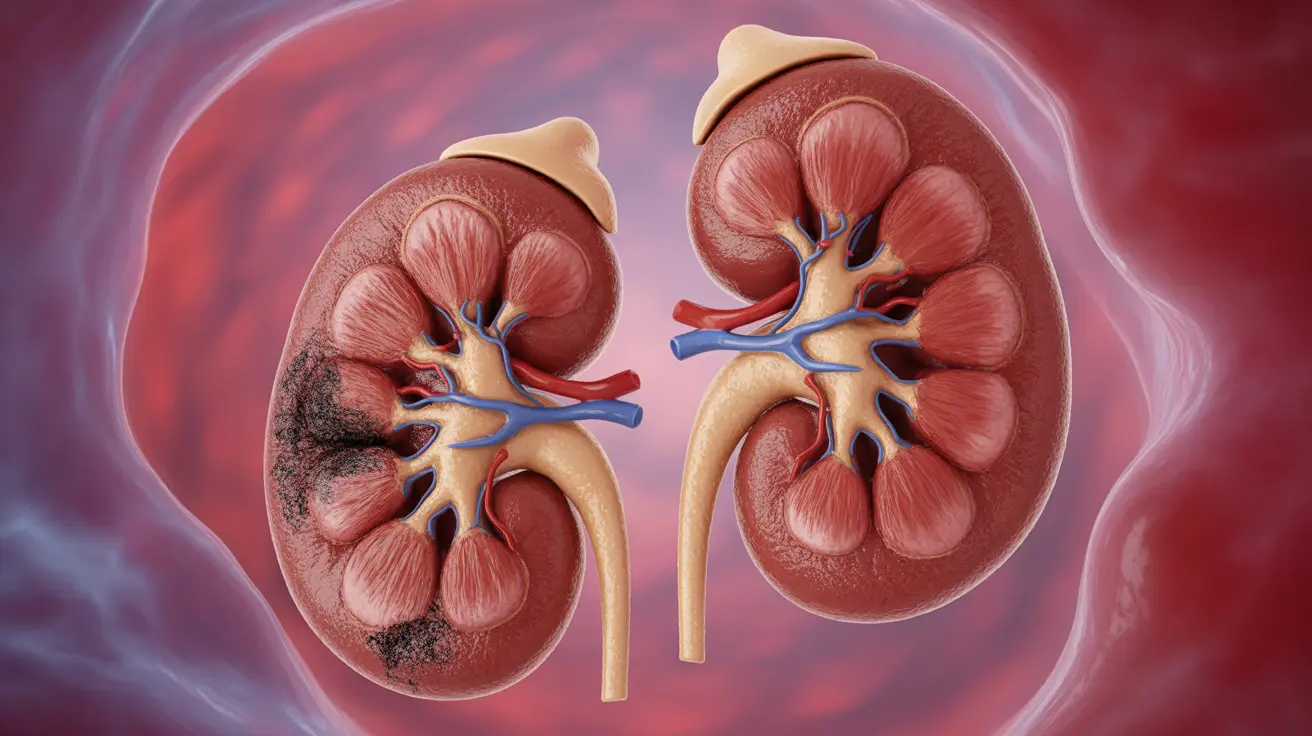
If your glomeruli are damaged, your kidneys are failing their most basic task. They start leaking essential protein into your urine while trapping "bad" waste in your blood. This isn't just a kidney issue, as it affects your whole body. You’ll see fluid buildup and a dangerous spike in blood pressure.
The real danger is scarring. Once these filters develop scar tissue, they are gone forever. Fewer working nephrons mean a faster slide toward chronic kidney disease. You must act to stop the damage before the scarring becomes permanent and your body loses its ability to stay balanced.
Symptoms & Causes of Glomerular Disease
Symptoms
The symptoms of glomerular disease vary depending on the type, severity, and rate of progression. In the early stages, some individuals may experience no noticeable symptoms. As the condition advances, common signs may include:
-
Foamy or frothy urine, indicating protein in the urine
-
Blood in the urine, which may appear pink, red, or cola-coloured
-
Swelling of the face, hands, feet, or ankles due to fluid retention
-
High blood pressure
-
Reduced urine output
-
Fatigue and weakness
-
Loss of appetite or nausea
In more severe cases, symptoms related to declining kidney function, such as shortness of breath or confusion, may occur.
Causes
Glomerular disease is either primary or secondary. Primary disease starts in the kidneys (like IgA nephropathy), while secondary disease stems from other health issues, such as:
-
Diabetes or high blood pressure
-
Lupus and autoimmune flares
-
Serious infections
-
Overuse of NSAIDs
-
Genetic factors
You must identify the root cause immediately. Whether the problem is localised or systemic determines your entire treatment plan. Work with your doctor to run the necessary tests and uncover the underlying trigger to protect your kidneys effectively.
Diagnosis and tests for Glomerular Disease
To identify glomerular disease, your doctor will perform a targeted series of tests. They start by reviewing your history for red flags such as diabetes or recent infections. You should expect the following:
-
Urine tests: These look for protein or blood that shouldn't be there.
-
Blood tests: These measure your eGFR and creatinine to assess whether your filters are failing.
-
Blood pressure monitoring: High readings constitute a significant warning sign.
-
Imaging studies: An ultrasound will be used to assess whether your kidneys appear physically normal.
-
Kidney biopsy: This serves as the definitive diagnostic procedure. Microscopic evaluation of renal tissue allows for the classification of the disease (e.g., focal segmental glomerulosclerosis). It provides definitive information about the type and extent of glomerular damage, enabling them to build the perfect treatment plan just for you!
Treatment & Management for Glomerular Disease
Treating glomerular disease requires a targeted plan based on the cause and speed of damage. Your doctors aim to stop symptoms and protect your kidneys from further decline.
Medical treatment
Essential medications include:
-
Blood pressure–lowering drugs: Use ACE inhibitors or ARBs to stop protein leakage and shield the kidneys.
-
Immunosuppressive medications: If your immune system is attacking your kidneys, use these prescribed medications to reduce swelling and prevent further damage to your kidneys.
-
Diuretics: These will help you get rid of the extra fluid causing your swelling.
-
Cholesterol-lowering medications: Manage high cholesterol that often occurs when the kidneys lose protein.
Following this regimen is critical to preventing kidney failure and maintaining systemic health.
Lifestyle and supportive care
Lifestyle changes are vital for managing glomerular disease and maintaining kidney health.
-
Diet: Control salt and protein intake to reduce fluid and ease the workload on the kidneys.
-
Blood Sugar: Diabetics must maintain healthy glucose levels to prevent accelerated damage.
-
Safety: Avoid kidney-harming medications, such as certain pain relievers and supplements.
-
Monitoring: Regularly track kidney function and blood pressure with a provider.
- Quit Smoking: By quitting smoking, the risks of developing severe kidney issues are reduced.
Consistent management detects changes early. By combining these measures, patients can significantly slow disease progression and preserve vital kidney function for the long term.
Does it result in kidney failure?
Glomerular disease does not always lead to kidney failure. Early treatment is highly effective for many. However, you must stay vigilant because progressive forms can cause permanent damage over time.
If scarring destroys too many glomeruli, your kidneys will stop filtering blood adequately. This leads to end-stage kidney disease, where you will need dialysis or a kidney transplant to survive.
What determines your risk is specific. Your outcome depends on the disease type, your response to treatment, and your overall health profile. Managing conditions like diabetes or hypertension is non-negotiable. Stay proactive with your medical team to reduce your risk and stop progression before it becomes life-threatening.
How to Prevent Glomerular Disease
You cannot prevent every form of glomerular disease, but you can take these practical steps to reduce your risk or slow kidney damage:
-
Control your numbers: Keep a tight grip on your blood pressure and blood sugar. These are the top causes of kidney failure. Use medication and diet to protect your filters.
-
Infection Protocols: Follow a fast-treatment plan for all infections. Early care reduces inflammation, helping ensure your kidneys remain free of autoimmune-related involvement.
-
Watch your painkillers: Stop overusing legacy drugs like NSAIDs; they are known to impair kidney function, and we must move toward safer alternatives.
-
Diet: You need a balanced diet low in salt and processed foods to control your blood pressure and reduce the strain on your body.
-
Exercise: Statistics show that staying active and managing weight are the only reliable ways to prevent metabolic and cardiovascular decline.
-
Check-ups: Schedule regular visits to catch kidney changes before symptoms appear.
-
Testing: If you have a family history of nephropathy, you must get regular urine and blood tests.
Early diagnosis is the only way we can intervene effectively to preserve the glomerular filtration rate.
Conclusion
Glomerular disease isn't something to ignore, as it strikes the kidney's most essential filters. While the consequences are severe, the data show that early symptom recognition and medical care actually work. If you secure an accurate diagnosis and adhere to a targeted treatment plan, the odds of maintaining stable kidney function are high. Managing it is the only logical way to stay healthy.








