 Nephrology
 Urology
 Andrology
 Fertility (IVF)
 General Nephrology
 Paediatric Nephrology
 Dialysis
 Renal (Kidney) Biopsy
 CRRT
 Peritonial Dialysis
 Robotic Surgery
 Urinary Incontinence
 Uro-Oncology
 Laparoscopic Urology
 Reconstructive Urology
 Anaesthesiology
 Radiodiagnosis
 Nutrition and Dietetics
 Pediatric and Immunization
 Cardiology
 Intensive Care Unit




High blood pressure and kidney disease: All you need to know!
High blood pressure affects your overall health and silently harms your kidneys as well. Over a while, it can cause serious damage.
Think of water dripping on a rock. Slowly but definitely, it wears the rock down. This is the same as the connection between hypertension and the kidneys.
According to the Indian Society of Nephrology, nearly 60% of chronic kidney disease (CKD) cases in India are linked to uncontrolled hypertension.
Your kidneys work hard every day. They filter your blood, remove waste and balance fluids. When the blood pressure is high, your kidneys get tired and weak.
Protection of your kidneys from the effects of high blood pressure is important. With the right treatment, you can regain your health and well-being.
The good news is you can protect your kidneys.
Let us explore: hypertension and kidney damage, kidney protection tips, and how to keep your high blood pressure and kidneys in check.
Protect your Kidneys from High Blood Pressure
High blood pressure is called hypertension. This common condition can silently harm your kidneys over time.
Kidneys filter your blood and help in controlling blood pressure. But when the pressure is high, it damages the vital organs.
In this blog, we explain how high blood pressure affects your kidneys, what lifestyle changes can help, and practical steps that keep your kidneys healthy.
How does Hypertension (High BP) affect the Kidneys?
Your kidneys have millions of tiny blood vessels that filter waste and excess fluids from blood. When the blood pressure is high, it strains these delicate vessels.
Over time, this can damage them and make our kidneys less effective. The damage can lead to chronic kidney disease (CKD) or kidney failure.
Studies show that about 1 in 5 people with hypertension experience signs of kidney damage. Symptoms appear late, until you do not realise the damage is done.
-
Swelling in the legs
-
Fatigue
-
Changes in urine output (Colour, smell)
-
Difficulty urinating
Are a few common warning signs.
It is important to watch blood pressure changes and kidney functionality.
Lifestyle Changes to Protect Your Kidneys

-
Maintain a Kidney-friendly Diet
What you eat plays a big role in controlling BP and protecting your kidneys.
-
-
Reduce salt
-
Avoid canned foods
-
Do not consume processed foods
-
Avoid high-sodium and potassium foods
-
Limit sugar intake
-
Consume fresh fruits and vegetables
-
Choose lean proteins
-
Include berries, grains, and fish rich in omega-3 fatty acids
-
This supports kidney and heart health while regulating blood pressure
-
Stay Hydrated
Drinking plenty of water can also be stressful for your kidneys. Drink an adequate amount of water.
Drink
-
-
Lemon water
-
Coconut water
-
Buttermilk
-
This helps you stay hydrated and supports kidney function
Limit
-
-
Caffeinated drinks
-
Carbonated drinks
-
Alcohol
-
Sugary drinks
-
This can dehydrate and stress your kidneys
Aim for at least 6-8 glasses of water a day
-
Be physically active
Moderate exercise like
-
-
Walking
-
Swiming
-
Yoga
-
Helps
-
-
Lower BP
-
Improves circulation
-
Support healthy kidneys
-
Aim for at least 30 minutes of activity every day.
Staying active helps in
-
-
Maintaining a healthy weight
-
Reduce strain on the kidneys
-
-
Manage weight
Being overweight can worsen high blood pressure and kidney damage.
Keep a healthy weight through diet and exercise
-
Stress management
Stress can increase the risk of kidney damage.
Practice stress relief techniques like
-
-
Meditation
-
Deep breathing
-
Box breathing
-
Listen to calm music
-
Managing stress can support your kidney health
-
Avoid smoking and alcohol
Smoking damages blood vessels and increases BP.
Quitting smoking can improve your kidney health significantly.
Alcohol should be limited as it can dehydrate you.
Following these lifestyle changes can greatly improve your kidney and overall health.
Medication tips for hypertension and kidney health
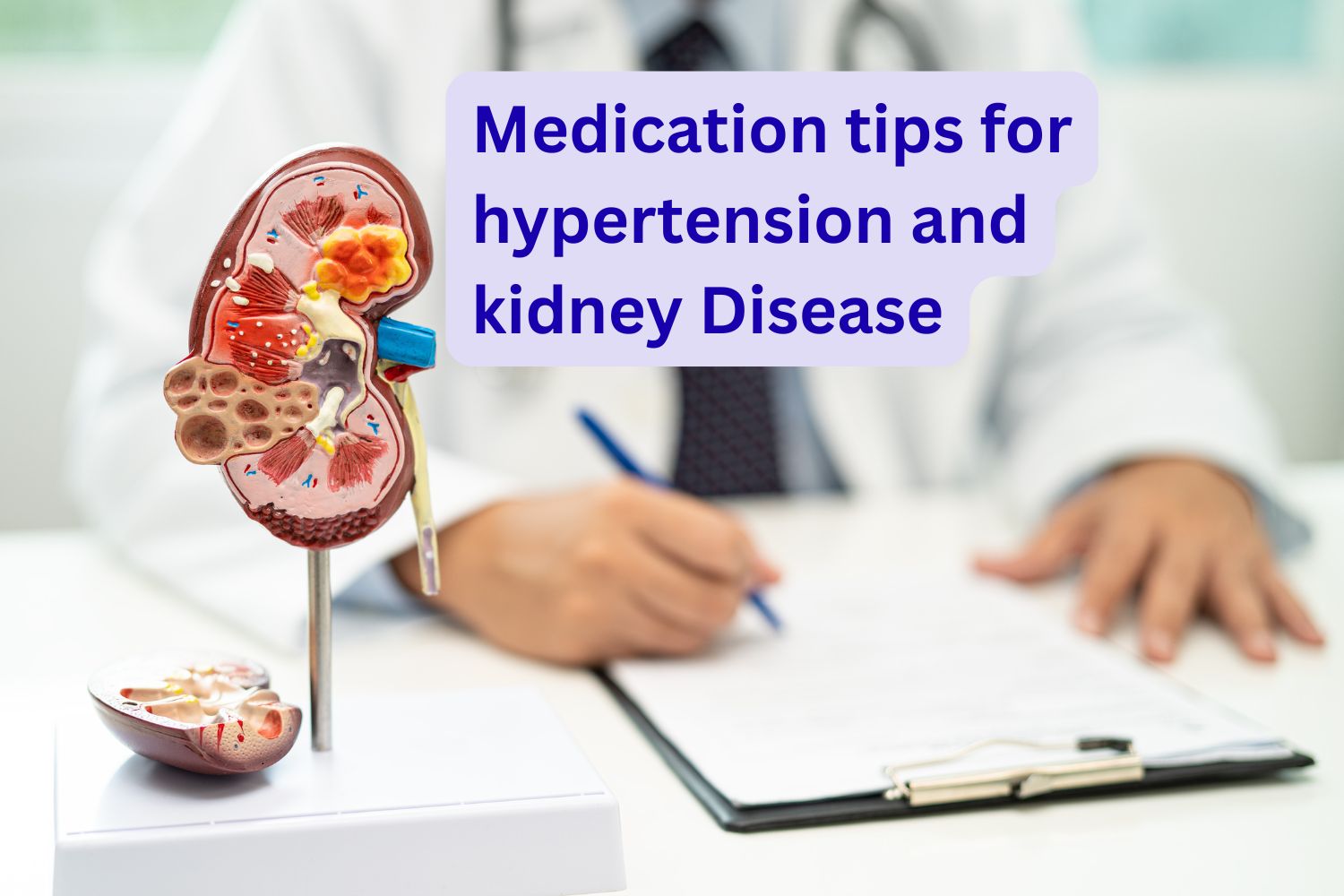
Following your prescribed medications regularly is essential to protect your kidneys. Never skip, alter, or stop your medications without your doctor's advice.
Some medicines, especially over-the-counter painkillers, can harm your kidneys.
Avoid self-medication and always consult with a specialist before starting new drugs.
Monitor your blood pressure at home and visit a Nephrology Specialist to track your kidney health. Kidney function tests and blood pressure checks help your doctor adjust treatment to keep your kidneys safe.
At NU Hospitals, our Nephrologists are experts in managing blood pressure for kidney health. We will create a treatment plan just for you and monitor your progress carefully to protect your kidneys from damage.
Kidney Wellness Habits Checklist
|
Habit |
Do’s |
Don’ts |
|
Diet |
Eat fresh, low-salt foods |
Avoid processed, canned, high-sodium |
|
Hydration |
Drink water, lemon water, and coconut water |
Avoid excess caffeine, sugary drinks |
|
Exercise |
Walk 30 mins daily, yoga |
Avoid a sedentary lifestyle |
|
Medication |
Take as prescribed |
Avoid painkillers without doctor advice |
|
Stress Management |
Practice meditation, deep breathing |
Do not ignore mental health |
|
Regular Check-ups |
Monitor BP regularly, and consult a nephrologist |
Skip appointments |
|
Sleep |
Aim for 7-8 hours of restful sleep |
Avoid irregular sleep schedules |
Managing high blood pressure is key to protecting your kidneys and preventing serious health problems. By adopting a kidney-friendly diet, staying active, taking medications properly, and monitoring your health, you can keep your kidneys strong and healthy. Early action can prevent kidney damage and improve quality of life.
At NU Hospitals, our nephrology specialists are here to help you manage hypertension and care for your kidneys with personalised plans.
Learn how to control high blood pressure. Talk to our experts today.








