 Nephrology
 Urology
 Andrology
 Fertility (IVF)
 General Nephrology
 Paediatric Nephrology
 Dialysis
 Renal (Kidney) Biopsy
 CRRT
 Peritonial Dialysis
 Robotic Surgery
 Urinary Incontinence
 Uro-Oncology
 Laparoscopic Urology
 Reconstructive Urology
 Anaesthesiology
 Radiodiagnosis
 Nutrition and Dietetics
 Pediatric and Immunization
 Cardiology
 Intensive Care Unit




The Impact of Lifestyle and Environment on Sperm Quality, leading to Male Infertility
Fertility is not just a woman's problem. Male factors are involved in almost 50% of the infertility cases worldwide. However, several men remain unaware of their sperm health until they are trying to conceive.
According to several studies over the past four decades, global sperm counts have declined by more than 53%. This is a wake-up call for most men.
Today’s fast-paced world, lifestyle choices, environmental toxins, and even everyday habits like skipping sleep or a poor diet are silently affecting sperm quality. Understanding and improving your sperm health isn’t just about fatherhood. It’s about your hormonal balance, energy, mental clarity, and your future.
If you are in Bangalore, you don't have to go through the journey alone. At NU Hospitals, we understand the sensitivity of the condition. Therefore, keeping “YOU” in mind, we offer advanced diagnostics and personalized treatment to help you take control of your reproductive health.
Factors influencing sperm Quality
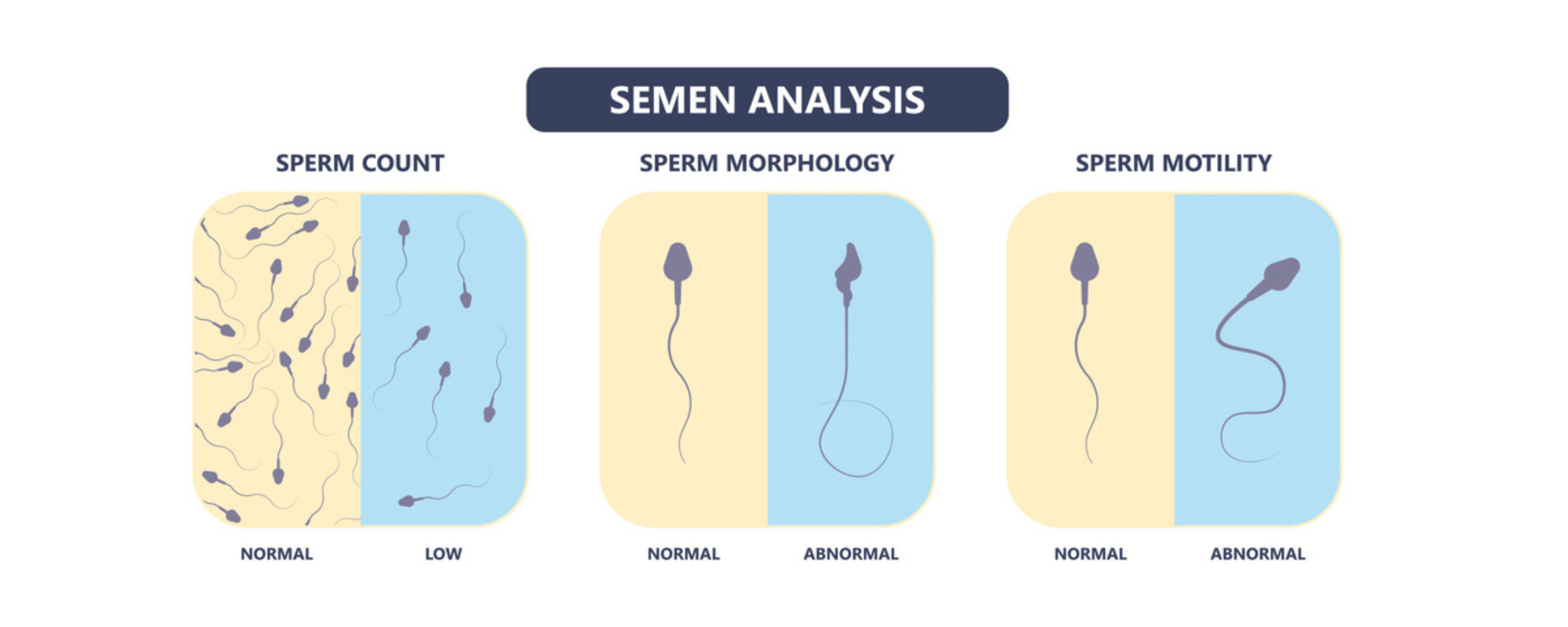
Your sperm health is linked to three main factors:
-
Sperm Count
Sperm count is the number of sperm present in a semen sample. A healthy count ranges from 15 million sperm to more than 200 million sperm per milliliter (mL) of semen.
Global sperm counts have dropped by over 53% in 40 years, raising fertility concerns.
-
Sperm Motility
Motility measures how well your sperm swims. At least 40% of your sperm should be actively moving for good fertility. Poor motility affects 1 in 4 men facing fertility problems.
-
Sperm Morphology
Morphology is the shape of your sperm. Having 4% or more normal-shaped sperm is healthy. Abnormally shaped sperm may reduce your sperm’s fertilizing ability.
Having healthy sperm quality increases the chances of conception.
Factors Influencing Sperm Health
Several factors within and beyond your control can affect your sperm quality. Some major factors that affect your sperm health are:
Factors |
Impact on Sperm Health |
Smoking |
Smoking reduces sperm count, motility, and increases the chances of DNA damage |
Alcohol consumption |
Excessive intake of alcohol can lower your testosterone and sperm quality |
Obesity |
Obesity can reduce sperm count and motility. |
Environmental toxins |
Exposure to pesticides, plastics can disrupt hormones. |
Stress |
Chronic stress negatively impacts hormone balance. |
Age |
With age, your sperm quality declines. |
Heat exposure |
High temperatures (e.g., hot tubs) can impair your sperm production. |
Sedentary lifestyle |
A sedentary lifestyle reduces your sperm quality and motility. |
Poor diet |
A poor diet containing processed foods and high sugar can harm sperm |
Sexually transmitted infections |
STIs damage your sperm quality. |

Importance Of Lifestyle Changes For Your Sperm Health
Your everyday choice impacts your sperm quality. Your daily habits are powerful tools. With small, consistent changes, you can significantly improve your sperm health and overall fertility. Taking charge of your fertility is empowering. Here’s how you can boost your sperm health.
-
Adopt a Healthy Diet:
-
Eat colorful foods
Bright fruits, veggies, and whole grains are full of antioxidants. They help to protect your sperm from damage.
-
Get enough zinc
Zinc helps in your sperm quality. You can find zinc in lean meats, nuts, and beans.
-
B9 and Folic Acid
B9 and Folic Acid help build healthy DNA. Eat leafy greens, citrus fruits, and beans.
-
Choose healthy fats
Omega-3 fats in fish, flaxseeds, and walnuts are good for your sperm cells.
-
Avoid junk food
Cut back on sugary drinks, red meat, and fried food. They can harm your sperm health.
-
Maintain a Healthy Weight:
-
Obesity
Obesity can disrupt your hormone balance, leading to lower testosterone and reduced sperm quality.
-
Healthy BMI
Aim for a healthy BMI through a balanced diet and regular physical activity. Weight loss can make a difference.
-
Manage Stress Effectively:
-
Reduce Stress
Chronic stress elevates cortisol, which can negatively impact testosterone production.
-
Meditate
Incorporate stress-reducing activities like meditation, yoga, spending time in nature, or hobbies you enjoy.
-
Get good sleep
Prioritize adequate sleep. Good sleep hygiene is essential for hormonal balance.
-
Stay Active:
-
Exercise Regularly
Moderate, regular exercise is good. Aim for at least 30 minutes of moderate exercise every day.
-
Maintain balance
Avoid excessive high-intensity exercise. High-intensity exercise can sometimes harm male hormones.
-
Avoid Harmful Substances:
-
Quit smoking
Smoking severely harms sperm quality, lowering count and motility, while increasing DNA fragmentation. Quitting is one of the most powerful steps you can take to improve your fertility.
-
Quit alcohol
Excessive alcohol consumption can lower testosterone levels and negatively affect sperm production.
-
Say no to recreational drugs
Drugs can have severe negative effects on your fertility.
-
Reducing Toxin Exposure:
-
Avoid excessive heat
High temperatures can damage your sperm. Skip prolonged hot baths and saunas. Avoid keeping laptops on your lap.
-
Reduce exposure to environmental toxins
Be aware of pesticides, certain plastics (BPA), and heavy metals. Choose organic produce and use glass or stainless steel containers for food and drinks.
-
Chemicals in personal care products
Choose natural and chemical-free alternatives.
Seek Help with our expert andrologist to improve sperm quality
Have you and your partner been trying to conceive for years without success? Then it may be time to consult a specialist. A simple semen analysis can reveal a lot about your sperm quality and guide you towards your next steps.
Take Charge of Your Male Fertility Journey
Your dreams of fatherhood deserve every chance. By understanding and improving your sperm health, you’re investing in your future and the well-being of your family. Small changes in your lifestyle and environment can make a world of difference in sperm quality.
If you are worried about your male fertility, don’t wait; reach out to the experts at NU Hospitals, Rajajinagar, Bengaluru, for personalized guidance and support. Your journey to parenthood starts with a single step. Take it today, for yourself and for the family you hope to build.








