 Nephrology
 Urology
 Andrology
 Fertility (IVF)
 General Nephrology
 Paediatric Nephrology
 Dialysis
 Renal (Kidney) Biopsy
 CRRT
 Peritonial Dialysis
 Robotic Surgery
 Urinary Incontinence
 Uro-Oncology
 Laparoscopic Urology
 Reconstructive Urology
 Anaesthesiology
 Radiodiagnosis
 Nutrition and Dietetics
 Pediatric and Immunization
 Cardiology
 Intensive Care Unit




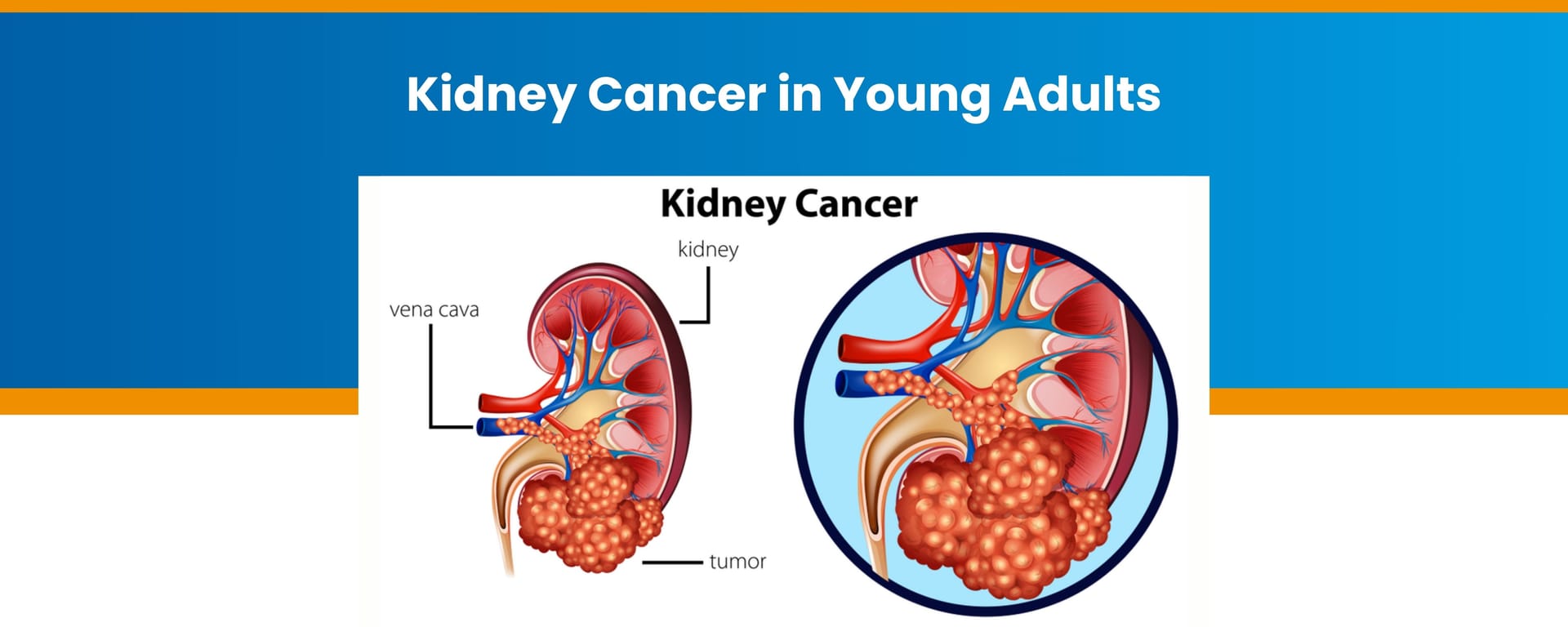
Have you been diagnosed with kidney cancer? Being diagnosed with kidney cancer in your 20s or 30s can feel quite overwhelming.
It can be quite difficult to explain. Your life may feel like it just began.
You may not have smoked. You may have lived a healthy life. You may not even have kidney cancer symptoms.
However, the good news for you is that outcomes are usually quite positive when the disease is detected early and treated by experienced specialists. Modern treatment focuses not just on curing cancer but also on preserving your kidney function, protecting fertility, and supporting your mental well-being.
Cancer may pause your plans, but you do not have to end them.
Why Kidney Cancer Is Rising in Young Adults
Kidney cancer was considered an older people's disease, but not anymore.
Increasing Incidence Rates
-
Rates of kidney cancer in adults under 40 have doubled since 2000.
-
There is a 3–5% annual rise in kidney cancer cases among the youth, while other cancers decline in younger people
Unique Risk Factors in Younger Patients
-
Genetic syndromes: 5–10% of young cases are linked to hereditary syndromes such as Von Hippel-Lindau (VHL).
-
Lifestyle & Environment: Obesity and exposure to specific workplace chemicals also play a major role.
-
Modern Detection: Usually, tumors are found incidentally during ultrasounds for other conditions or regular checkups.
Early Symptoms Young Adults Often Miss
Young people are quite strong. Hence, you might ignore kidney cancer symptoms easily.
Flank pain mistaken for muscle strain or sports injury
-
Constant pain on one side of your lower back.
-
It is usually blamed on workouts, posture, or long hours at a desk.
-
Any pain that does not improve with rest needs to be evaluated.
Blood in urine linked to "UTIs" or menstruation
-
Intermittent blood in urine (hematuria).
-
It is treated repeatedly as an infection without any ultrasound scans.
-
It is one of the most common kidney cancer symptoms
General fatigue and weight loss are blamed on lifestyle
-
Constant tiredness
-
Unplanned weight loss
-
They are usually diagnosed as stress, dieting effects, or busy schedules
Unique Diagnostic Challenges in Young Adults
Doctors don't suspect cancer
Doctors don't usually suspect cancer in fit and young people. This leads to delayed diagnoses.
Incidental discovery vs. symptomatic presentation
Most tumors are found during "unrelated" scans (such as health check-up).
Genetic testing
5–10% of young adult kidney cancer cases are hereditary. Genetic testing can help to guide the treatment.
Treatment Challenges Specific to Young Adults
There are many options in kidney cancer treatment for young adults. Your kidney cancer treatment will depend on your diagnosis.
Partial nephrectomy to preserve kidney function
-
It is a nephron-sparing surgery. It saves healthy kidney tissues.
-
It also reduces any long-term dialysis risk.
-
Our doctors are preserving as much healthy tissue as possible. It is important to avoid dialysis later in life.
Aggressive tumor biology
-
Younger patients are likely to have more aggressive tumor types, such as high-grade clear cell RCC or sarcomatoid features.
-
These cancer types require a more aggressive kidney cancer treatment.
Minimally invasive expertise required
Robotic-assisted surgery gives you
-
Faster recovery
-
Better precision
-
Maximum kidney preservation
Fertility, Family Planning & Psychosocial Needs
Kidney cancer does not need to stop your dreams of having a family someday.
Fertility preservation before treatment
Before starting any therapy or major surgery, discuss egg or sperm banking with your doctor.
Career and family disruption
Make a proper plan on how to manage your work alongside your treatment. Also, talk to your family member regarding your kidney cancer journey.
Genetic counseling for future children
If your cancer is hereditary, your children need to have extensive genetic testing.
Support Resources Tailored for Young Adult Survivors
Young adult cancer support groups
Join cancer support groups that have people who understand your condition and the challenges you are going through.
Financial navigation
Plan properly regarding insurance, disability claims, and workplace accommodations.
Sexual health and intimacy counseling
Surgery and treatment can affect your body image and sexual health. Consulting with specialists can help you reclaim your confidence.
Long-Term Surveillance: The Young Adult Difference
Follow-up required
While an older patient might stop scans after 5 years, you will have to go for regular scans for more than 30+ years.
Second primary cancer risk
If there is a genetic link, your doctor may watch for other cancers appearing in other parts of your body.
Cardiovascular risk after nephrectomy
Living with one kidney (or a partial one) will mean there will be more pressure on your heart. Therefore, you must keep your blood pressure and cholesterol in check.








