 Nephrology
 Urology
 Andrology
 Fertility (IVF)
 General Nephrology
 Paediatric Nephrology
 Dialysis
 Renal (Kidney) Biopsy
 CRRT
 Peritonial Dialysis
 Robotic Surgery
 Urinary Incontinence
 Uro-Oncology
 Laparoscopic Urology
 Reconstructive Urology
 Anaesthesiology
 Radiodiagnosis
 Nutrition and Dietetics
 Pediatric and Immunization
 Cardiology
 Intensive Care Unit




Your kidneys are the silent heroes of your body. They work nonstop, day and night, filtering your blood, balancing your fluids, removing toxins, and keeping you healthy.
When your kidneys begin to struggle, your entire body feels the impact. You will feel tired, experience swelling, and be in discomfort.
The scariest part is that kidney failure symptoms are often quiet. Before you notice any major symptoms, it is too late.
The damage may already be serious.
Therefore, listening to your body is very important. Even the smallest of the signs matters. The sooner you find these clues, the sooner you can protect your kidneys, your health, and your life.
We at NU hospitals, the leading hospital in India for Urology and Nephrology, are here to help you. Follow this blog to learn more about kidney failure, kidney failure symptoms, kidney failure stages, and causes.
What Is Kidney Failure?
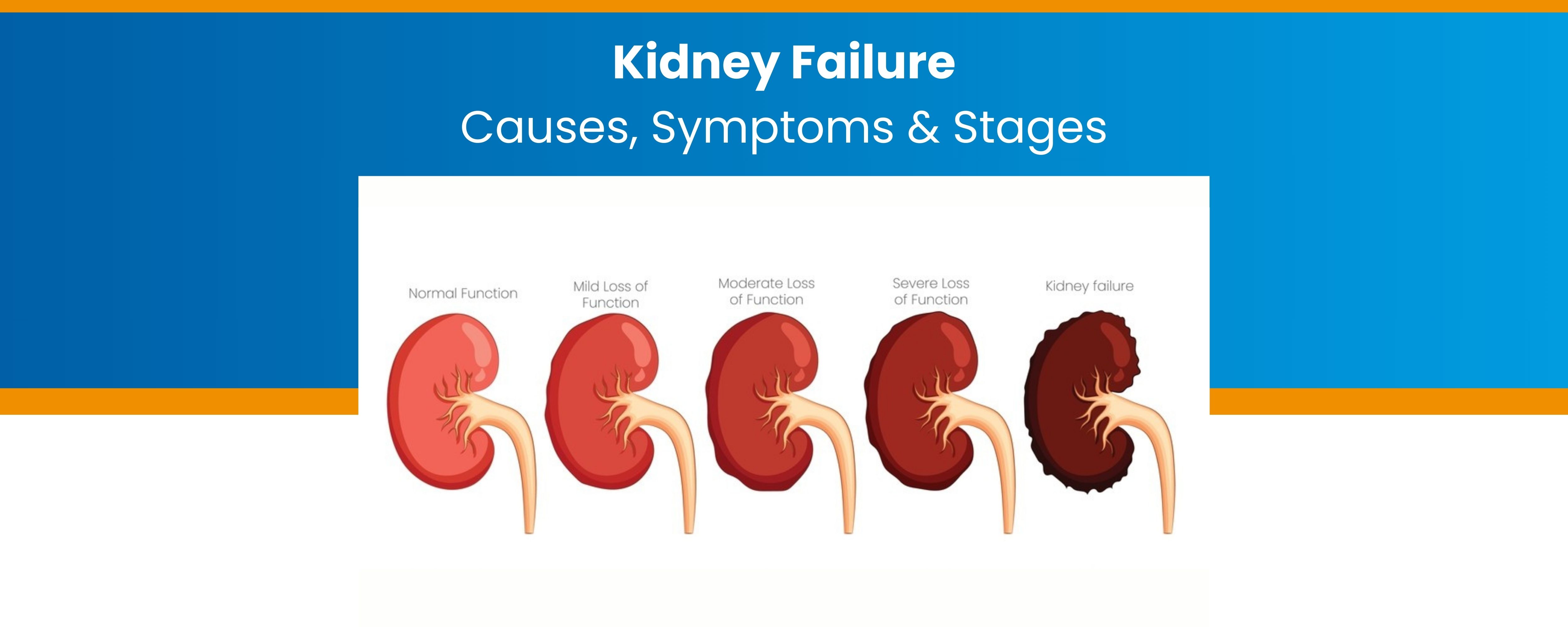
When kidney failure happens, your kidneys are unable to filter waste, balance your fluids, or manage electrolytes.
It is called end-stage renal disease, the final stage when your kidneys can no longer work and requires dialysis or a transplant.
Kidney Failure Symptoms
The greatest challenge is catching this condition early. The first signs are usually silent. People usually take these signs lightly as normal tiredness or stress. However, paying attention to these small changes is important.
What are the first signs of kidney failure?
The early warning signs are usually related to fluid balance and waste buildup.
Changes in Urination:
-
Need to urinate more often, especially at night.
-
Foamy or bubbly urine due to excess protein.
-
Blood in the urine.
Swelling (Edema):
-
Swollen feet, ankles, and legs.
-
Swelling around your eyes, particularly in the morning.
Fatigue and Weakness:
-
Feeling tired, even after rest.
-
Difficulty concentrating or brain fog.
-
This symptom is usually linked to the development of anemia.
Skin Issues:
-
Constant itchy or dry skin.
Metallic Taste and Nausea:
-
A constant bad taste in the mouth.
-
Loss of appetite and unexplained weight loss.
If you notice these kidney failure symptoms, don't wait. A simple blood test can help you get clarity.
Causes of kidney failure
There are several causes of kidney failure. Understanding these main triggers is important for the prevention of the disease.
-
Diabetes (Type 1 and Type 2)
High blood sugar levels over time damage the filtering units in your kidneys. This is the leading cause of kidney disease globally.
-
High Blood Pressure (Hypertension)
Uncontrolled high blood pressure narrows the blood vessels supplying your kidneys, starving them of oxygen and nutrients. It is the second leading cause of kidney failure.
-
Glomerulonephritis
Inflammation of your glomeruli, the filters inside the kidney. This can be caused due to infections, autoimmune diseases such as Lupus, or certain medications.
-
Polycystic Kidney Disease (PKD)
It is a genetic condition where cysts grow on your kidneys, eventually crowding out the normal filtering tissue.
-
Obstructive Issues
Blockages caused by kidney stones, tumors, or an enlarged prostate can prevent urine from flowing out and cause pressure buildup.
Kidney Failure Stages
Kidney disease is divided into five stages, based on the Glomerular Filtration Rate (GFR). GFR is basically calculated with serum creatinine value for clinical purpose. GFR measures how well your kidneys are filtering blood. The lower the GFR, the worse the function.
Stage |
Description of Kidney Damage |
GFR (mL/min) |
Management |
Stage 1 |
Mild kidney damage, but kidney function is normal |
90 or higher |
Focus on risk reduction and diagnosis of the main cause of kidney disease. |
Stage 2 |
Mild reduction in function |
60–89 |
Focus on lifestyle changes and controlling blood pressure/sugar. |
Stage 3A/3B |
Moderate reduction in function.Symptoms usually start in this stage |
30–59 |
Careful medication management.Dietary restrictions begin in this stage. |
Stage 4 |
Severe reduction in function. |
15–29 |
Preparing for treatment options such as dialysis or a kidney transplant. |
Stage 5 |
End-Stage Renal Disease (ESRD) or Kidney Failure |
Below 15 |
Dialysis or kidney transplantation is required for survival. |
Managing Kidney Failure: Treatment
Facing Kidney Failure does not mean the end of your life. With the help of proper treatment, you can manage your condition better.
Can I reverse kidney damage?
For chronic Kidney Failure, the damage that has already happened is, therefore, it is usually not reversible. However, you can stop or slow down further progression. Management of your blood pressure and blood sugar is the best way to preserve your remaining kidney function and delay the need for dialysis or transplant.
Step 1: Supportive Care
This starts immediately after diagnosis. It involves controlling the effects of kidney disease:
-
Diet
A low-sodium, low-potassium, and low-phosphorus diet is usually required. Protein intake may also be controlled.
-
Medication
Drugs to control blood pressure and other conditions.
Step 2: Renal Replacement Therapy (RRT)
After reaching end-stage renal disease (Stage 5), other serious treatments are needed to help with the kidneys' filtering function.
Kidney failure dialysis: This is the most common RRT (Renal Replacement Therapy). There are two main types:
-
Hemodialysis (HD): Blood is pumped out of your body with the help of an artificial kidney (dialyzer) machine. It is then filtered and returned. This is usually done 3 times a week at a dialysis center or at home.
-
Peritoneal Dialysis (PD): A fluid is put into your abdominal cavity to pull waste products. This is done daily, usually at your home, overnight while you are sleeping with the help of a bedside machine.
Kidney Transplant: This is the most effective treatment. A healthy kidney from a deceased or living donor is surgically placed into the recipient. A successful transplant allows the patient to live without dialysis, offering a significant improvement in quality of life.
Prevent Kidney Failure
Prevention is always better than a cure.
Since most cases of kidney failure are lifestyle-driven, a proactive approach can safeguard your kidney health.
-
Manage Your Numbers
Keep your blood pressure and blood sugar levels strictly within the target range. Regular monitoring is needed.
-
Hydration and Diet
Drink an adequate amount of water. Eat a balanced diet, focus on fresh foods, and limit processed foods that are high in salt and sugar. As the CKD stage advances, high potassium containing food items should be restricted.
-
NSAID Caution
NSAID pain killer medications can cause irreversible damage to the kidney and lead to end stage renal disease.
-
Quit Smoking
Smoking reduces your blood flow to the kidneys and worsens any existing damage.
-
Get Screened
If you have diabetes, high blood pressure, or a family history of kidney disease, get tests done regularly.
Protect your Kidney Health
Living with Kidney disease can be quite draining and stressful. During this time, it matters the care you choose for yourself.
Choosing the right hospital and care team for you will make sure you have a better journey and the best treatment. NU Hospitals, Bangalore, is a leader in kidney and urinary care.
From early diagnosis and staging to dialysis and transplantation, you will get world-class expertise.
Take action today and protect your kidneys.








