 Nephrology
 Urology
 Andrology
 Fertility (IVF)
 General Nephrology
 Paediatric Nephrology
 Dialysis
 Renal (Kidney) Biopsy
 CRRT
 Peritonial Dialysis
 Robotic Surgery
 Urinary Incontinence
 Uro-Oncology
 Laparoscopic Urology
 Reconstructive Urology
 Anaesthesiology
 Radiodiagnosis
 Nutrition and Dietetics
 Pediatric and Immunization
 Cardiology
 Intensive Care Unit




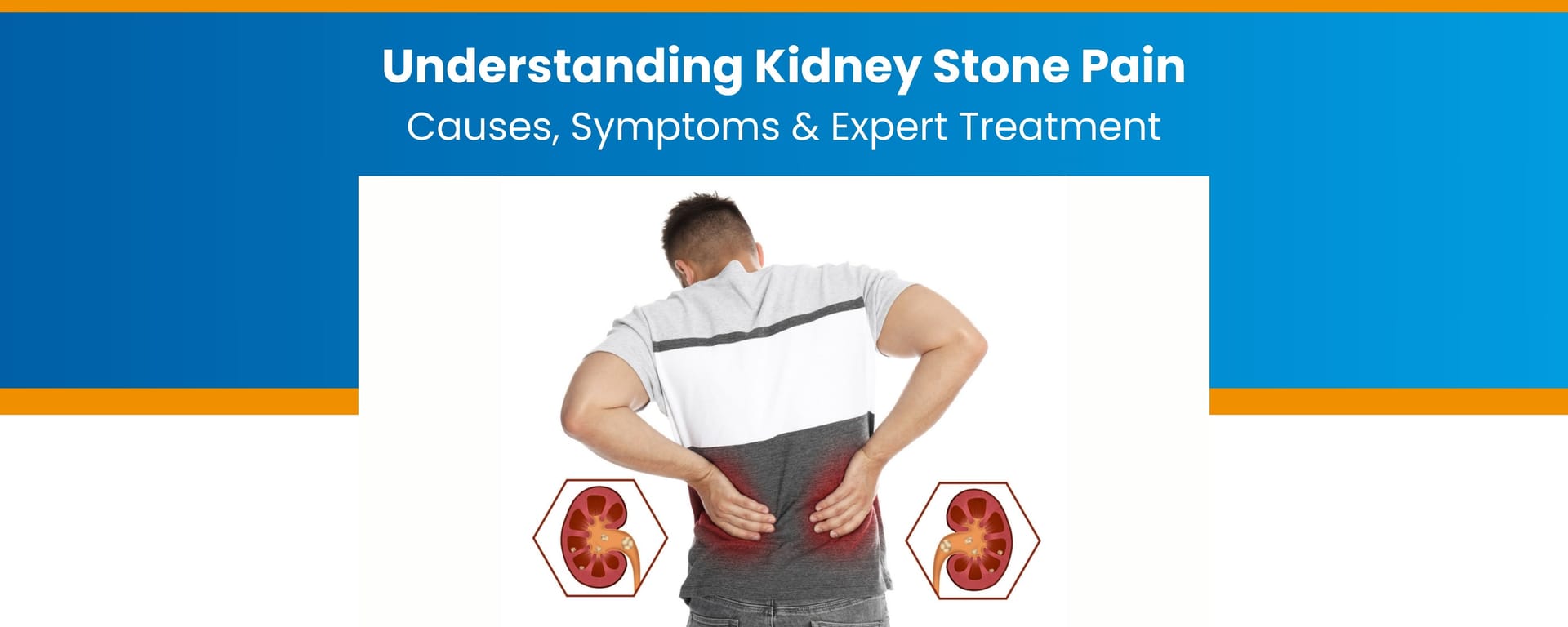
Imagine you suddenly get a sharp and intense pain in your back out of nowhere. The pain is so intense that it might often leave you breathless and screaming in pain
This is what kidney stone pain feels like. Kidney stone pain is quite often described as one of the most extreme pains a human can experience.
Around 12% of Indians will face a kidney stone at least once in their lifetime. In urban cities such as Bangalore, kidney stones are quite common.
If you are in Bangalore and you are suspected of having kidney stones, don't worry.
We at NU Hospitals, Bangalore, are here to help you. We are one of India’s leading urology and nephrology hospitals.
If kidney stone pain is ruining your peace, we are here to help you get relief. Follow this blog to learn more about kidney stone pain and treatment.
What Causes Kidney Stone Pain and How Does It Manifest?
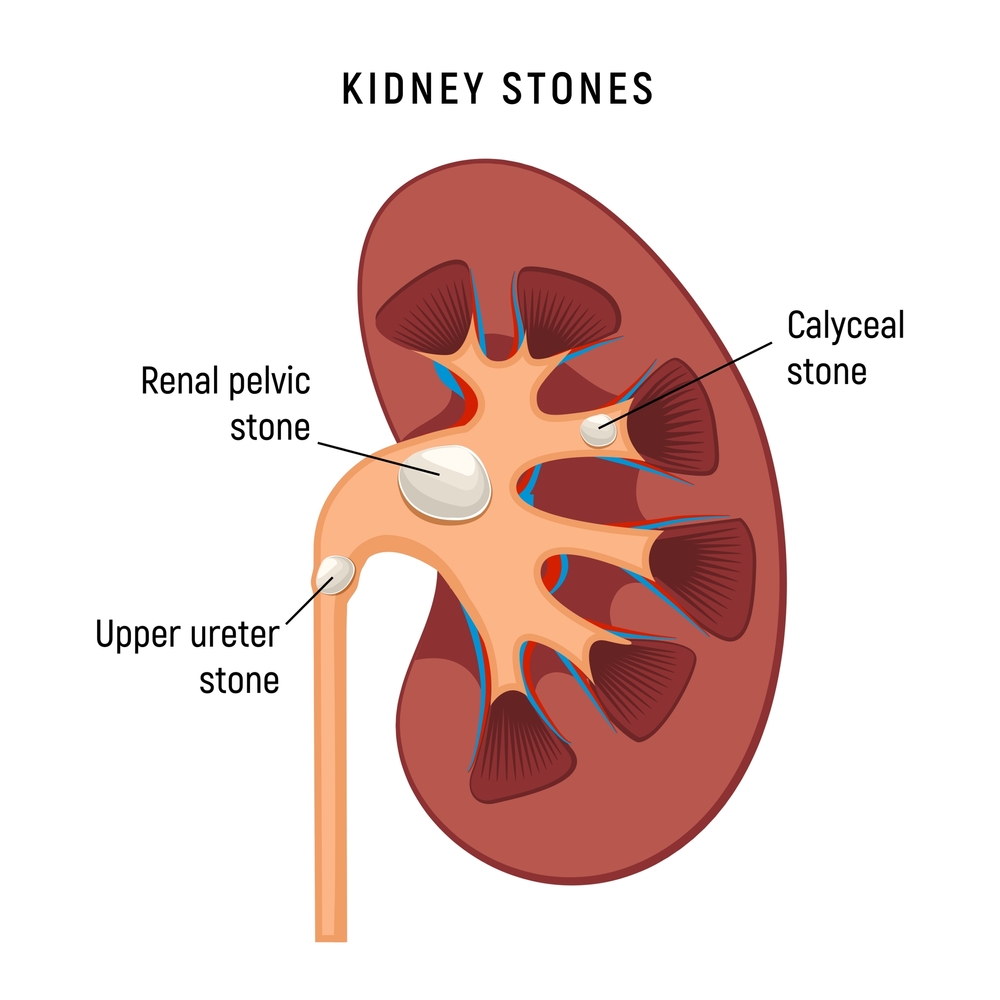
Stones inside the Kidney usually do not cause pain. But when they drop down into the ureter, they can cause blockage and severe stone pain. The pain can come back while the stone is moving down along the course of the ureter to the bladder.
Why does kidney stone pain happen?
-
Stones block your urine flow.
-
Pressure is building up inside your kidney.
-
Sharp edges of the stone irritate your urinary tract.
Role of stone size and location:
-
Smaller stones: These might pass through with less pain. However, it can still cause you discomfort.
-
Larger stones: Large stones are more likely to get stuck. It can cause you more intense pain.
-
Location: A stone high in the ureter might cause flank pain. Lower down, it can lead to pain radiating to the groin or pain in the region of genital organs.
Common triggers and aggravating factors:
-
Dehydration: Not drinking enough water is a major culprit for kidney stones.
-
Diet: A diet that is rich in sodium, animal protein, and oxalates can also increase your risk.
-
Medical conditions: Certain conditions, such as urinary tract infections or metabolic disorders, can also be a trigger
Recognizing Kidney Stone Pain Symptoms: When to Seek Immediate Medical Attention
Kidney stone pain is usually sharp, sudden, and unforgettable. Here is what else you should look out for.
1. Intense flank, lower back, or abdominal pain
This is a major kidney stone pain symptom. The pain can come in waves.
2. Pain radiating to the groin or genitals
As the stone moves down your ureter, the pain can shift and spread.
3. Urinary symptoms: blood in urine, urgency, or frequent urination
-
Blood in urine (hematuria): This can make your urine pink, red, or brown.
-
Urgency: You may feel a sudden, strong need to urinate.
-
Frequent urination: Needing to go to the bathroom more often.
-
Painful urination (dysuria): A burning sensation.
4. Associated nausea, vomiting, and fever
The intense pain can trigger nausea and vomiting. If you have a fever or chills, it could indicate an infection. This will require immediate medical attention.
Advanced Diagnostic Tools for Kidney Stones at NU Hospitals, Bangalore
Getting an accurate diagnosis is the first step towards getting relief. At NU Hospitals, we use cutting-edge technology to diagnose your kidney stone.
-
Ultrasound & Non-contrast CT Scans
These help to look for stones. They offer a clear view of the size, number, and location of your kidney stone.
-
Urinalysis and Metabolic Workup
These tests will help to understand your stone’s composition and check for any infection or risk factors. Metabolic workup is needed for recurrent stone formers and even first-time stone formers in children.
-
Differential Diagnosis
The advanced diagnostics will rule out other causes such as infections, tumors, or muscle strain. This will make sure you get the right treatment.
Comprehensive Pain Management Strategies for Kidney Stones
Kidney stone pain can bring even the strongest person to tears. At NU Hospitals, we make sure you are comfortable and don't struggle with pain
-
Medications: Our doctors use NSAIDs, antispasmodics, and stronger painkillers to control your symptoms.
-
Moderate Hydration Therapy: Drinking water as recommended by your doctor will help to flush out small stones and speed up your recovery.
-
Home Care Tips: Practice warm compression and gentle movement; it can sometimes help.
-
When to Call for Help: If you have a high fever, vomiting, or extreme pain, it is time for immediate intervention.
Cutting-edge Treatment Options to Remove Kidney Stones
If your stones are too large and do not pass naturally, help is needed. At NU Hospitals, we offer advanced treatment options to remove kidney stones.
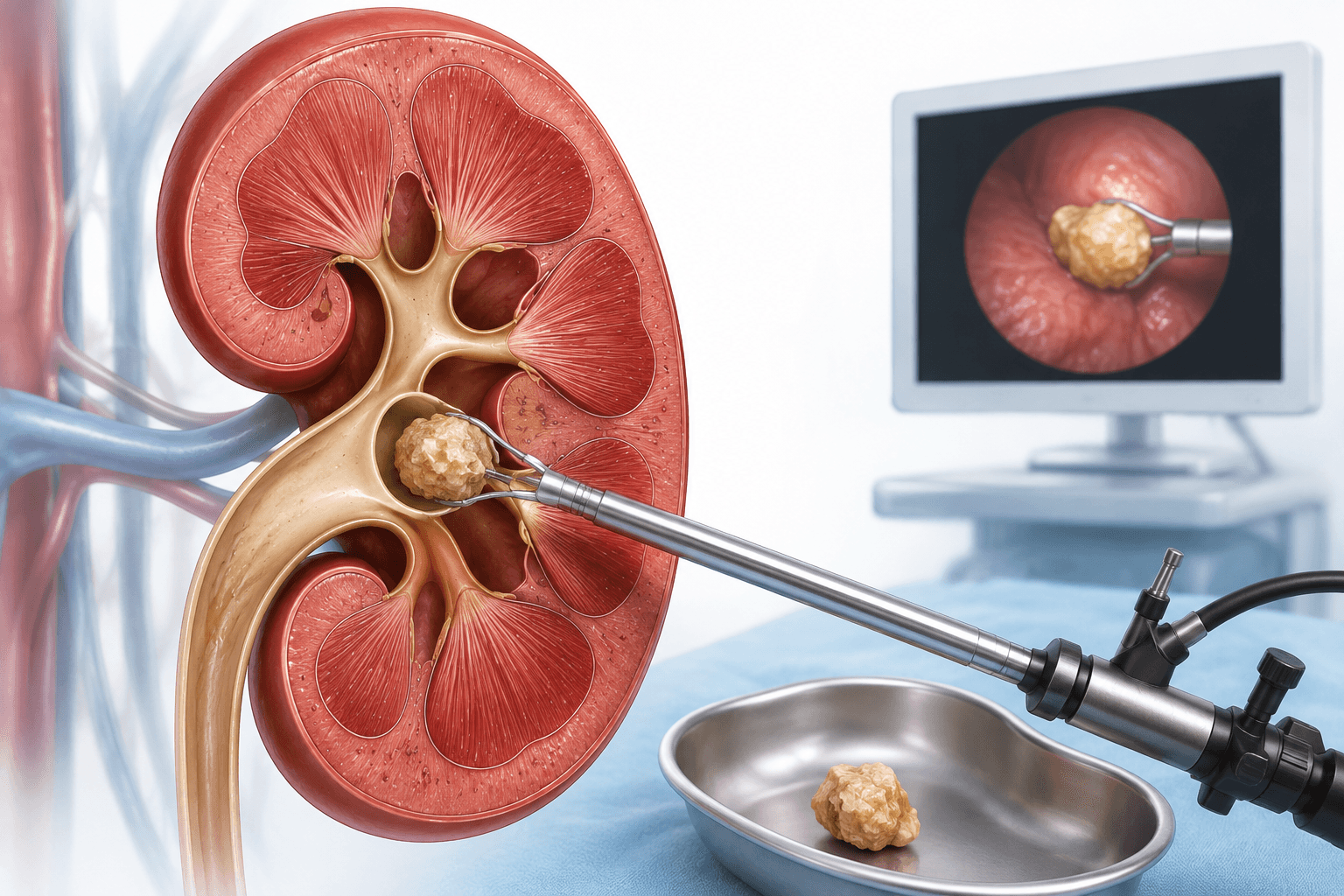
Ureteroscopy with laser lithotripsy
-
A thin scope is passed through your urethra and bladder into your ureter.
-
Then a laser breaks your stone into smaller pieces.
-
The fragments are then either removed or allowed to pass naturally.
-
It is a minimally invasive procedure with a high success rate.
Percutaneous nephrolithotomy
-
This is for very large or complex stones in your kidney.
-
A small cut is made in your back to access your kidney.
-
Then, a scope and instruments are used to break and remove the stone.
Endoscopic combined Intrarenal surgery (ECIRS) for complex stones
-
This technique combines both the above procedures.
-
Large stones can be cleared completely in less time.
Customized treatment plans for individual cases
Our urologists at NU Hospitals customise each kidney stone pain and treatment plan. This is based on your stone size, location, and composition.
Preventing Kidney Stone Recurrence: Diet and Lifestyle Recommendations
The best way to deal with kidney stone pain is by making sure it does not happen again!
Importance of adequate hydration adapted to Bangalore climate
-
Drink an adequate amount of water every day (to get at least 2-3 litres of clear urine)
-
Increase your intake during hot weather and sweating due to any reason.
Dietary tips to reduce stone formation risk
-
Reduce your salt intake.
-
Limit red meat in your diet.
-
Cut down on sugar
-
Add more fruits and vegetables to your diet
Regular follow-ups and lifestyle modifications
-
Walk every day
-
Check your urine color
-
Go for regular follow-ups at NU Hospitals








