 Nephrology
 Urology
 Andrology
 Fertility (IVF)
 General Nephrology
 Paediatric Nephrology
 Dialysis
 Renal (Kidney) Biopsy
 CRRT
 Peritonial Dialysis
 Robotic Surgery
 Urinary Incontinence
 Uro-Oncology
 Laparoscopic Urology
 Reconstructive Urology
 Anaesthesiology
 Radiodiagnosis
 Nutrition and Dietetics
 Pediatric and Immunization
 Cardiology
 Intensive Care Unit




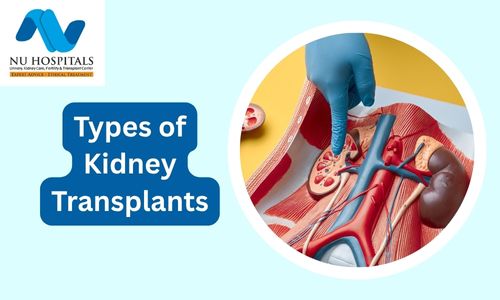
Find out the different types of Kidney Transplant & process
Kidney transplant is more than just a procedure to a few. If you or your loved one is suffering from end-stage renal disease, a kidney transplant offers hope. It restores not just your kidney function but also the ability to live a fuller, healthier life.
In Shivamogga’s Malnad District NU Hospitals, Shivamogga stands out as a beacon of excellence in kidney care. With state-of-the-art facilities and a dedicated team, we provide comprehensive services to all those considering a kidney transplant.
What is a Kidney Transplant?
A Kidney transplant is a procedure that places a healthy kidney from a deceased or living donor into a person whose kidneys no longer function properly. This life-saving procedure offers a significantly improved quality of life in comparison to long-term dialysis.
There are three main types:
-
Living Donor Kidney Transplant
In this type, a kidney is donated by a living person. Living donor transplants offer several advantages, including better organ function and shorter waiting times. Living donor kidney transplants can be further classified into several categories, such as:
-
1st Degree Donor Transplant (Living related ABO compatible renal transplant)
Parents, siblings, children, spouses,and grandparents (ideally between 18 and 60 years of age) are considered as related donors. Blood group-compatible donors within the same group are considered.
-
Living related ABO incompatible donors
Earlier, blood type compatibility was a strict requirement. However, due to advancements in
medicine, ABO incompatible donors within the family can donate kidneys to their relative. It involves additional medications and a special procedure before renal transplant and monitoring post-transplant.
-
Swap Renal Transplant
When the blood group of patient 1 matches with the voluntary kidney donor of patient 2, and the blood group of patient 2 matches that of the potential donor of patient 1, a swap kidney transplant can be done with each other. This can happen within the same hospital or across various hospitals.
-
Deceased Donor Kidney Transplant
Deceased Donor Kidney Transplant involves receiving a kidney from a person who is declared brain dead. The donor's heartbeat is still there, but legally declared as brain dead(this follows road traffic accidents/strokes).
These kidneys become available only through organ donation programs. Patients have to register through their respective hospitals with Jeevasarthakathe in Karnataka. They would be placed on the wait list according to their blood groups and called when an organ is available.
Did you know? Approximately 60% of kidney transplants are deceased donor kidney transplants. The rest 40% are living donor kidney transplants.
-
Preemptive Kidney Transplant
A preemptive Kidney transplant is performed before a patient needs to start dialysis. This means the patient receives a new kidney before their kidneys fail completely.
Preemptive transplants generally lead to better long-term outcomes, as this avoids any complications and challenges linked with dialysis. However, it requires careful planning and involves a living donor.
Best hospitals for Kidney Transplant in Karnataka
Are you from gga or the surrounding areas? NU Hospitals is a leading choice for kidney transplantation.
Why choose NU Hospitals:
-
No. 1 Hospital for Kidney Transplant
-
Pioneers in Advanced Urology & Nephrology treatment
-
Legacy of Innovation and Trusted by Millions
-
Protocolized Evidence-based Care
-
Renowned Team of Experts with a Multi-Disciplinary Approach
-
Exceptional Care with World-class Technology
What is the kidney transplant donor requirement?
Becoming a kidney transplant donor is not a small act. Strict criteria are in place to ensure the safety of both the donor and the recipient. All potential kidney donors must meet certain criteria to ensure the safety and success of the transplant:
|
Criteria |
Details |
|
Age |
18 to 60 years |
|
Health Status |
Free from any chronic disease(diabetes, hypertension, and cancer) |
|
Kidney Function |
Normal kidney function with no history of kidney disease |
|
Psychological Evaluation |
Mental readiness for a huge medical procedure ( understanding the risks) |
Kidney Transplant Procedure
-
Step 1: Initial Consultation with a Nephrologist
The kidney transplant procedure begins with a detailed evaluation by your nephrologist. Your medical history, kidney function, and overall health will be assessed to determine if transplantation is the best course of treatment for you.
-
Step 2: Pre-Transplant Counseling
A kidney transplant is a major procedure. You will receive counseling to understand the kidney transplant procedure, including emotional readiness, lifestyle changes, and long-term care.
This step helps to ensure psychological preparedness for both you and your family.
-
Step 3: Donor Identification and Compatibility Testing
A suitable donor is identified for the kidney transplant. Compatibility is determined through extensive testing, such as blood group matching, tissue typing, and crossmatch, to ensure the success of the kidney transplant.
-
Step 4: NOC (No Objection Certificate) and Legal Clearance
After identification of the donor, both the donor and the recipient will need to provide documented consent. The NOC is a critical step in the kidney transplant procedure, confirming legal and ethical compliance.
-
Step 5: Medical Testing After Clearance
After approval from the doctor and counselor, both donor and recipient undergo detailed testing, including blood and urine tests. You will also need to go through any other physical evaluations as needed for the kidney transplant procedure.
-
Step 6: Multi-Specialty Medical Clearance
Both donor and recipient will need to undergo evaluations and must get clearance from multiple specialists:
-
Cardiologist
-
Psychiatrist
-
Dentist
-
Gynaecologist
-
Anaesthetist
These assessments confirm that both parties are medically fit to undergo the kidney transplant.
-
Step 7: Documentation and Legal Formalities
All necessary documentation is submitted, including medical records, identity proofs, relationship verification, and consent forms as per transplant regulations. Then, further legal formalities are carried forward by the hospital to ensure a smooth kidney transplant procedure.
-
Step 8: Video Consultation with Families
A video consultation is conducted with both families, where all risks and outcomes of the kidney transplant procedure are discussed. This session is recorded and kept as part of the official documentation.
-
Step 9: Final Pre-Transplant Testing
Two days before the surgery, final tests are performed to confirm the fitness of both donor and recipient. Final medical clearance is obtained.
-
Step 10: Kidney Transplant Surgery
The kidney transplant procedure is performed by an expert surgical team. The donor kidney is carefully transplanted, and then both the recipient and donor are monitored closely in the post-operative period.
-
Step 11: Post-Transplant Recovery
Recipient: Hospital stay of around 10 days with regular monitoring
Donor: Recovers within 8 days with support and rest
-
Step 12: Long-Term Follow-Up
Regular follow-ups with your nephrologist are essential to monitor the success of the kidney transplant procedure. The recipient will need lifelong medical care, while the donor attends periodic checkups to ensure overall well-being.








