 Nephrology
 Urology
 Andrology
 Fertility (IVF)
 General Nephrology
 Paediatric Nephrology
 Dialysis
 Renal (Kidney) Biopsy
 CRRT
 Peritonial Dialysis
 Robotic Surgery
 Urinary Incontinence
 Uro-Oncology
 Laparoscopic Urology
 Reconstructive Urology
 Anaesthesiology
 Radiodiagnosis
 Nutrition and Dietetics
 Pediatric and Immunization
 Cardiology
 Intensive Care Unit




Dear men, are you wondering about what azoospermia is? Worried about your sexual health? Want to explore more about your fatherhood? This blog is the right read for you.
Quick Takeaways:
-
Azoospermia means the absence of sperm or semen.
-
The two types of azoospermia are obstructive azoospermia and non-obstructive azoospermia.
-
Patients with azoospermia can achieve pregnancy with advanced techniques like TESA, PESA, Micro-TESE, ICSI, and IVF.
-
AndroNeo at NU Hospitals is a dedicated centre of excellent care for male infertility and sexual health concerns.
What is Azoospermia? An Overview of Male Infertility
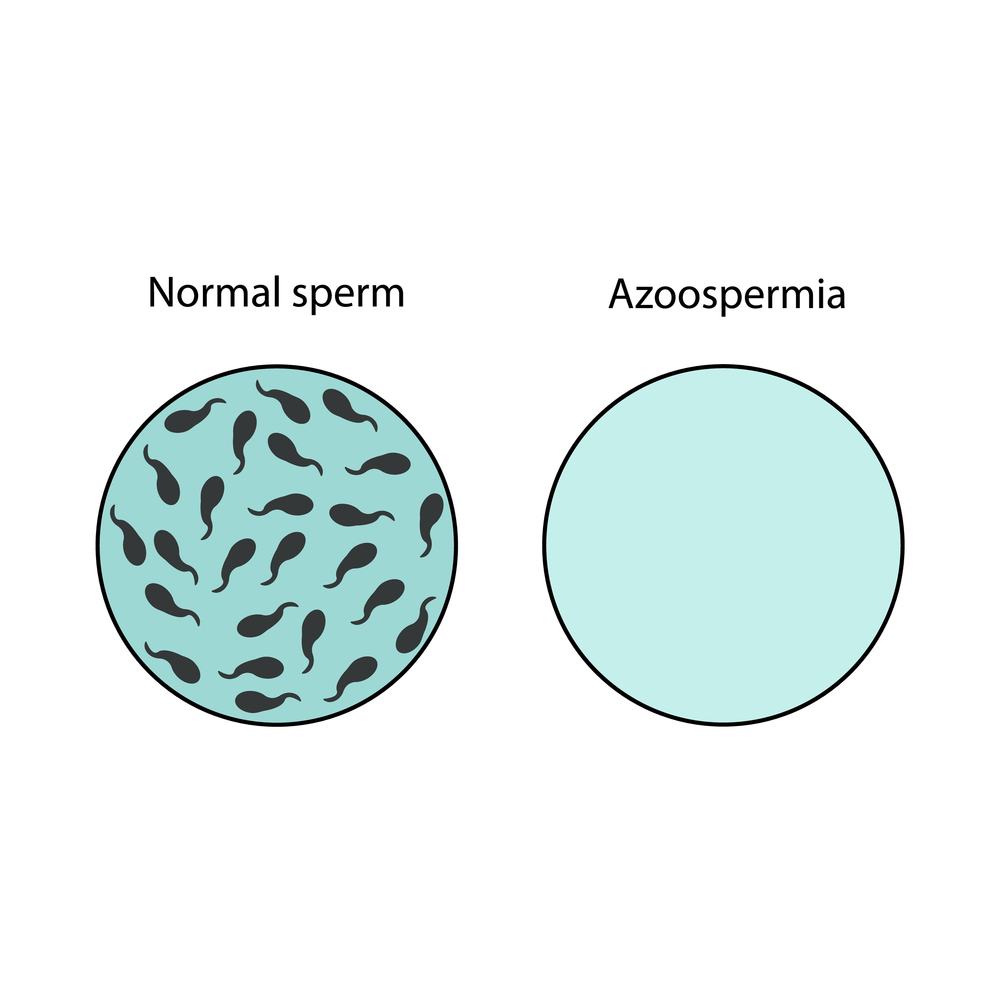
Azoospermia is one of the major causes of male infertility. The absence of sperm during ejaculation is known as azoospermia.
Did you know that azoospermia affects about 1% of all men, and 10% of infertile men have azoospermia?
Azoospermia need not be permanent; it is due to blockage or low sperm production. This can be treated.
The treatment options and future dreams of parenthood depend on the type of azoospermia.
Understanding Obstructive Azoospermia (OA)
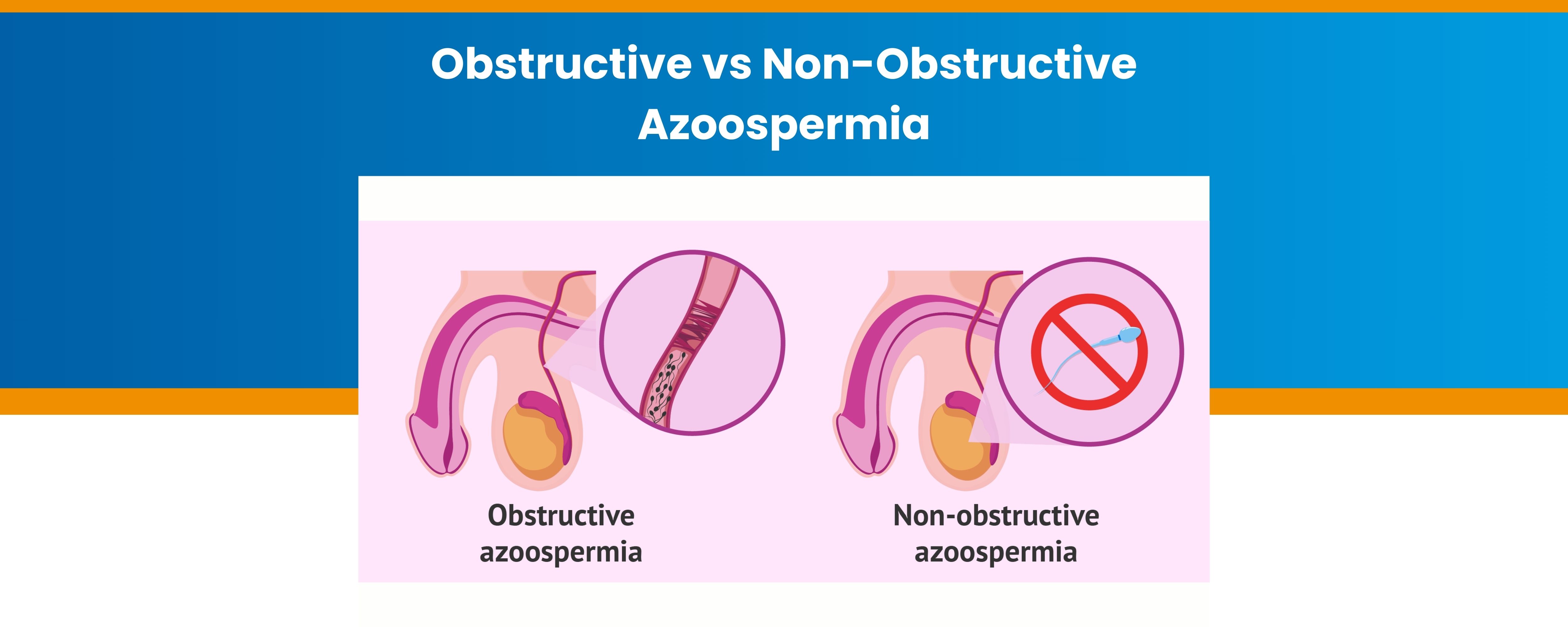
In OA, your testes make sperm, but a blockage stops them from coming out. This is known as obstructive azoospermia (OA).
Causes and Common Blockages
Let us understand the causes of obstructive azoospermia.
-
Congenital absence of vas deferens (CBAVD)
The vas deferens is the tube that carries sperm from the testicles to the urethra. A few men do not have the tube at birth due to genetic conditions.
-
Vasectomy or previous surgeries
Surgeries like vasectomy, hernia repair, or prostate surgery can block and damage the transport ducts.
-
Ejaculatory duct obstruction
The blockage in the ejaculatory duct and the urethra traps sperm in the seminal vesicles, causing low-volume, zero-sperm semen.
-
Infections
Infections like tuberculosis, chlamydia, etc., cause scars and inflammation in the epididymis, vas deferens, or ejaculatory ducts
How OA Affects Sperm Production and Delivery
In OA (obstructive azoospermia) cases, the sperm is being produced but is not carried well. This makes the treatment easy and is one of the most treatable types of azoospermia.
Sperm production is not altered or bad; only the delivery is to be treated.
Diagnosis Methods: Semen Analysis, Ultrasound, Vasography
To confirm your condition, our expert andrologist (an expert in male sexual health and fertility) will suggest a few tests. This includes:
-
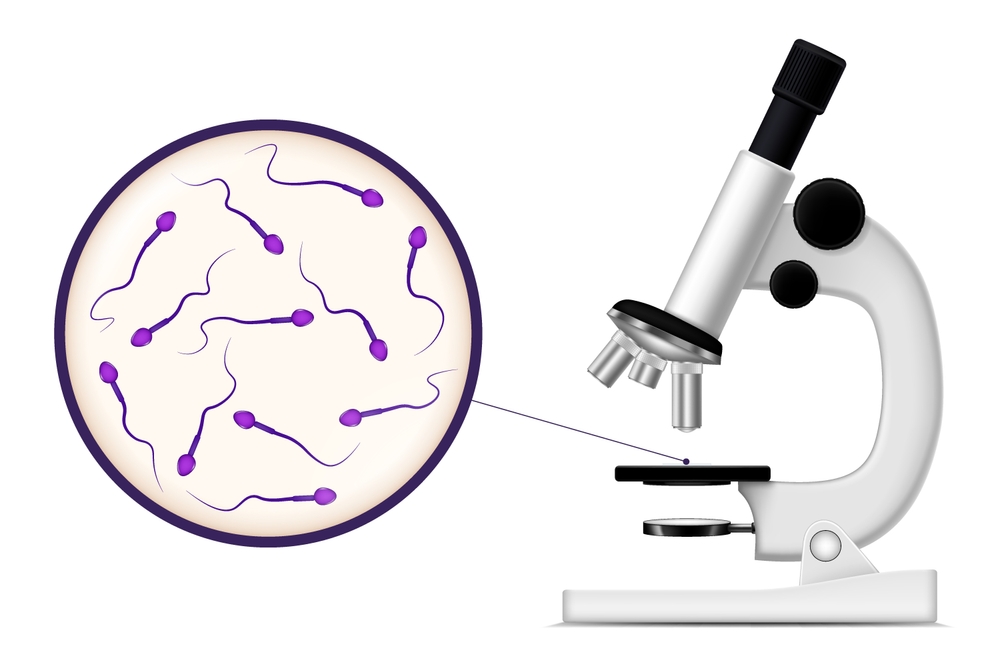
Semen Analysis
Sperm presence is checked.
If there is no sign of sperm in the semen, but the volume and pH levels are normal, it hints towards azoospermia.
-
Scrotal ultrasound or vasography
These imaging techniques help visualise blockages or the absence of the vas deferens (semen-carrying tube)
-
Testicular biopsy
A biopsy is done in rare cases to confirm normal sperm production
Understanding Non-Obstructive Azoospermia (NOA)
NOA is the opposite of OA; there is a problem at the source (testes). Your testes are not producing enough sperm; they produce very little or no sperm at all.
Causes Related to Impaired Sperm Production: Genetic, Hormonal, and Environmental Factors
There are many causes for impaired sperm production, including:
-
Genetic conditions
- Klinefelter syndrome
- Y-chromosome
- Microdeletions
- Chromosome abnormalities
This can interfere with sperm production, as it affects the testes’ ability to produce sperm normally.
-
Hormonal imbalances
Problems with low testosterone levels and the pituitary gland disrupt hormones and reduce sperm production.
-
Radiation or chemotherapy exposure
Radiation and chemotherapy can damage the sperm-producing cells in the testes. This can cause azoospermia temporarily or permanently.
-
Undescended testes
If the testes have not descended properly into the scrotum, they might not function normally, which affects sperm production.
-
Severe infections
It can cause scars, inflammation and damage to the testicular tissue and the delivery tube. (mumps orchitis, tuberculosis, STIs)
-
Testicular injury
Testicular torsion or trauma can affect the blood flow and damage sperm-producing cells.
Diagnosis Techniques: Testicular Biopsy, Hormone Profiling
Our experts recommend:
-
Hormone profiling
To test
-
-
FSH
-
LH
-
Testosterone levels
-
-
Genetic testing
To identify inherited causes
-
Testicular biopsy/micro-TESE
To check if sperm is produced inside the testes
Key Differences Between OA and NOA
Category |
Obstructive Azoospermia (OA) |
Non-Obstructive Azoospermia |
Cause and Pathophysiology Comparison |
|
|
Typical Causes |
|
|
Semen Analysis Findings |
|
|
Testicular Size |
|
|
Hormone Levels |
|
|
Sperm Retrieval Success Rate |
|
|
Chance of Biological Fatherhood (with ICSI) |
|
|
Diagnostic Approaches and Clinical Features |
|
|
Treatment Options and Prognosis Differences |
|
|
Advanced Fertility Treatments Available at NU Hospitals Bangalore
At NU Hospitals, we are committed to delivering the highest quality care possible. We tailor every treatment as per the patient’s needs and health condition. Your health is our priority any day!
Surgical Correction and Sperm Retrieval for OA
For OA, men can benefit from bypassing the blockage.
-
Microsurgical vasovasostomy
To repair the ducts
-
Vasoepididymostomy
Helps in repairing the ducts
-
PESA
Sperm aspiration process
-
TESA
Sperm aspiration process
-
Sperm Freezing
To use in the future for IVF or ICSI
Assisted Reproductive Techniques (ICSI, IVF) for NOA
If it is difficult to restore your sperm, there are other options to conceive:
-
Micro-TESE
Doctors locate a viable sperm under a microscope and collect it.
-
ICSI
A single sperm is injected into an egg to fertilise it.
ICSI with micro-TESE usually has 30-50% success (depending on cause and age).
Hormonal Therapy and Lifestyle Modifications
A few men dealing with NOA can benefit from:
-
Gonadotropin therapy
- Stimulates sperm production
-
Lifestyle changes
- Quit smoking
- Maintain a healthy weight
- Eat well-balanced food
- Eat a zinc- and antioxidant-rich meal
-
Stress management
- To maintain testosterone and sperm quality
Patient Success Stories: Restoring Hope with NU Hospitals’ Fertility Experts
Real cases of successful fertility management for OA and NOA patients
Here is the story of Mr. and Mrs. Rajesh Priya. They tried to conceive for 3 years without success. Feeling lost, they consulted Dr. Pramod Krishnappa at NU Hospitals. The doctor found a blockage and recommended vasostomy surgery along with sperm retrieval. Within months, Ms. Priya conceived through IVF. Today, they are grateful to Dr. Pramod Krishnappa and NU Hospitals.
We have another case of Mr. Vikram and Ms. Shilpa; they had almost given up hope after multiple failed attempts and were later diagnosed with non-obstructive azoospermia. Our experts performed micro-TESE to retrieve viable sperm. With a combined approach from NU Fertility specialists, they had successful twins. They thank our expert andrologists, fertility specialists and the entire team for the reassurance and care at every step of their parenthood journey.








