 Nephrology
 Urology
 Andrology
 Fertility (IVF)
 General Nephrology
 Paediatric Nephrology
 Dialysis
 Renal (Kidney) Biopsy
 CRRT
 Peritonial Dialysis
 Robotic Surgery
 Urinary Incontinence
 Uro-Oncology
 Laparoscopic Urology
 Reconstructive Urology
 Anaesthesiology
 Radiodiagnosis
 Nutrition and Dietetics
 Pediatric and Immunization
 Cardiology
 Intensive Care Unit




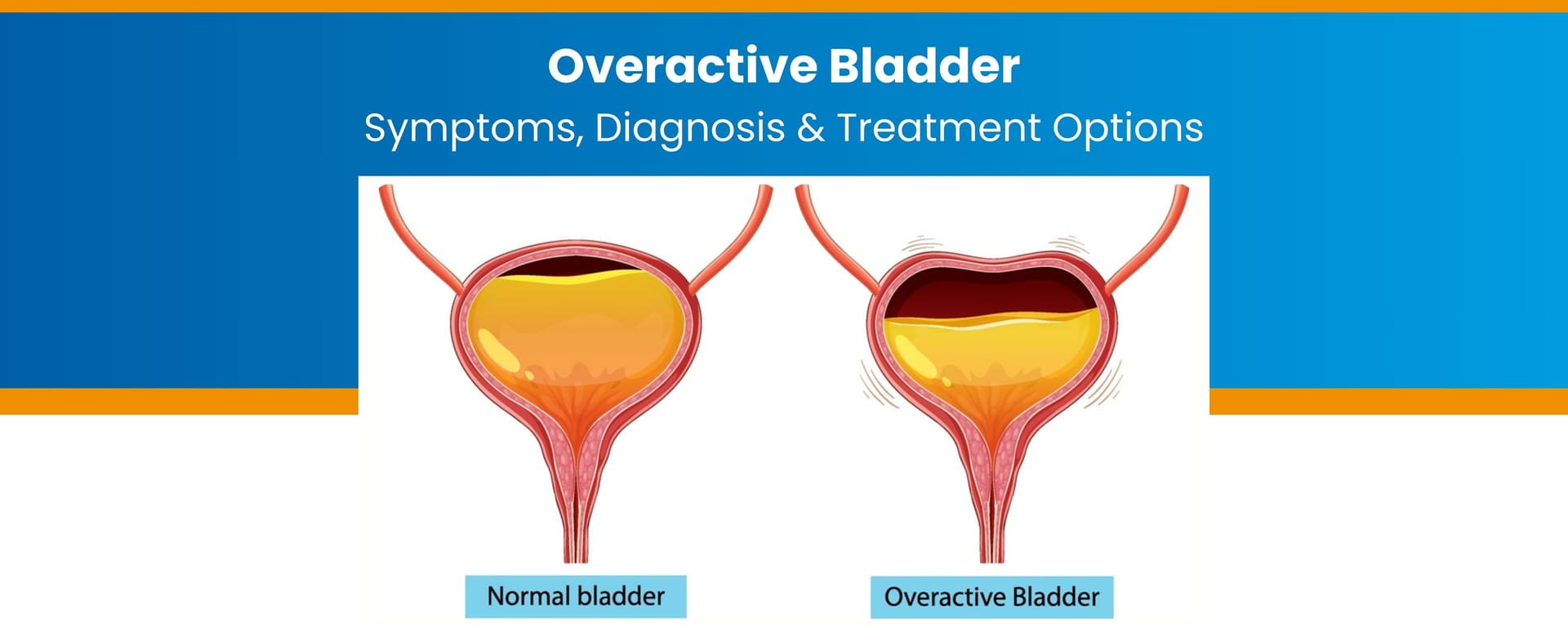
Overactive bladder is a common problem and not a personal failing or an inevitable part of ageing. It disrupts work, sleep, and social lives, yet far too many people suffer in silence. Stop waiting to seek help because of misplaced shame.
Modern medicine offers various strategies to effectively manage this condition. To regain control, you must understand the triggers and recognise the symptoms early. High-quality treatment is available. So, focus on the facts, consult a professional, and stop letting bladder issues dictate how you live your life.
What is an Overactive Bladder?
Overactive bladder refers to a specific group of urinary symptoms initiated by involuntary contractions of the bladder muscle. The condition is primarily identified by urgency, a compelling and sudden need to urinate that is difficult to postpone. Such symptoms may occur with or without urge urinary incontinence.
Since it isn't an infection and doesn't usually cause pain, it's easy to dismiss, but it's really about the signals between your brain and bladder. It affects both men and women and can happen at any age, though it’s more likely as you get older.
Common Symptoms and Their Impact
The symptoms and diagnosis of overactive bladder revolve around a distinctive pattern of urinary complaints. Clear red flags that require attention usually include:
-
A sudden, desperate need to go that feels impossible to ignore
-
Passing urine frequently, specifically more than eight times daily
-
Disruptive nighttime visits to the bathroom that break your rest
-
Accidental leakage of urine because you simply couldn't get there in time
Do not ignore these signs. They are not just part of life. The cumulative strain is heavy, leading people to avoid travel or stop socialising altogether. Moreover, fatigue from nocturia impairs focus and reduces productivity. Addressing these symptoms early is an important step in reclaiming your daily routine.
Causes and Risk Factors
An overactive bladder involves inappropriate contractions of the bladder muscles. While the exact cause is often unknown, risk factors include:
-
Neurological issues (Multiple Sclerosis, Parkinson’s disease)
-
Ageing bladder sensitivity
-
Nerve damage from diabetes
-
Menopausal hormone changes
-
Prostate enlargement
-
Caffeine/alcohol consumption
-
Constipation pressure
This has nothing to do with hygiene or mental weakness. Stop accepting the myth that this is just a normal part of getting older. It is a medical condition that demands a proactive approach. Identify your risks, speak to a professional, and stop letting these symptoms dictate your life.
How Overactive Bladder Is Diagnosed
Do not delay a proper diagnosis of overactive bladder. It is the only way to rule out serious prostate disorders or bladder stones. The diagnostic process is efficient and focuses on finding the truth through clinical assessment.
Your doctor will ask detailed questions on your fluid intake, current medications, and health history. You will likely have to keep a strict bladder diary for several days, recording every drink, every trip to the loo, and every leak. This data is non-negotiable for a correct plan.
Physical examination may include abdominal and pelvic assessment. In some cases, a comprehensive urine test is performed to exclude infection or blood in the urine. Additional tests, such as ultrasound scans or urodynamic studies, might be recommended if symptoms are severe, persistent, or unclear.
Conservative Management Strategies
Effective management of overactive bladder starts with taking practical, non-invasive action. These first-line treatments are the gold standard because they are safe, drug-free, and address the root of the problem. If you are consistent, you will see a significant reduction in your symptoms and a massive boost to your quality of life.
Essential management strategies include:
-
Urotherapy: This behavioural therapy involves timed voiding, reduced intake of fluids to increase the intervals between voids.
-
Pelvic floor muscle exercises: You must commit to strengthening your pelvic floor. These exercises are a non-negotiable part of stopping leaks and urgency.
-
Lifestyle modifications: Eliminating irritants such as caffeine and alcohol is a high-impact adjustment. Weight optimization and digestive health management are also vital to reduce the physiological load on the bladder.
These strategies are the bedrock of managing overactive bladder. It’s important to consider them before moving on to medications or specialist procedures.
Medication-Based Treatment Options
If you’re still struggling, you must consider medication as the next vital phase in managing an overactive bladder. Don't continue to suffer when proven ways exist to relax your bladder muscles and improve communication between your bladder and your nerves.
The options you need to know are:
-
Antimuscarinic medicines: These relax the bladder to stop the urgency. Yes, there can be side effects, such as dry mouth, but the relief from leakage is significant.
-
Beta-3 adrenergic agonists: A cutting-edge class that helps your bladder relax effectively. They often have a much better track record for being side-effect-free.
The right choice is yours, but you must act. Schedule a follow-up with your healthcare professional to monitor your progress. Do not let symptoms persist when medical solutions are sitting right there. Take the next step, get the right prescription, and finally reclaim your quality of life.
Advanced and Specialist Treatments
If you are still suffering, stop waiting. When medication and habits aren't enough, specialist overactive bladder care is the necessary response. A urologist can provide advanced treatments that target the root cause of your symptoms more aggressively than standard pills ever could.
Specialist treatment options include:
-
Botulinum toxin injections to the bladder: This simple treatment helps stop the bladder from squeezing when it shouldn't. It usually works for several months, and you can have it again if it helps you feel better.
-
Nerve stimulation therapies: Sacral neuromodulation uses electrical impulses to modulate bladder nerves, aiming to restore normal function.
-
Surgical treatment: Augmentation of bladder is the final, definitive answer. As the ultimate last resort, it is reserved for the most severe cases that have failed to respond to all other advanced medical treatments.
Long-Term Management and Quality of Life
It is important to commit to long-term management now to secure effective control. While there isn't a permanent cure, most people can, and do, regain their confidence and active lifestyle by using the right combination of treatments. You must be proactive to see results.
Key aspects:
-
Education: Recognising it as a medical condition reduces stigma and encourages engagement with self-care.
-
Follow-up: Regular reviews are essential. They allow healthcare providers to adjust plans as symptoms evolve and manage any side effects.
-
Combined Approach: Multi-strategy plans work best. Lifestyle changes, bladder training, and exercises provide the foundation for success.
Maintaining an open channel of communication with healthcare providers is vital for the sustained modulation of bladder activity and overall quality of life.
When to See a Urologist
Knowing when to see a urologist is a very practical way to manage your health. While your GP is great for the basics, a urologist is the person to see if things are getting worse or if you're dealing with blood or pain. Specialist input is helpful because they have access to advanced tests and treatments that aren't available at the local surgery. Getting a referral when you need it ensures your treatment plan is exactly right for your symptoms, helping you get back to your normal routine faster.
Conclusion
Overactive bladder is a problem with very practical solutions. You don't need to endure it. By getting a proper diagnosis, you can start exploring treatment options for overactive bladder that fit your schedule.
Combine reduced caffeine, regular pelvic exercises, and prescribed medication for maximum symptom control. Long-term management is about finding what works for you and sticking with it to keep your confidence high. If urgency or leaks are making things difficult, reach out for professional advice. It’s the smartest way to get back in control.








