 Nephrology
 Urology
 Andrology
 Fertility (IVF)
 General Nephrology
 Paediatric Nephrology
 Dialysis
 Renal (Kidney) Biopsy
 CRRT
 Peritonial Dialysis
 Robotic Surgery
 Urinary Incontinence
 Uro-Oncology
 Laparoscopic Urology
 Reconstructive Urology
 Anaesthesiology
 Radiodiagnosis
 Nutrition and Dietetics
 Pediatric and Immunization
 Cardiology
 Intensive Care Unit




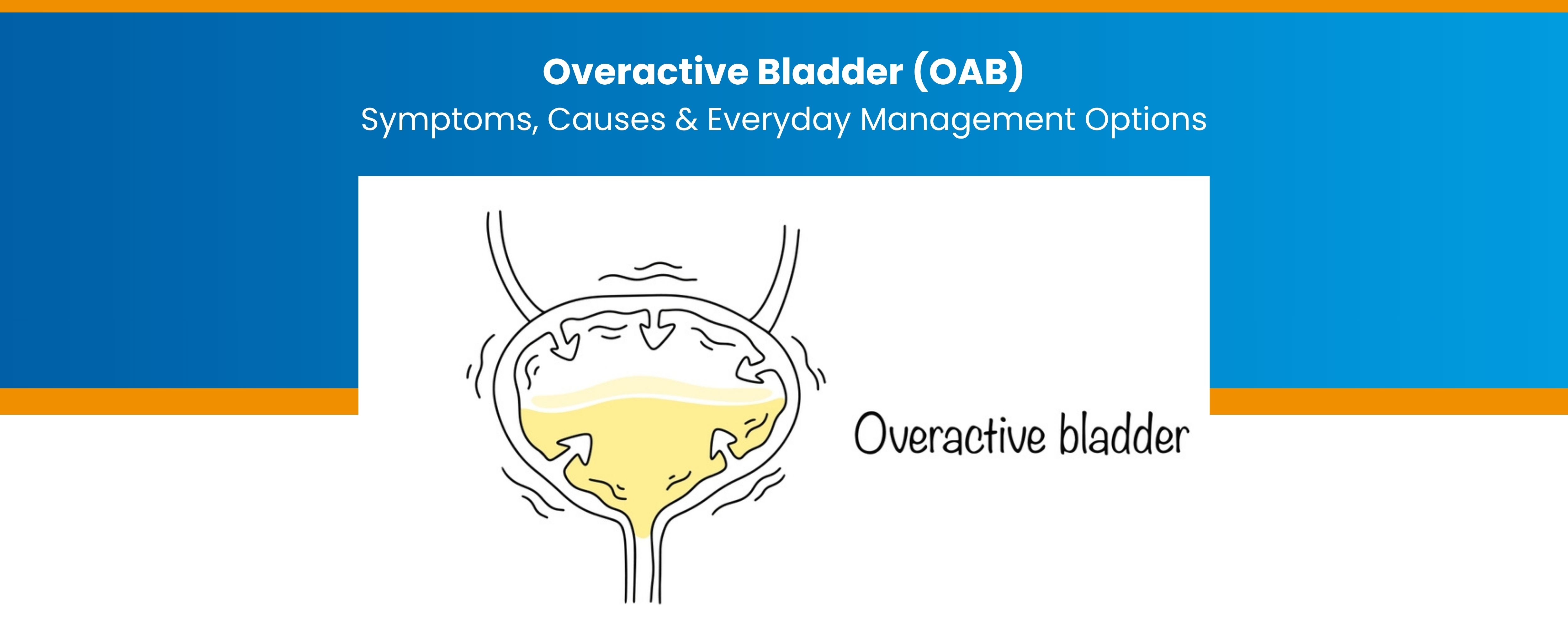
Do you constantly have the urge to urinate? Are you always running to the washroom? Do you wake up multiple times at night to urinate?
You may have an overactive bladder.
Millions of people silently deal with an overactive bladder every single day. Studies show that 1 in 6 adults experience symptoms of overactive bladder; however, most do not talk about it.
Most people think it is a normal part of aging, whereas others feel embarrassed.
An overactive bladder may seem like a minor inconvenience at first, but over time, it can affect your sleep, work performance, travel plans, confidence, and overall quality of life.
But the good news is that an overactive bladder is treatable in most cases.
At NU Hospitals, Bengaluru, our urologists understand how frustrating this condition can be. Our doctors focus on identifying the causes of your overactive bladder.
If you want to learn more about an overactive bladder, OAB treatment, and overactive bladder management, read this blog.
What Is Overactive Bladder (OAB)?
Meaning of Overactive Bladder
An overactive bladder is a condition where your bladder muscle contracts suddenly and without warning, even when it is not full. This can lead to:
-
Sudden urge to urinate
-
Frequent bathroom visits
-
Possible urine leakage
It is quite common and treatable. Therefore, you don't need to suffer silently anymore.
How OAB Affects Bladder Control
If you have OAB:
-
Your bladder muscles contract involuntarily.
-
The "full" signal is sent early.
-
You lose the ability to hold your urine comfortably.
Is OAB a Disease or a Condition?
OAB is a medical condition or a collection of symptoms. It is usually related to your nerve signals or bladder muscle function.
Common Symptoms of Overactive Bladder
Understanding the symptoms of an overactive bladder is the first step toward getting relief. It is more than the frequency of your urination; it is about the intensity of your urge to pass urine.
Sudden Urge to Urinate (Urgency)
-
This is the primary symptom of OAB.
-
A strong urge to urinate that is difficult to ignore along with the fear that you will not make it to the toilet in time.
Frequent Urination During the Day
-
Most people urinate up to 8 times in 24 hours.
-
People suffering from OAB may go 10 to 15 times a day.
-
You may only urinate small amounts each time.
Night-time Urination (Nocturia)
-
Waking up even once at night to urinate.
-
This may lead to poor sleep quality and daytime fatigue.
Urge Incontinence (Urine Leakage)
-
This is an involuntary loss of urine following a sudden urge to urinate..
What Causes an Overactive Bladder?
Understanding what causes an overactive bladder helps doctors to plan the correct treatment for you. There are usually multiple casual factors.
Nerve and Muscle Control Problems
-
Your brain tells your bladder to empty when it should not.
-
Your bladder muscles are over-sensitive or hyper-irritable.
Hormonal Changes and Aging
-
After menopause, low estrogen levels can weaken your bladder and pelvic floor.
-
While it is not normal, your bladder capacity can decrease with age.
OAB in Men vs Women
Overactive bladder in women can be caused by:
-
Pregnancy
-
Childbirth
-
Menopause
Overactive bladder in men can be caused by:
-
Enlarged prostate
-
Prostate surgery
-
Urinary obstruction
Medical Conditions Linked to OAB
Certain medical conditions can worsen your symptoms of overactive bladder:
-
Diabetes
-
Urinary tract infections
-
Neurological disorders
-
Obesity
How Overactive Bladder Is Diagnosed
Getting a proper overactive bladder diagnosis is important before you start your treatment.
Bladder Diary & Symptom Assessment
-
You track what you drink and when you urinate for 3 days.
-
This helps your doctor to see patterns in your habits.
Urine Tests to Rule Out Infection
-
It is a urinalysis to check for pus cells and red blood cells in your urine.
-
If an infection is present, treating it can solve your urgency.
Urodynamic Tests (When Needed)
-
Urodynamic includes filling and voiding phases.
-
During the filling phase, look for a sudden rise in bladder pressures causing urine leak.
Everyday Management Tips for Overactive Bladder
Lifestyle plays a huge role in your overactive bladder management.
Bladder Training Techniques
-
Going to the washroom at set intervals, even if you do not get the urge.
-
Reduce intake of fluids.
Pelvic Floor (Kegel) Exercises
-
Practice Kegel exercises to strengthen the muscles that support your bladder.
-
It helps to suppress any involuntary bladder contractions.
Fluid Timing & Healthy Hydration
-
Avoid overdrinking water.
-
Limit fluids 2 hours before your bedtime to reduce nighttime urination.
Diet Changes to Reduce Bladder Irritation
-
Avoid caffeine, alcohol, spicy foods, and artificial sweeteners.
-
Add high-fiber foods to prevent constipation. As it can put pressure on your bladder.
Medical Treatment Options for OAB
If lifestyle changes are not enough, OAB treatment can provide you with relief.
Medications to Relax the Bladder
-
Anticholinergics are medicines that block the signals that cause your bladder to contract.
-
Beta-3 agonists help your bladder hold more urine by relaxing the muscle during filling.
Botox Injection for Overactive Bladder
-
Botox is injected directly into your bladder muscle to help it relax.
-
The effects usually last 6 to 9 months.
Nerve Stimulation Therapies
-
In PTNS (Percutaneous Tibial Nerve Stimulation), a tiny needle sends pulses to the nerves near your ankle that control your bladder.
-
Sacral neuromodulation is a small device that is implanted under your skin to regulate bladder signals.
Living with Overactive Bladder
Coping with OAB at Work & Social Life
-
Practice bladder training
-
Avoid triggering drinks before meetings
-
Carry spare clothing or wear adult diapers
Emotional Impact and Quality of Life
-
OAB can cause you anxiety and social isolation.
-
Ask for help, as this condition is quite common.
When Symptoms Should Not Be Ignored
-
Blood in urine
-
Pain during urination
-
Recurrent urine infections
Overactive Bladder Treatment at NU Hospitals, Bangalore
At NU Hospitals, Bengaluru, we focus on holistic care.
Experienced Urologists
Our team consists of the best urologists in India, specializing in both male and female urinary health.
Personalized OAB Management Plans
Your treatment plan is built around your condition and medical history.
Advanced Diagnostics & Minimally Invasive Care
From state-of-the-art urodynamics to laparoscopic surgery, we have it all.








