 Nephrology
 Urology
 Andrology
 Fertility (IVF)
 General Nephrology
 Paediatric Nephrology
 Dialysis
 Renal (Kidney) Biopsy
 CRRT
 Peritonial Dialysis
 Robotic Surgery
 Urinary Incontinence
 Uro-Oncology
 Laparoscopic Urology
 Reconstructive Urology
 Anaesthesiology
 Radiodiagnosis
 Nutrition and Dietetics
 Pediatric and Immunization
 Cardiology
 Intensive Care Unit




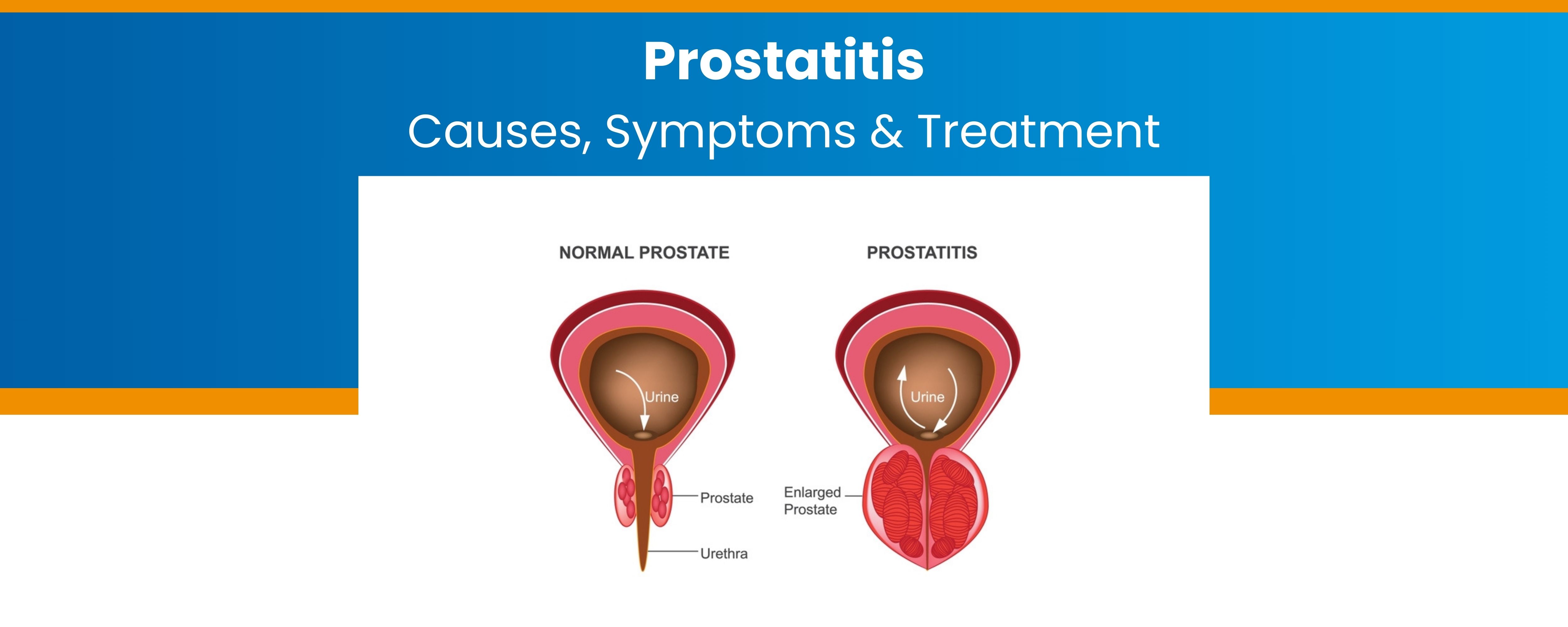
Men, the constant burning sensation that you feel down there does not have to disrupt your life. It is something that can be treated.
It might seem like a minor condition can actually be quite uncomfortable, affecting your day-to-day routine. Men, your health is not something you should be ashamed of.
You might be dealing with a condition called prostitis. Prostatitis affects up to 8-10% of men at some point in their lives. It is one of the most common urological conditions for men under the age of 50.
If you are suffering from prostatitis, don't worry. At NU Hospitals, we are here to help you. We offer you specialized, patient-centric care for this complex condition.
Read through the blog to learn more about prostatitis, the causes of prostatitis, and treatment for prostatitis.
What is Prostatitis? Understanding Prostate Inflammation and Infection in Men
Your prostate is a small walnut-sized gland that is present only in men. It is located right below your bladder. Your prostate produces the fluid that nourishes and transports your sperm.
Now, prostatitis is the inflammation or swelling of your prostate gland. When your prostate becomes inflamed, it swells. As it surrounds your urethra, this swelling can press on it. This can often cause you painful urinary and sexual symptoms.
Prostatitis can affect men of any age. It may start suddenly or linger for months.
Prostatitis is not always an infection. The causes of prostatitis can range from common bacteria to stress and lifestyle factors
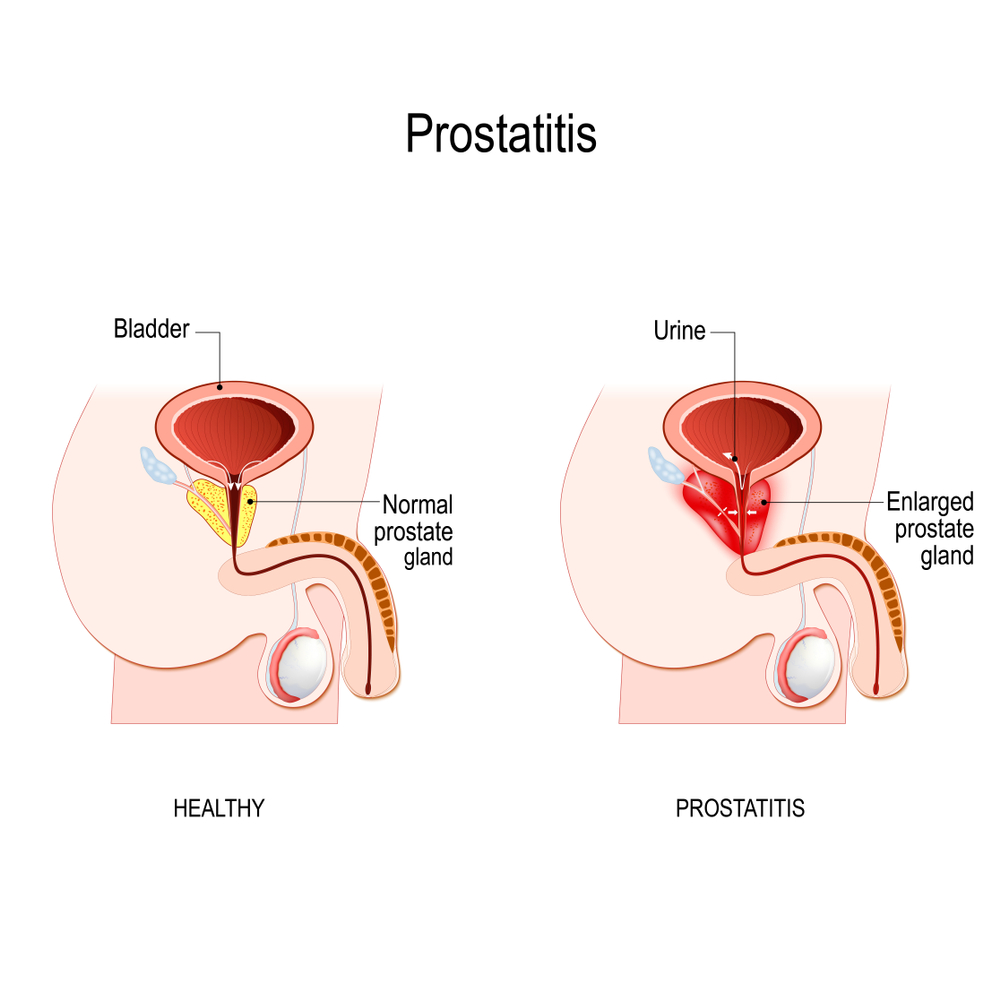
Types and Common Causes of Prostatitis
Prostatitis is usually divided into four main groups. The causes of prostatitis are different for each type. Hence, an accurate diagnosis is very important for the treatment of prostatitis.
Acute and Chronic Bacterial Prostatitis
This type of prostatitis is caused by a bacterial infection. The bacteria usually travel from your urinary tract into your prostate.
1. Acute Bacterial Prostatitis (ABP):
-
It is a sudden and severe infection.
-
The symptoms are quite intense and require immediate medical attention.
-
Bacteria are easily found in your urine and prostate fluid.
2. Chronic Bacterial Prostatitis (CBP):
-
There might be recurrent or constant bacterial infections.
-
The symptoms are often milder than acute. However, it can last for months or even years.
-
It is usually linked to a previous UTI or any condition that causes your urine to back up into your prostate.
Chronic Pelvic Pain Syndrome (Nonbacterial Prostatitis)
It is the most common and least understood form of prostatitis. This accounts for about 90% of all the prostatitis cases.
-
Even though the symptoms are quite severe, the standard tests find no bacteria.
-
The triggers for this condition may include muscle tension, nerve irritation, chemical inflammation, or even emotional stress.
-
There are two different types, such as inflammatory and non-inflammatory.
Asymptomatic Inflammatory Prostatitis
-
Most men are usually unaware of their condition.
-
It is usually discovered when your doctor checks for other conditions, such as a fertility evaluation or prostate cancer screening.
-
Since there are no symptoms, it usually does not require any active treatment for prostatitis.
Signs and Symptoms: When to Consult NU Hospitals’ Urology Experts in Bangalore
The symptoms of prostatitis can range from mild irritation to constant pain. Knowing these signs will mean you will have a better idea about your condition.
1. Lower abdominal, pelvic, or genital pain
Pain is the main symptom. You can feel it in several places in your body.
-
Pain or discomfort between your scrotum and anus.
-
Pain in your lower abdomen or back.
-
Discomfort between your penis, testicles, or scrotum.
-
Pain during your bowel movement.
2. Urinary discomfort and changes
-
Burning or pain during urination.
-
Frequent need to urinate, especially at night.
-
Urgent need to urinate.
-
Difficulty starting urination.
-
Weak or interrupted urine stream.
3. Fever, chills, and painful ejaculation
-
Fever and chills are common symptoms of acute bacterial Prostatitis. It is also a sign that immediate treatment is needed.
-
Painful ejaculation can severely impact your quality of life and sexual health.
Advanced Diagnostic Techniques at NU Hospitals, Bangalore
You will need an accurate diagnosis to get effective treatment for prostatitis. At NU Hospitals, we offer several precise diagnostic tests to identify your prostatitis condition accurately.
-
Urine tests help to detect any bacterial infections.
-
Blood tests identify certain inflammation markers.
-
Prostate fluid analysis helps to differentiate between bacterial and nonbacterial prostatitis.
-
Ultrasound/MRI helps in detecting structural abnormalities or chronic inflammation.
At NU Hospitals, every patient receives a personalized diagnostic plan. This helps to make sure you get the right treatment for prostatitis.
Comprehensive Treatment Options for Prostatitis
There are different causes of prostatitis; therefore, the treatment for prostatitis is also different.
Targeted Antibiotics for Bacterial Infection
-
It is the first line of therapy for bacterial prostatitis.
-
It helps to make sure the infection is fully cleared. This prevents recurrence.
Alpha-Blockers and Anti-Inflammatory Medications
-
The medicines will help to relax your bladder neck and reduce any gland swelling.
-
It helps to relieve any urinary discomfort or pressure.
Pain Management and Physiotherapy
-
Certain simple painkillers and pelvic floor physiotherapy can help you improve your comfort.
Lifestyle Modifications and Supportive Care
Certain lifestyle changes can make a huge difference.
-
Cut back on caffeine, alcohol, and spicy foods. It can aggravate your bladder and prostate.
-
Drink an adequate amount of water. It helps to flush your urinary tract and prevents concentrated urine from irritating the bladder.
Alternative Therapies: Sitz Baths, Meditation, or Yoga
-
Sitz baths help to get relief by relaxing your pelvic muscles.
-
Meditation or yoga to relieve tension in the pelvic floor muscles.
Preventive Measures and Lifestyle Tips for Prostate Health in Bangalore
Taking proactive care can lower your chances of recurrent prostatitis and also speed up your recovery.
Diet and hydration guidelines
-
Focus on whole foods, vegetables, and lean protein.
-
Minimize intake of acidic drinks such as cold drinks and high-dose caffeine.
-
Incorporate foods rich in Omega-3 fatty acids in your diet
Exercise and stress management
-
Try walking or swimming.
-
Avoid excessive cycling during acute flare-ups, as it can put pressure on the perineum.
-
Chronic stress can contribute to muscle tension. Therefore, try meditation or yoga.
Avoiding risk factors and infections
-
This reduces the risk of STIs by practicing safe sex. It can be a cause of your prostatitis.
-
Don't rush when urinating and empty your bladder fully.








