 Nephrology
 Urology
 Andrology
 Fertility (IVF)
 General Nephrology
 Paediatric Nephrology
 Dialysis
 Renal (Kidney) Biopsy
 CRRT
 Peritonial Dialysis
 Robotic Surgery
 Urinary Incontinence
 Uro-Oncology
 Laparoscopic Urology
 Reconstructive Urology
 Anaesthesiology
 Radiodiagnosis
 Nutrition and Dietetics
 Pediatric and Immunization
 Cardiology
 Intensive Care Unit




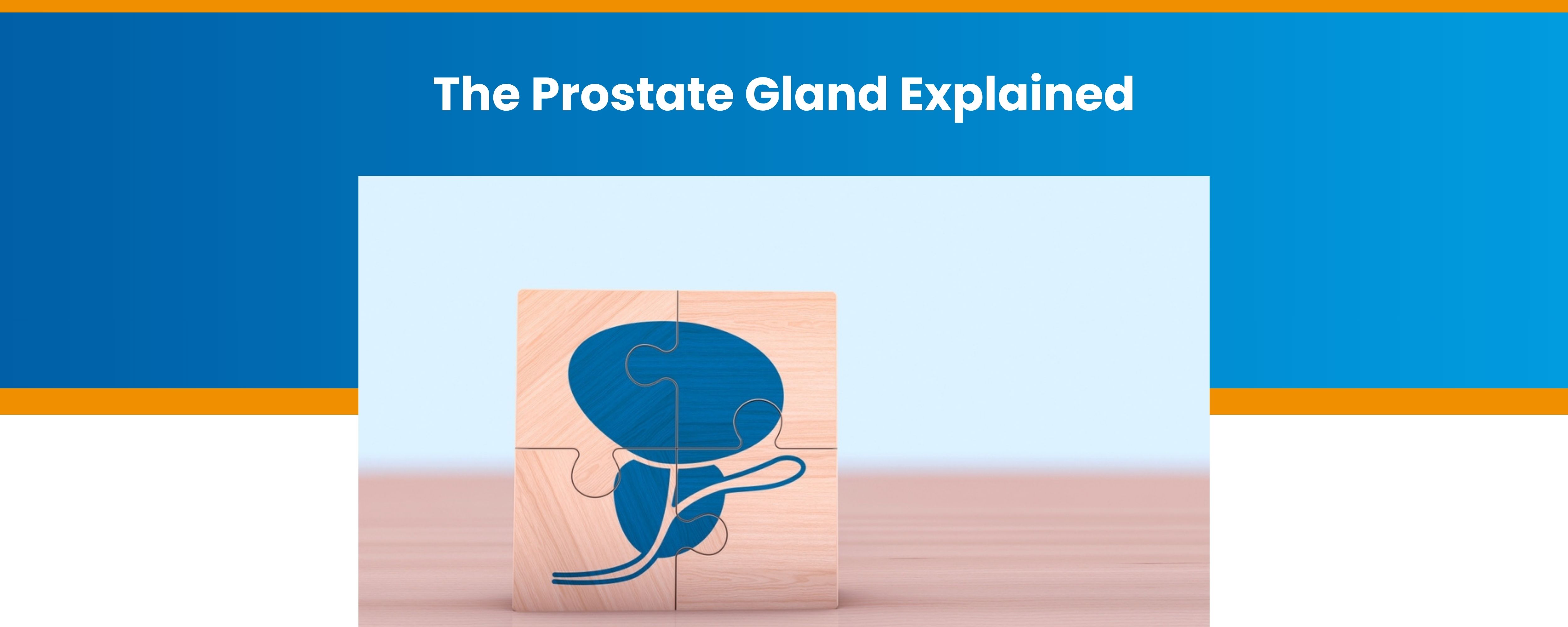
In the landscape of men’s health, few organs are as central yet as misunderstood as the prostate gland. Often described as walnut-sized, this little gland plays a major role in both the comfort of the urinary system and the success of reproduction. Even though it is a major problem, many men do not recognise this as a reality until much later in life.
At NU Hospitals, the Specialised Men’s Health Clinics focus on a proactive approach. By using advanced technologies such as 3T MRI and urodynamic investigations, urologists can go beyond basic physical checks and create an accurate health map for each patient. Understanding the prostate gland today can prevent significant complications tomorrow.
What Is The Prostate And Where Is It Located?
To comprehend prostate health among men, it is important to determine the location of the prostate gland. It sits deep within the pelvis, positioned just below the bladder and directly in front of the rectum.
Since the prostate gland completely encloses the urethra, the passageway via which urine and semen exit the body, it is the most important organ in the human body. Because of its "doughnut-like" structure, any change in the size or density of a man's glands may immediately affect the urine habits.
Anatomy of the Prostate
The prostate possesses an organised internal structure, by which doctors can determine the patterns of the disease:
Transition Zone vs Peripheral Zone:
-
The urethra is encircled by the transition zone, which usually increases in size with age.
-
The outer part is referred to as the peripheral zone, and most prostate cancers start here.
Hormonal regulation:
Dihydrotestosterone (DHT) regulates prostate tissue growth and development.
Muscular and glandular components:
These assist in the production and secretion of seminal fluid.
An understanding of the anatomy aids in diagnosis and treatment planning.
The Primary Prostate Function
The main function of the prostate is reproductive. It acts as a secretory gland that secretes a thin, milky, alkaline fluid. Approximately 20 to 30 per cent of the entire volume of semen is made up of this liquid.
This secretion is vital for several reasons:
1. Sperm Survival:
The alkalinity of the fluid helps neutralise the acidic environment of the vaginal tract, ensuring sperm remains viable.
2. Motility:
The sperm can readily move towards the egg because of the fluid's enzymes, such as Prostate-Specific Antigen (PSA), which help liquefy semen after ejaculation.
3. Hormonal Influence:
Dihydrotestosterone (DHT), a potent hormone that regulates the growth and function of prostate cells, is highly sensitive to the gland.
Normal Prostate Size by Age
One of the most common questions urologists hear is about the "normalcy" of growth. It is a biological fact that the prostate gland undergoes two main growth spurts. The former occurs in the middle of adolescence, whereas the latter occurs around age 45 and continues through most men's lives.
Due to this constant development, the average prostate size at age changes tremendously. What is considered "normal" for a 20-year-old would be considered remarkably small for a man of 70.
Prostate Size Chart by Age
Age Group |
Normal Prostate Volume |
20-30 years |
15–20 cc |
31-40 years |
20–25 cc |
41-50 years |
25–30 cc |
51-60 years |
30–40 cc |
61+ years |
40 cc and above (variable) |
Understanding BPH and Urethral Compression
As the gland grows, particularly in the transition zone, it begins to compress the urethra. It is referred to as benign prostatic hyperplasia (BPH). Although BPH is not a malignancy, it is a disabling condition that impairs one’s lifestyle owing to the compression of the urethra.
When the tube is squeezed, the bladder must work much harder to push urine out. Gradually, the bladder wall thickens and becomes hypersensitive, leading to frequent, urgent urination, especially at night.
Comparison: Healthy Prostate vs BPH
Feature |
Healthy Prostate |
Benign Prostatic Hyperplasia (BPH) |
Size |
Normal |
Enlarged |
Prostatic Urethra |
Open |
Urethral compression |
Urinary pattern |
Smooth and regular |
Slow, frequent, interrupted |
Night urination |
Rare |
Frequent |
Quality of life |
Good |
Disturbed sleep and urgency |
Why the Prostate Changes with Age
Hormonal activity, especially the effect of Dihydrotestosterone (DHT), drives gradual enlargement. In most cases, growth begins in the transition zone and can extend into later decades.
Age-related enlargement can lead to:
-
Problem with the initiation of urination.
-
Frequent urination at night.
-
Weak urine stream.
-
Sensation of incomplete bladder emptying.
Regular screening helps detect these changes early.
Monitoring Prostate Health
Regular screening is a way of promoting the prostate health of men in the long run. Doctors use clinical examination and progressive imaging to evaluate structure and function.
At NU Hospitals’ specialised men’s health clinics, urologists use:
-
Urine analysis
-
Uroflowmetry
-
Ultrasound scan of abdomen and pelvis
-
Blood tests, such as S. creatinine and Prostate-Specific Antigen (PSA-in selected cases).
-
Urodynamic tests to know the bladder and outflow pressures (in selected cases).
The tests are valuable in addition to physical examination and aid in detecting diseases at an early stage.
Preventive Steps for Long-Term Prostate Health
The key to prostate health is a regular lifestyle and medical check-up. The measures that help to maintain general prostate health in men are the following:
-
Regular screening: Screening of the prostate periodically after midlife or in case of a family history is used in detecting early changes.
-
Physical activity: Active people have a reduced risk of Benign Prostatic Hyperplasia (BPH) and urinary complications.
-
Balanced nutrition: Lean protein and daily fruits and vegetables help keep hormones in check and support healthy glands.
-
Avoiding tobacco: Tobacco usage has a negative impact on prostate function and increases the chance of developing cancer.
Prevention and early education are essential for reducing long-term prostate disease risk.
Conclusion
Although the prostate gland is small, it has a significant impact on a man's quality of life. From its intricate prostate function in reproduction to the challenges posed by urethral compression in later years, being educated is the best approach due to its complex prostate role in reproduction.
The timely screening and treatment of the enlarged prostate in NU Hospitals helps to make sure that it is not a life-changing disease, but an enlarged one that is treatable. With a systematic health roadmap, men can maintain their urinary and reproductive health for decades.








