 Nephrology
 Urology
 Andrology
 Fertility (IVF)
 General Nephrology
 Paediatric Nephrology
 Dialysis
 Renal (Kidney) Biopsy
 CRRT
 Peritonial Dialysis
 Robotic Surgery
 Urinary Incontinence
 Uro-Oncology
 Laparoscopic Urology
 Reconstructive Urology
 Anaesthesiology
 Radiodiagnosis
 Nutrition and Dietetics
 Pediatric and Immunization
 Cardiology
 Intensive Care Unit




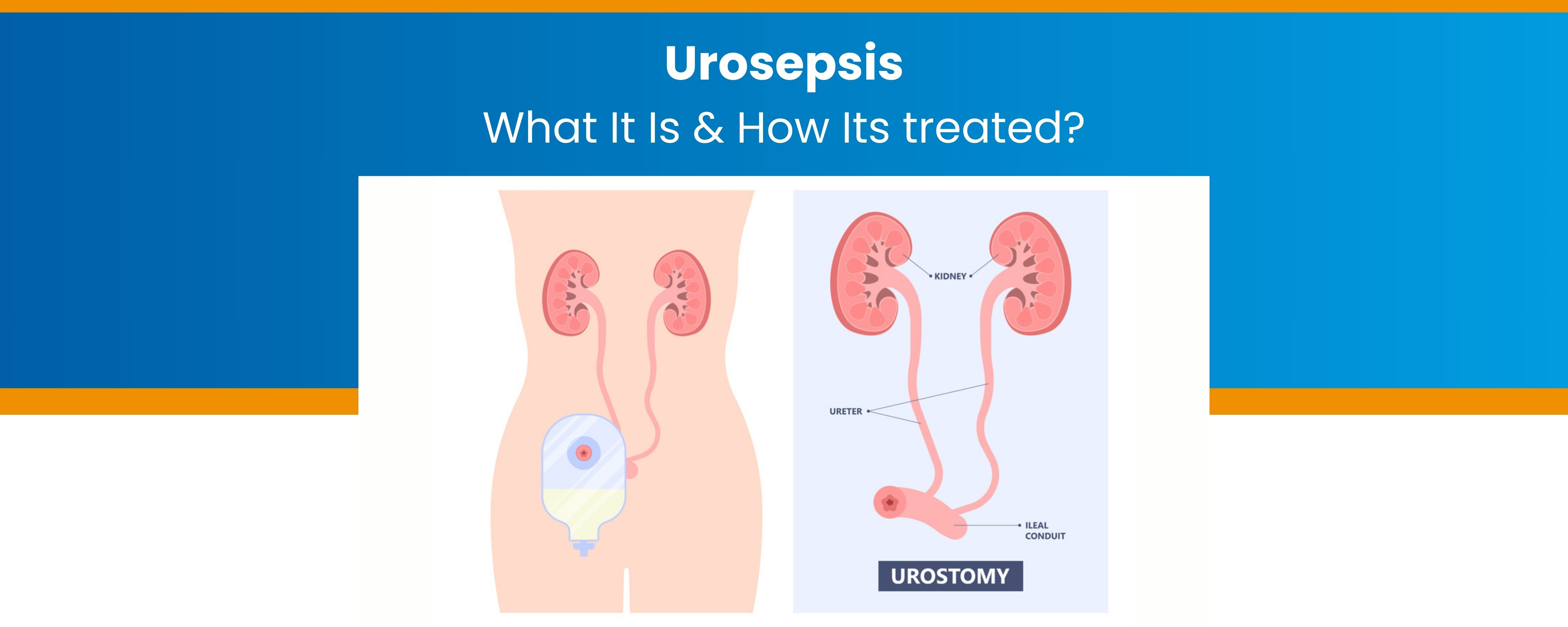
Urosepsis is a medical emergency that occurs when a urinary tract infection enters the bloodstream. While many UTIs are minor, this escalation may be fatal. Prompt identification and urgent medical treatment are non-negotiable for ensuring patient survival.
It is vital to understand its development and management to improve survival rates. This guide defines “What is urosepsis”, how the infection migrates, the specific warning signs to monitor, and the essential medical treatments used to prevent the condition from becoming fatal.
What is Urosepsis?
Bacteria entering the urinary tract can lead to a UTI. While most cases are uncomplicated, some bacteria may migrate into the kidneys and then to the vascular system. In simple terms, it is UTI with organ dysfunction.
It is a condition where sepsis is triggered by a urinary tract infection. When the immune system overreacts, it releases chemicals that cause inflammation throughout the body. This response impairs blood flow and damages vital organs instead of defending them. Consequently, Urosepsis is classified as a systemic medical emergency. It is a critical escalation from a standard infection, impacting all major bodily systems and requiring immediate medical care.
How Urosepsis Develops
Urosepsis usually begins as a bacterial urinary tract infection, often as an escalation of unresolved infection in the bladder or kidneys. If treatment is ineffective, bacteria move into the kidneys (pyelonephritis) and then into the bloodstream. The immune response causes leaky vessels and hypotension, leading to reduced oxygen delivery and potential septic shock. This can cause the failure of the vital organs (kidneys, liver, heart, lungs, and brain).
From a urological standpoint, early intervention in lower urinary tract infections is essential to prevent systemic spread. Once urosepsis is diagnosed, the focus must shift to both managing the systemic inflammatory response and addressing any underlying urological obstructions that may be fuelling the infection.
Causes of Urosepsis
Understanding the causes of urosepsis is vital for early intervention. These causes relate to factors that enable bacteria to thrive in the urinary tract or prevent the normal expulsion of urine. If bacteria are not cleared, they can enter the blood, causing a severe systemic inflammatory response.
Common causes and risk factors include:
-
The commonest cause is uncontrolled diabetes
-
Untreated UTIs: Spreading beyond the lower urinary tract.
-
Pyelonephritis: Infection of kidneys (can be from bladder or directly from blood stream)
-
Obstructions: Stones, tumours, or BPH trapping urine.
-
Long-term Catheters: Acting as a pathway for bacteria.
-
Medical Care: Introducing pathogens during urological procedures.
-
Low Immunity: Older adults and those with chronic illnesses.
-
Pregnancy: Susceptibility through altered urine flow.
-
Neurological Disorders: Inhibiting effective bladder emptying.
Targeted treatment of these underlying conditions is necessary to halt the systemic inflammatory response.
Symptoms of Urosepsis
The symptoms of urosepsis are a medical emergency. What begins as cloudy urine or pain during urination can rapidly become life-threatening. Advanced symptoms of urosepsis include high temperature, with chills and rigors, flank pain, vomiting, weakness, dehydration, rapid pulse, increased effort in breathing, low urine output, and disorientation, requiring urgent hospital assessment.
Nausea and reduced urine output signal that the kidneys are involved. In critical cases, cold skin and blue-tinted lips indicate septic shock. Because these symptoms progress quickly, early recognition is essential for life-saving hospital treatment.
Urosepsis Diagnosis
The diagnosis and treatment of urosepsis are straightforward. Doctors begin by reviewing symptoms, past medical history, and physical examination findings. Blood pressure, heart rate, temperature, and oxygen levels are carefully monitored.
Laboratory tests are essential. Detailed blood tests show signs of infection, inflammation, and organ dysfunction. Blood cultures are taken to identify the bacteria causing the infection. Urine tests help confirm the urinary source and detect the presence of harmful bacteria, white blood cells (WBCs), or blood.
Imaging studies, such as CT scans or ultrasound, may be used to evaluate for kidney infections, abscesses, or blockages that could trap bacteria in the urinary tract. Identifying and correcting these problems is a key part of treatment.
Treatment of Urosepsis
Safety protocols for the diagnosis and treatment of urosepsis require that all suspected cases be treated with extreme urgency. Patients need to be admitted, sometimes in ICU. The diagnosis and treatment of urosepsis must include the immediate delivery of intravenous antibiotics to kill the invading bacteria. These are initially broad-spectrum antibiotics, with a shift to specific antibiotics once the bacterial type and sensitivity are known. This is a critical safety step to prevent the infection from overwhelming the body's defences.
Fluid therapy is another essential safety measure used to support blood pressure and organ health. If intravenous fluids alone do not improve the blood pressure, then vasopressors (drugs to improve the blood pressure) are used to supply the vital organs. Some patients will also need oxygen or temporary dialysis. Strict control of Diabetes is essential.
However, treatment is not complete until the source of the urinary tract infection is addressed. Surgical drainage in the form of the ureteric stenting or PCN (Percutaneous Nephrostomy) catheters may need to be placed to improve the drainage of the blocked kidneys.
Recovery & Long-term Outlook
In the long term, patients and their families should be aware that recovery can be a slow process. Long-term issues such as kidney problems and fatigue are common. Mandatory follow-up care is part of the safety pathway to ensure the infection is gone and that organs are healing.
Ensuring diabetes is well controlled. Preventing future urinary infections is also a major focus, as repeat infections can trigger a new episode of sepsis. Education on infection prevention is a vital part of the discharge process for all urosepsis patients.
Preventing Urosepsis
Avoiding urosepsis starts with treating urinary tract infections completely. Focus on drinking water, practising clean habits, and emptying your bladder whenever necessary.
Those with recurrent UTIs, kidney stones, or prostate problems should receive regular medical monitoring. Managing chronic conditions such as diabetes also lowers the risk of infection.
When to Seek Emergency Care for Urosepsis
Knowing when to seek emergency care for urosepsis can save lives. Any person with a known or suspected urinary infection who develops fever, chills, confusion, rapid breathing, or severe weakness should be taken to the hospital immediately.
Emergency care must be sought if blood pressure is low, syncope occurs, urine output is reduced, or bluish skin is present. These are signs of septic shock, requiring urgent intensive treatment. Delaying medical care by even a few hours significantly increases the risk of death. Under safety protocols, urosepsis should always be classified and treated as a critical medical emergency requiring hospitalisation.
Conclusion
Urosepsis is a life-threatening complication where a urinary infection triggers a systemic crisis. Recognising the symptoms of urosepsis and seeking help are vital for survival. With the correct diagnosis and treatment of urosepsis, including antibiotics and supportive care, many patients recover. Vigilance and rapid response remain our strongest defences.








