 Nephrology
 Urology
 Andrology
 Fertility (IVF)
 General Nephrology
 Paediatric Nephrology
 Dialysis
 Renal (Kidney) Biopsy
 CRRT
 Peritonial Dialysis
 Robotic Surgery
 Urinary Incontinence
 Uro-Oncology
 Laparoscopic Urology
 Reconstructive Urology
 Anaesthesiology
 Radiodiagnosis
 Nutrition and Dietetics
 Pediatric and Immunization
 Cardiology
 Intensive Care Unit





Winter is here—the perfect time to curl up under a blanket with something warm. But are you eating right to protect your kidneys this season?
During winter, water intake often drops while cravings for rich comfort foods increase. This can put extra strain on your kidneys. Reduced hydration and dietary imbalances may even trigger urinary infections, which can harm kidney function over time.
Chronic Kidney Disease (CKD) affects nearly 8–10% of adults globally, and its prevalence in India continues to rise. The good news? Making smart food choices throughout the year can help maintain healthy kidneys.
At NU Hospitals, Bangalore, a leader in urology and nephrology, we believe in the power of nutrition. Here’s your complete guide to winter-friendly foods that support kidney health.
Why Winter Nutrition Matters for Kidney Health
1. Dehydration Risk
In cold weather, you sweat and feel thirsty less often, leading to reduced water intake. Kidneys rely on water to flush out toxins—dehydration concentrates these wastes and increases kidney strain.
2. Immunity and Inflammation
Winter brings a higher risk of colds and infections. For those with kidney concerns, controlling inflammation is crucial. A balanced, nutrient-rich diet strengthens your immune system and supports kidney health.
3. Dietary Shifts
Winter comfort foods are often high in sodium, potassium, and phosphorus. People at risk of kidney disease should limit sodium, while those already diagnosed must monitor all electrolytes. Avoid packaged soups, instant broths, and processed foods.
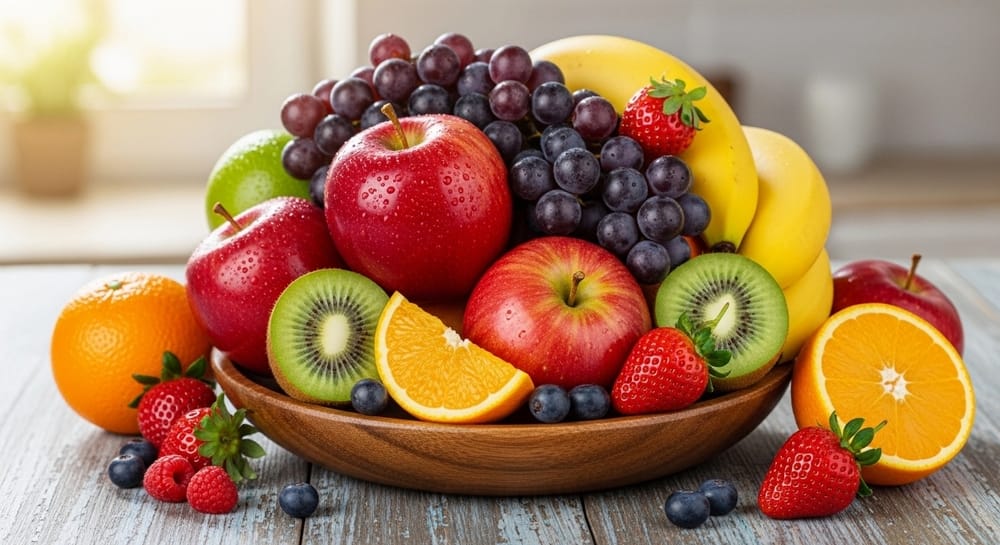
Top Seasonal Fruits for Winter Kidney Care
Fresh fruits hydrate your body and provide essential vitamins and antioxidants. Use them in moderation for kidney health. Here are some options for winter:
Fruits |
Benefits |
Apples |
High in fiber, low in potassium, anti-inflammatory, helps manage cholesterol and blood sugar |
Pears |
Good fiber source, low in potassium—ideal for CKD patients |
Grapes |
Contain flavonoids that reduce inflammation; good for hydration (avoid if diabetic or CKD) |
Guava |
Rich in Vitamin C and antioxidants |
Papaya |
Aids digestion, high in Vitamins A and C, low in potassium |
Berries (Strawberries and Blueberries) |
Rich in antioxidants, low in sodium, reduce oxidative stress |
Pineapple |
Kidney-safe alternative to tropical fruits; aids digestion (avoid if diabetic) |
Consult NU Hospitals’ dietitians to find the best fruits for your individual kidney needs.
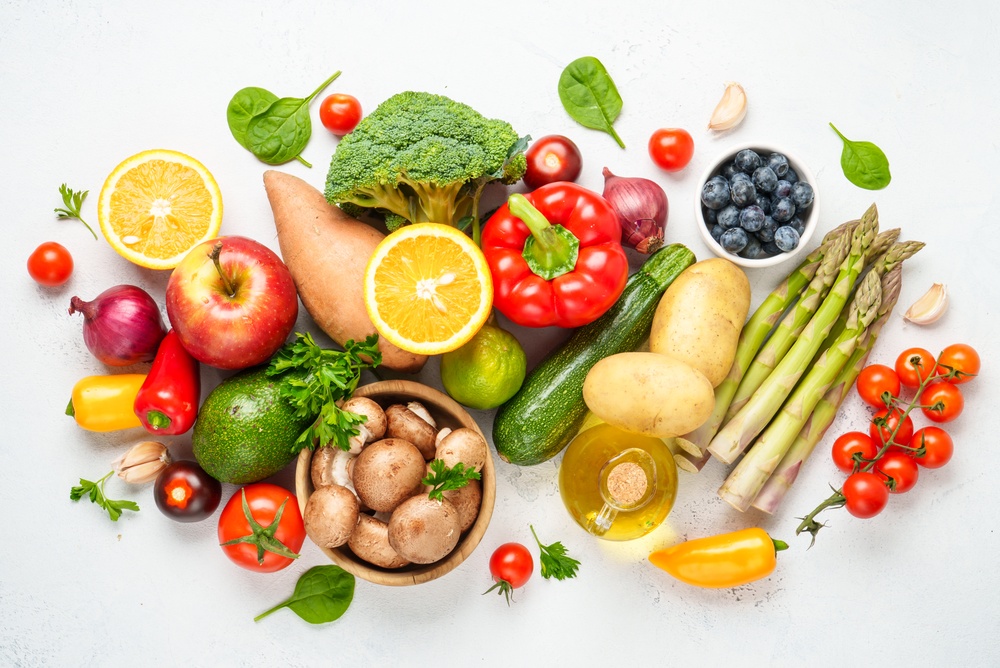
Healthy Winter Vegetables for Kidneys
Vegetables are an important part of any kidney-friendly diet. Choose vegetables low in sodium and potassium
Healthy Winter Vegetables for Kidneys |
Benefits for Kidneys |
Cabbage |
|
Cauliflower |
|
Carrots |
|
Pumpkin |
|
Green beans |
|
Bell Peppers (Capsicum) |
|
Radish |
|
Our renal dieticians can help you design a vegetable plan suited to your needs.
Whole Grains and Lean Proteins: Building a Strong Foundation
Protein supports muscle maintenance, but the right quantity and source matter. Your protein requirements will depend on your age, activity level and health condition
Kidney-friendly protein choices:
-
Egg whites: Pure, low-phosphorus protein
-
Chicken or turkey breast: Lean options—consume in moderate portions
-
Fish (cod, tuna): Rich in omega-3 fatty acids, beneficial for heart and kidney health
- Whole grains: Include moderate amounts of millets, wheat, and lentils for fiber and plant-based protein. If you have potassium restrictions, consult a renal nutritionist before adding them to your diet.
Hydration and Warm Drinks to Support Kidney Function
Stay hydrated even when it’s cold.
-
Opt for warm water, ginger tea, or light lemon infusions.
-
Limit exotic herbal teas that may contain excess potassium.
-
Clear homemade vegetable broths are excellent for hydration—choose low-sodium versions. If you have potassium restriction, avoid all broths.
Foods to Limit or Avoid for Kidney Wellness
To protect your kidneys, reduce or avoid:
-
High-sodium foods: Instant soups, packaged snacks, pickles (achaar), sauces. They raise your blood pressure, which harms the kidneys.
-
High-potassium vegetables: Beetroot, sweet potatoes, and leafy greens (limit or double boil)
-
High-phosphorus dairy: Hard cheeses, large amounts of milk or paneer.
-
Nuts and seeds: Healthy but high in phosphorus and potassium—eat in moderation
-
Dried fruits: Prunes, raisins, and apricots—potassium dense
Expert Tips for a Kidney-Friendly Winter Diet
-
Plan meals weekly with seasonal fruits and vegetables.
-
Cook at home and control salt, oil, and spice levels
-
Choose homemade soups over canned ones
-
Set reminders to drink water regularly
-
Eat smaller, balanced meals
-
Avoid unnecessary protein supplements
-
Stay active—even gentle winter walks help








