 Nephrology
 Urology
 Andrology
 Fertility (IVF)
 General Nephrology
 Paediatric Nephrology
 Dialysis
 Renal (Kidney) Biopsy
 CRRT
 Peritonial Dialysis
 Robotic Surgery
 Urinary Incontinence
 Uro-Oncology
 Laparoscopic Urology
 Reconstructive Urology
 Anaesthesiology
 Radiodiagnosis
 Nutrition and Dietetics
 Pediatric and Immunization
 Cardiology
 Intensive Care Unit




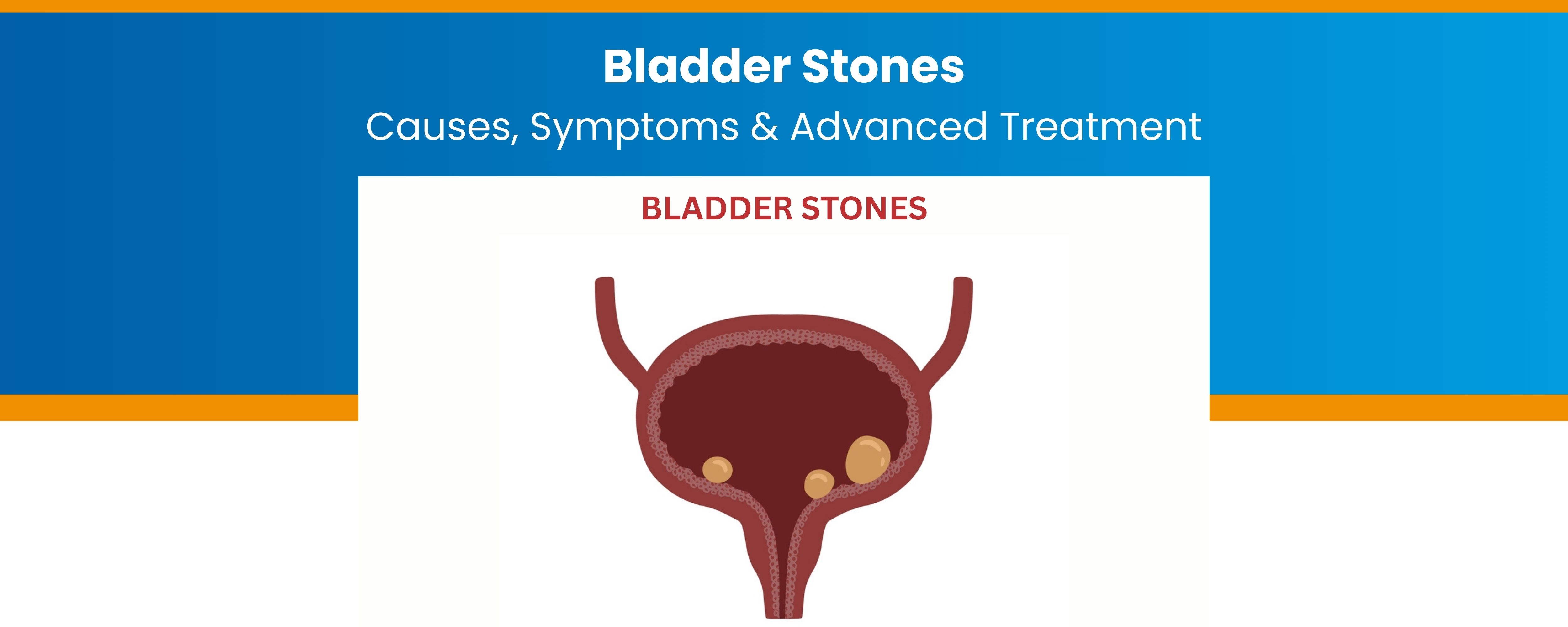
We are all familiar with kidney stones, but have you heard about bladder stones? They are quite common.
Did you know? Over 12% of urinary tract conditions in India are linked to bladder stones.
Bladder stones are small mineral deposits that can give you intense pain and urinary discomfort. They can also lead to frequent infections if they are untreated.
Bladder stones are quite common in men above the age of 50. In urban cities such as Bangalore, the numbers are constantly rising due to climate and lifestyle changes.
But there is good news for you. At NU Hospitals, advanced bladder stone care is available. Now bladder stone treatment has become simpler, safer, and even more effective.
If you have been diagnosed with bladder cancer, go through the blog to learn more about your next steps.
What Are Bladder Stones? Causes and Risk Factors in Bangalore
Bladder stones are hard lumps of minerals. They usually form when your bladder doesn't empty and your leftover urine gets concentrated. The minerals in your urine crystallise and harden over time. Sometimes the stone in the kidney might drop into the bladder and grow further in size.
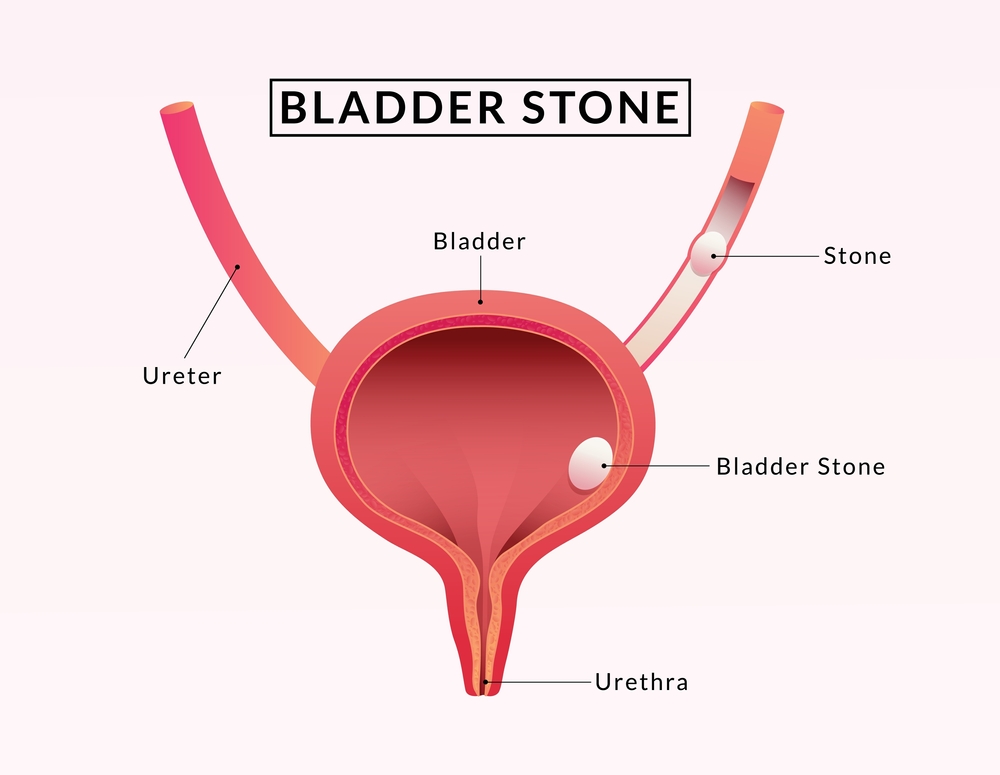
Bladder Stone Causes
The main cause of bladder stones is usually incomplete bladder emptying. However few other common causes are:
-
Enlarged Prostate (BPH)
An enlarged prostate is one of the biggest culprits. This is quite common for men above the age of 50. The enlarged prostate gland squeezes your urethra and blocks the outflow of urine. Urine starts getting retained after voiding which can result in stone formation
-
Neurogenic Bladder
Nerve damage from a stroke, spinal cord injury, or diabetes can mess with your bladder's signals. Your bladder can’t squeeze to empty fully or it may become very hyperactive causing urgency and leakage.
-
Bladder Diverticula
Bladder diverticula are small pouches that form in your bladder wall most commonly when urine flow is obstructed for a long time without treatment. Urine can pool in these pockets and form stones
-
Inflammation/Infection
Chronic UTIs or inflammation can be a breeding ground for mineral buildup.
-
Medical Devices
Catheters or stents (if forgotten) and kept inside the body for a long duration can allow the formation of crystals and bladder stones.
Bladder Stones Risks
There are certain factors that can increase your risk of getting bladder cancer.
-
Male Gender and Age
Bladder stones are usually more common in men over 50. This is due to an enlarged prostate. But it can be seen even in children, especially in low socioeconomic status populations.
-
Poor Hydration
This is a major culprit. Not drinking enough water can lead to concentrated urine, causing crystals to form.
-
Underlying Conditions
Certain conditions, such as diabetes or a history of spinal cord conditions, can significantly increase your bladder stone risk.
-
Diet
A diet that is high in fat, sugar, and salt can contribute to stone formation.
Symptoms and Warning Signs: When to Consult a Urologist
Small bladder stones can go unnoticed. However, when they start to grow, they can irritate your bladder. A few bladder stone symptoms are:
-
Lower Abdominal Pain
You might feel a dull ache or sharp pain in your lower belly. This can also extend to your penis or testicles for men.
-
Painful Urination (Dysuria)
A burning or stinging sensation when you pee.
-
Frequent Urination
You may feel a constant, urgent need to urinate. It may be worse at night.
-
Difficulty/Interrupted Flow
You may have trouble starting your urine stream. Or, your flow may suddenly stop.
-
Visible Changes in Urine:
You may notice blood in your urine.
If you are experiencing any of the above bladder stone symptoms, it is important that you visit the best urologist in Bangalore.
How NU Hospitals Accurately Diagnose Bladder Stones with Advanced Imaging
Getting an accurate diagnosis for your bladder stone is the first step. At NU Hospitals, we focus on accurate diagnosis. This helps us to give you the best treatment.
1. Urine Analysis
Urine analysis is a simple test that helps to check for any blood, infection, and crystals.
2. Imaging Tests:
These tests are important for seeing your bladder stones.
-
Ultrasound is a fast and non-invasive method for detecting stones in your bladder.
-
A CT Scan gives highly detailed images. It is quite effective in pinpointing the size and location of the stone.
-
Some types of stones show up clearly on an X-ray also.
3. Cystoscopy
This gives a direct look inside. A thin tube with a camera is passed through your urethra into the bladder. The urologist will get a crystal-clear view of the stones and the condition of your bladder.
Effective Treatment Options at NU Hospitals
Bladder stones have a high recurrence rate. Therefore, keeping your condition in mind, your doctor will suggest a treatment for you.
Medical Management for Small Bladder Stones
There is no medical management for bladder stones. Smaller stones less than 1 cm can pass out spontaneously without treatment. Larger stones more than 1 cm will need surgical removal. All these cases have to be evaluated further to check the cause for stone formation
Minimally Invasive Techniques: Laser Lithotripsy
This is the preferred method for stones that do not pass naturally.
-
A cystoscope (the camera tube) is inserted into your bladder. At NU Hospitals, we use lasers to break your bladder stones into tiny fragments.
-
These tiny fragments are then washed out or sucked out of your bladder.
-
No external cut is needed for this method. Recovery is much faster.
Surgical Solutions for Complex or Large Stones and Recovery Process
At certain times, the stones are quite large, which cannot be removed through the natural urethra. In such cases, a minor surgical treatment may be needed.
-
A tiny cut is made in your lower abdomen. Then a hollow tube is inserted directly into your bladder. This gives a direct pathway to break and remove any large or complex stones. This is called percutaneous suprapubic cystolithotomy
-
On rare occasions, open surgery is needed for large stones (Open cysolithotomy)
Preventing Recurrence: Expert Tips on Hydration, Diet, and Follow-Up
Removing the bladder stones does not mean the problem is solved. Bladder stones have a high recurrence rate. Hence, you must focus on the long-term cure.
Stay Hydrated:
Drink an adequate amount of water. This will make sure that your urine is not diluted and prevent stone formation.
Dietary Changes:
-
Reduce red meat and salt intake from your diet.
-
Include fruits and vegetables in your diet to maintain urine pH balance.
Address the Root Cause:
To maintain your recovery, you must look into the main cause of your bladder cancer.








