 Nephrology
 Urology
 Andrology
 Fertility (IVF)
 General Nephrology
 Paediatric Nephrology
 Dialysis
 Renal (Kidney) Biopsy
 CRRT
 Peritonial Dialysis
 Robotic Surgery
 Urinary Incontinence
 Uro-Oncology
 Laparoscopic Urology
 Reconstructive Urology
 Anaesthesiology
 Radiodiagnosis
 Nutrition and Dietetics
 Pediatric and Immunization
 Cardiology
 Intensive Care Unit




Our kidneys are the silent heroes of our body. They constantly filter waste, balance fluids, and keep your internal system running smoothly.
But what happens when your kidneys start to give up? That is when a serious condition known as End-Stage Renal Disease (ESRD) happens.
ESRD is not just another health condition. It is quite a serious health condition.
Over 13% of adults in India live with some form of chronic kidney disease. And every year the numbers are constantly rising. Due to poor lifestyle habits, the rising number of diabetes patients, and late diagnosis, kidney disease is one of the fastest-growing threats.
However, the good news is that with timely diagnosis, expert care, and the right treatment, your life with ESRD can still be active. At NU Hospitals, Bangalore, our specialised renal care team will help you get better control of your life.
Follow through this blog to learn more about End-Stage Renal Disease (ESRD) and treatment for ESRD.
What is End-Stage Renal Disease (ESRD)? Understanding Kidney Failure
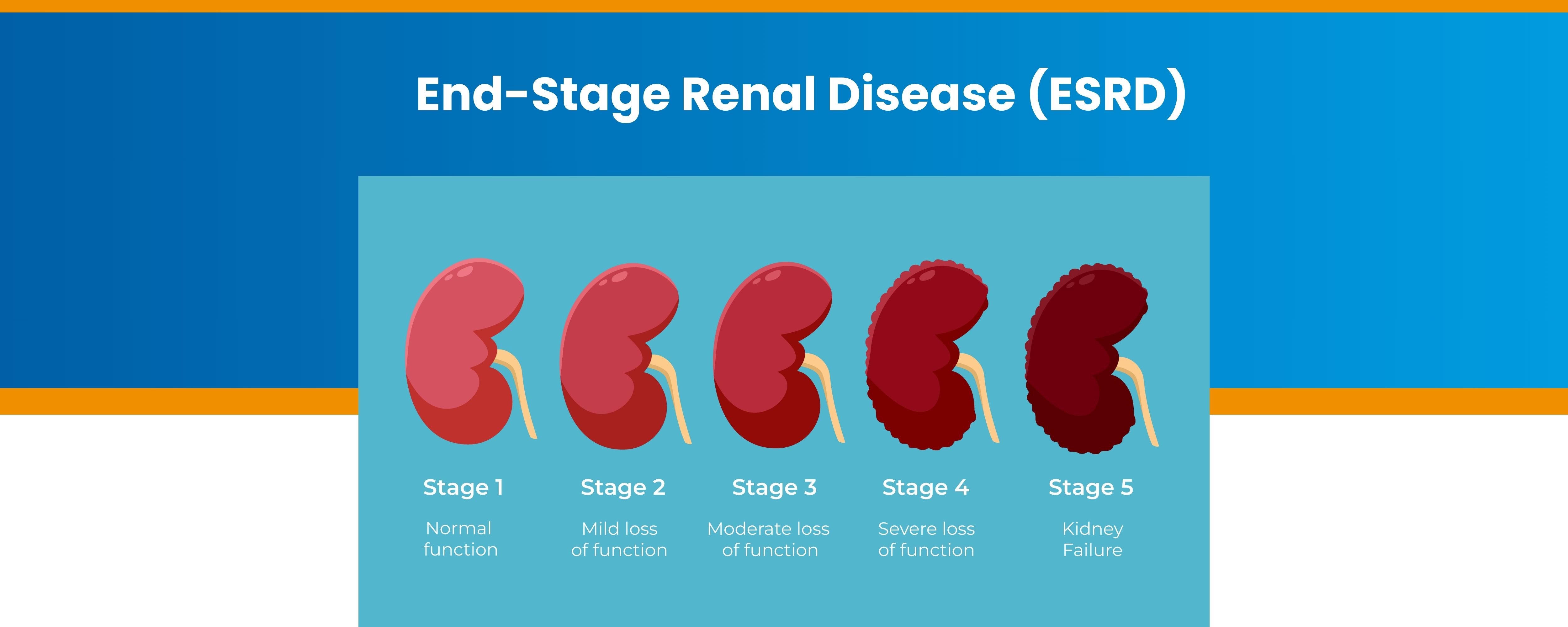
End-Stage Renal Disease (ESRD) is the last stage of chronic kidney disease. In ESRD, your kidneys have lost 85-90% of their function.
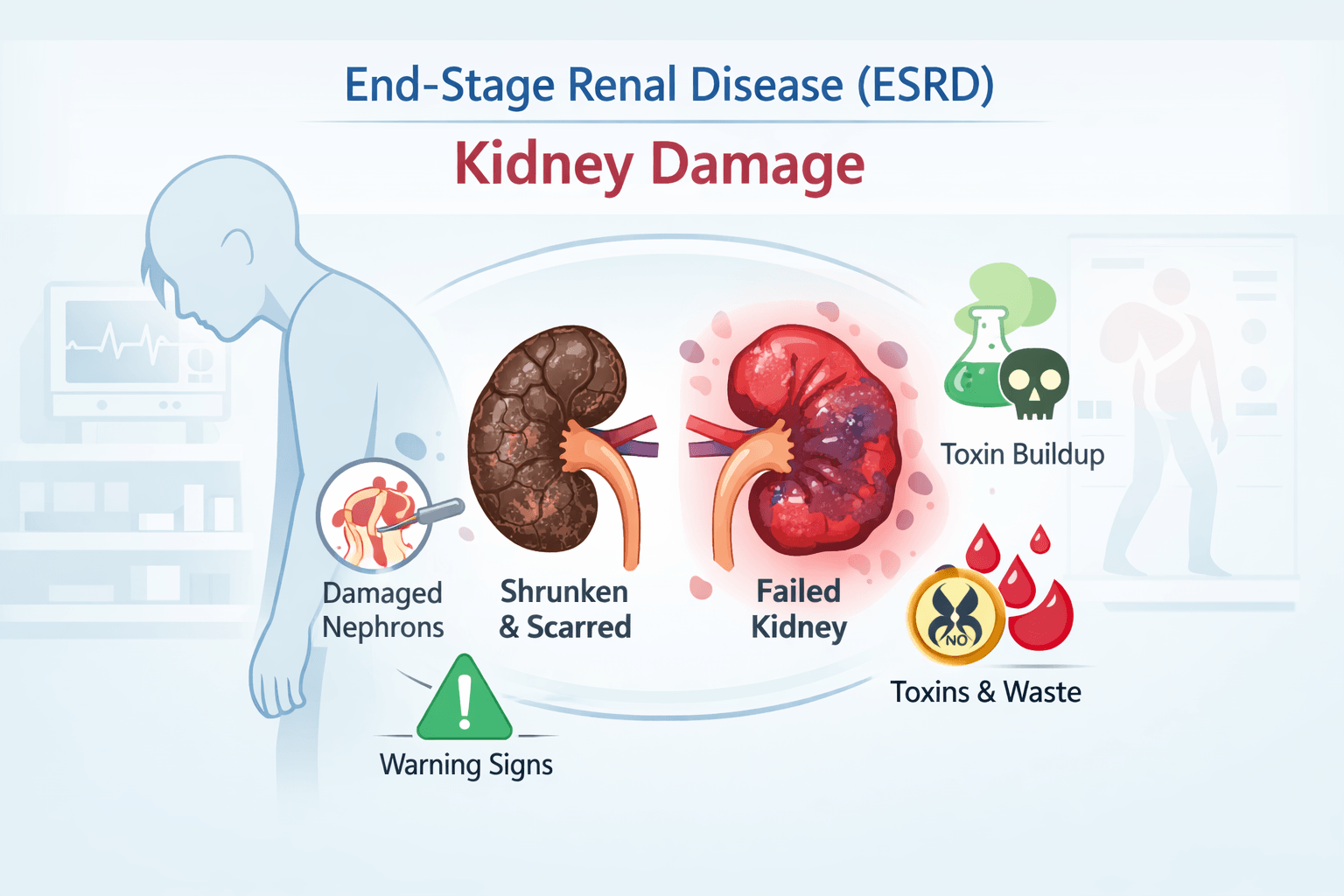
They can no longer filter waste or maintain the fluid balance effectively. It is the complete or near-complete irreversible failure of your kidney function. At this stage, your kidneys can no longer sustain life on their own.
Common Causes and Risk Factors of ESRD
Understanding the risk factors of ESRD can help you prevent the condition in the early stages.
Major Causes of ESRD
-
Diabetes
Diabetes is the most common cause of ESRD. High blood sugar damages your kidneys' filtering units over time.
-
High Blood Pressure (Hypertension)
Uncontrolled high blood pressure can narrow the blood vessels in your kidneys. This can then damage your filtering system.
-
Glomerulonephritis
It is a group of diseases that cause inflammation. This can then damage the tiny filters (glomeruli) in your kidneys.
-
Chronic tubulointerstitial diseases:
These groups of diseases affect the tubes/structures between the tubes in the kidney.
Risk Factors of ESRD
-
Family History
A family history of kidney disease can increase your risk.
-
Age
The risk increases as you get older.
-
Obesity
Obesity contributes to both diabetes and hypertension.
-
Lifestyle
Smoking, excessive alcohol, and a diet high in salt and processed foods.
-
Long-term use of NSAIDs
Long-term use of certain painkillers.
Recognizing Symptoms: When to Seek Urgent Kidney Care
Catching the early symptoms of ESRD is very important for effective ESRD management.. You can lose up to 90% of kidney function before you even experience any severe symptoms of ESRD.
Common symptoms of ESRD
-
Fatigue and Weakness
You may feel fatigue and weakness due to anemia and the buildup of toxins.
-
Swelling (Edema)
Swelling in your legs, ankles, or around your eyes. This is due to fluid retention in your body.
-
Nausea and Vomiting
You may experience nausea and vomiting due to toxins building up in your blood. This can affect your digestive system.
-
Shortness of Breath
Excess fluid can build up in the lungs, making it difficult for you to breathe.
-
Changes in Urination
Urinating more or less than usual, or foamy urine.
-
Itching
Itching can be caused due to mineral and bone metabolism imbalances.
If you have any of the risk factors of ESRD, don't wait for your symptoms to get worse. Be proactive and go for regular kidney screening.
Comprehensive Diagnosis and Monitoring at NU Hospitals, Bangalore
Accurate diagnosis is very important for effective treatment of ESRD. Our specialized renal team will use several diagnostic tools to evaluate your kidney function.
-
Blood tests will be done to measure your kidneys’ filtration efficiency.
-
Urine analysis helps to check for protein or blood.
-
Ultrasound and imaging evaluate your kidney structure and blockages.
-
Kidney biopsy helps to determine the underlying cause of kidney damage.
Effective Treatment Modalities for ESRD
Your ESRD treatment will depend on several factors, such as your overall health, age, and the cause of kidney failure.
At NU Hospitals, we focus on restoring your kidney function, replacing lost function, and improving your quality of life.
Hemodialysis and Peritoneal Dialysis Options
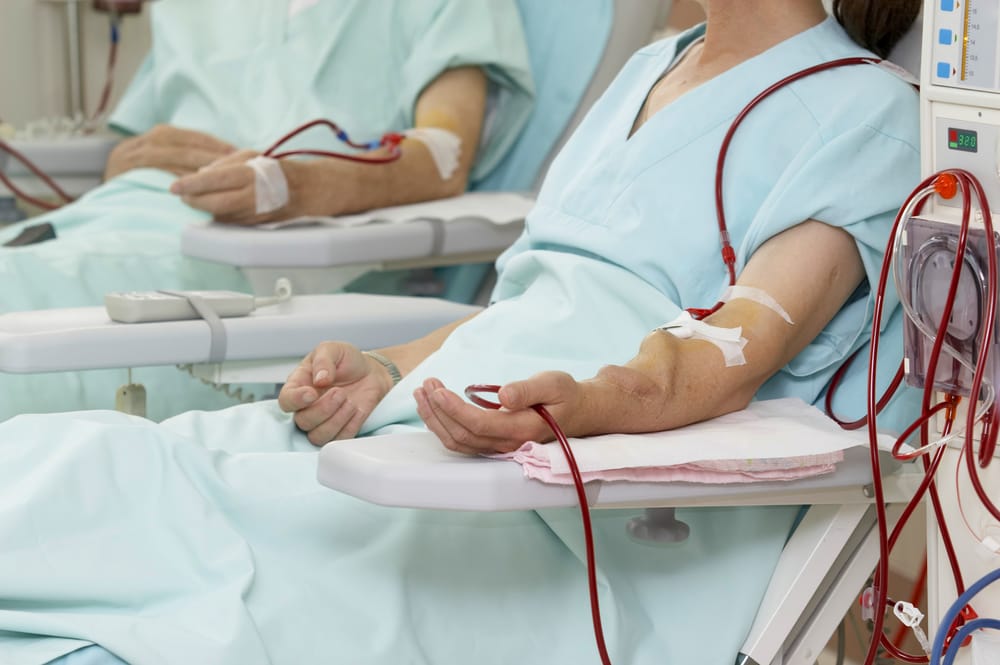
Dialysis is a life-saving treatment that takes over the job of filtering the blood.
Comparison between Hemodialysis and Peritoneal Dialysis
Feature |
Hemodialysis (HD) |
Peritoneal Dialysis (PD) |
Location |
Dialysis center |
Home, work, or while traveling |
Frequency |
Typically 3 times a week (3-5 hours per session) |
Everyday |
Method |
Filters blood outside your body using a machine |
Filters blood inside the body with the help of the abdominal lining |
Lifestyle |
Less flexible schedule |
More flexible, greater patient control |
Kidney Transplantation: Eligibility and Procedure
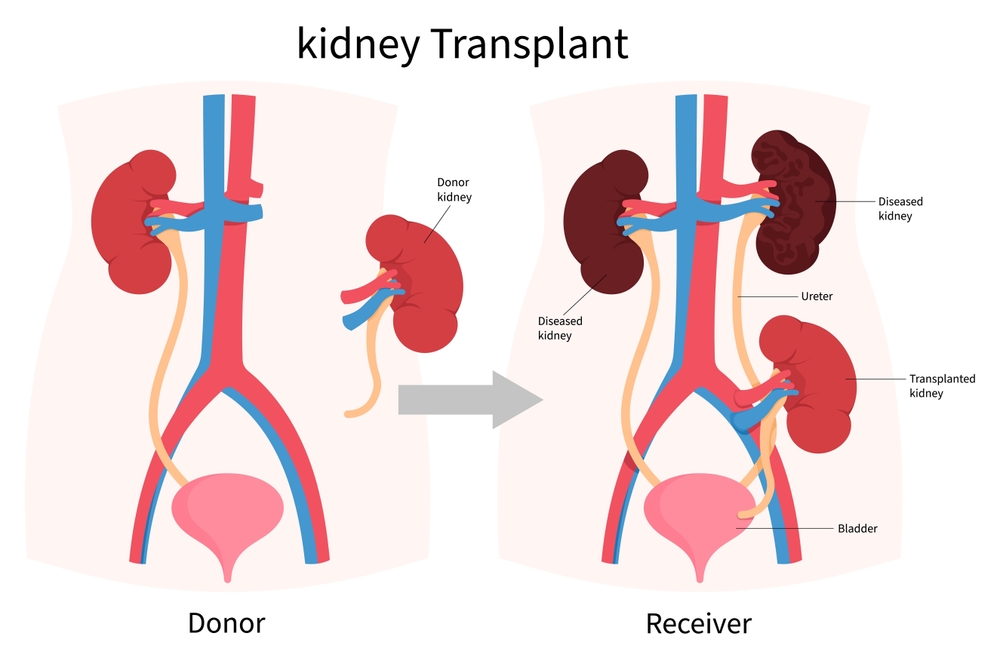
A kidney transplant is the best long-term treatment for ESRD. This is the closest thing to a cure for you.
At NU Hospitals, Bangalore, a Kidney transplant is a 12-step procedure.
Step 1: Initial Consultation
Our expert nephrologists will evaluate your medical history and kidney condition to determine transplant suitability.
Step 2: Pre-Transplant Counseling
Patients and families will receive guidance on emotional readiness, lifestyle adjustments, and post-transplant care.
Step 3: Donor Matching
Compatibility checks will include blood group matching, tissue typing, and crossmatch tests to make sure the transplant is successful.
Step 4: Legal and Ethical Clearance
All necessary consents and No Objection Certificates (NOC) are gathered to follow the legal and ethical standards.
Step 5: Comprehensive Medical Testing
Both donor and recipient will undergo lab tests and physical evaluations. This will help to confirm their fitness for the surgery.
Step 6: Specialist Clearances
Clearances from cardiologists, psychiatrists, dentists, gynecologists, and anesthetists are taken as part of a multidisciplinary approach.
Step 7: Documentation
Identity proofs, relationship verification, and consent forms are collected for record-keeping and transparency.
Step 8: Family Video Consultation
A recorded session that explains surgical risks, expectations, and the recovery process to both the patient and the family.
Step 9: Final Testing
This is the last round of medical assessments. It is done two days before surgery to confirm your readiness.
Step 10: Kidney Transplant Surgery
Your surgery will be performed by our skilled team of urologists and transplant surgeons with the help of advanced surgical techniques.
Step 11: Recovery
The recipient will have a 10-day hospital stay under close monitoring.
The donor will have a 3 to 5-day hospital stay.
Step 12: Long-Term Follow-Up
The recipients will have regular follow-ups with our nephrologists to ensure optimal kidney function.
The donors will also undergo regular checkups to maintain their health and well-being.
Supportive Care and Lifestyle Management
Dialysis and kidney transplantation are the main treatments for ESRD. However, supportive care will play a huge role in your overall ESRD management.
Lifestyle changes:
-
You should follow a renal-friendly diet that is low in sodium and potassium.
-
Stay hydrated, but within fluid limits.
-
Take prescribed medications every day.
-
Quit smoking and alcohol.
-
Manage your diabetes and blood pressure.
-
Do light exercises such as walking or yoga.
Preventing Complications: Long-Term Care and Regular Follow-Up
To prevent any kind of complications during your ESRD treatment, with the help of regular monitoring.
-
Strictly follow your nephrologist’s schedule.
-
Monitor your blood pressure and sugar.
-
Immunizations are important to prevent infections.








