 Nephrology
 Urology
 Andrology
 Fertility (IVF)
 General Nephrology
 Paediatric Nephrology
 Dialysis
 Renal (Kidney) Biopsy
 CRRT
 Peritonial Dialysis
 Robotic Surgery
 Urinary Incontinence
 Uro-Oncology
 Laparoscopic Urology
 Reconstructive Urology
 Anaesthesiology
 Radiodiagnosis
 Nutrition and Dietetics
 Pediatric and Immunization
 Cardiology
 Intensive Care Unit




Even though testicular cancer is quite common among indian men, it is still a taboo.
Testicular cancer is quite common in men between the ages of 15 to 35. However, with early testicular cancer diagnosis, the recovery rates are quite good.
At NU Hospitals, Bangalore, we offer world-class testicular cancer care to you. Follow this guide to learn more about testicular cancer and testicular cancer treatment.
What Is Testicular Cancer?
-
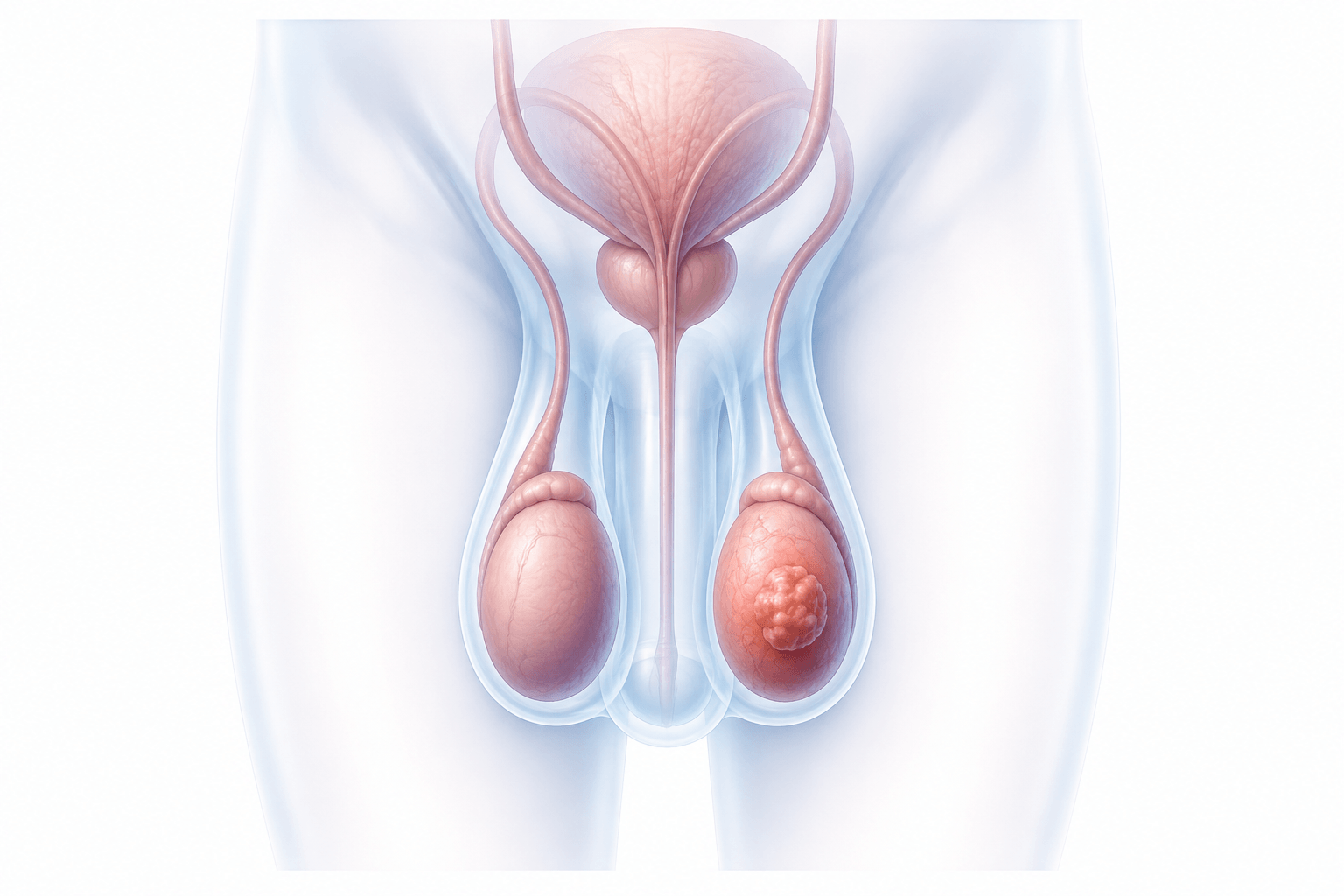
Testicular cancer involves the uncontrolled growth of abnormal cells in the testicles.
-
The testicles are the two glands that are located inside your scrotum. They produce male hormones and sperm.
-
Cancer forms when the cells in your testicle grow uncontrollably.
-
Testicular cancer is highly curable when caught early (often exceeding 95%).
-
It can affect one or both of your testicles.
What Causes Testicular Tumors?
The exact cause of testicular cancer is not fully known. However, there are several factors that are known to increase your chances. A few of the reasons are:
-
Cellular Mutation
Random genetic changes in sperm-producing germ cells can trigger tumor formation
-
Undescended Testicle (Cryptorchidism)
This is the strongest risk factor, as even surgically corrected cases elevate chances by 2-6 times compared to the general population.
-
Genetic Factors
A brother or father with testicular cancer raises the risk 4-10 times; genetic conditions like Klinefelter syndrome (extra X chromosome) also contribute.
Regular self-exams and awareness remain crucial, as early detection dramatically improves outcomes despite unclear causes.
Who Is at Risk for Testicular Cancer?
All men are at risk of developing testicular cancer. Most men with testicular cancer do not have an obvious cause or risk factor, so awareness is important. Hence, you must understand the testicular tumors risk:
-
Young men between the ages of 15–35.
-
Men with a history of an undescended testicle (cryptorchidism), even if it was corrected in childhood.
-
Anyone with a close relative (father or brother) with testicular tumors.
-
Men who have had testicular cancer in the past, or who have significant testicular abnormalities, infertility, or carcinoma in situ.
-
Some lifestyle or environmental risk factors.
Most cases occur without any clear reason, so regular self-examination and prompt medical review of any testicular lump, swelling, or change are essential for early diagnosis.
What Symptoms Should Men Watch For?
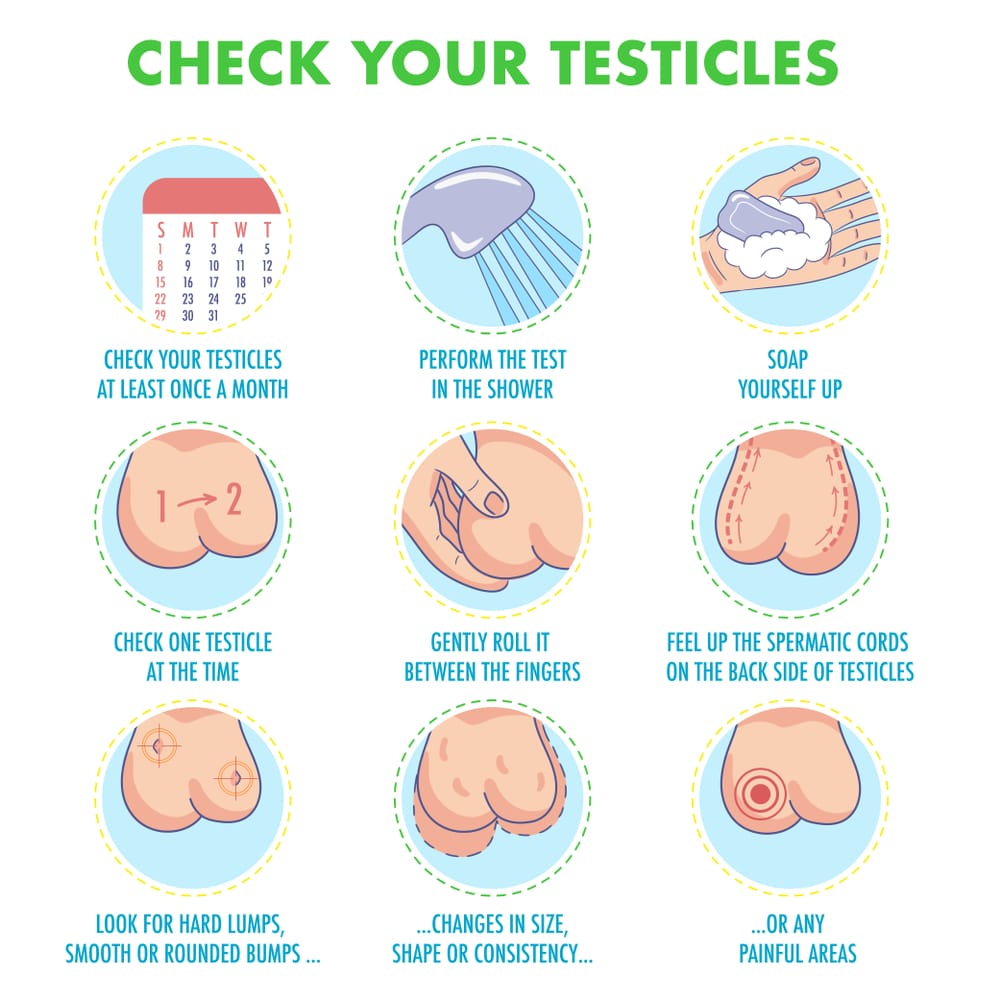
Self-examination is quite important. Most men tend to notice the first signs themselves.
-
A lump or swelling in your testicle.
-
A feeling of heaviness in your scrotum.
-
A dull ache in your lower abdomen or groin.
-
Pain or discomfort in your testicle or the scrotum.
If you notice any of these testicular tumors risk symptoms, consult with our doctor immediately.
Testicular Cancer Diagnosis in Bangalore
Getting a proper testicular cancer diagnosis is the first step towards getting proper treatment.
How Is Testicular Cancer Diagnosed at NU Hospitals?
A testicular cancer diagnosis at NU Hospitals will involve a few important steps.
-
Physical Examination
Our doctor will check for lumps, swelling, and tenderness in the testicles, abdomen, and lymph nodes.
-
Scrotal Ultrasound
This is the main diagnostic tool. It uses sound waves to create an image of your testicles. It can help to determine if a lump is cancerous or harmless.
-
Blood Tests (Tumor Markers)
Blood tests will be done to look for testicular cancer markers such as AFP, hCG, and LDH.
What Are the Stages and Types of Testicular Cancer?
Knowing your testicular cancer stage will help your doctor decide the best testicular cancer treatment for you.
Types of Testicular Cancer
Type |
Description |
Seminomas |
Grows and spreads slowlyHighly sensitive to radiation therapy. |
Non-Seminomas |
Grows and spreads quickly.It includes embryonal carcinoma, yolk sac tumour, choriocarcinoma, and teratoma. |
Mixed |
This is the most common type.It is a combination of both seminoma and non-seminoma cells. |
Stages of Testicular Cancer
Testicular cancer staging describes how far your cancer has spread.
Stage |
Description |
Stage I |
Cancer is only in your testicle. |
Stage II |
Cancer has spread to nearby lymph nodes. |
Stage III |
Cancer has spread to your distant organs. |
Advanced Treatment Options in Bangalore
NU Hospitals provides comprehensive testicular cancer treatment in Bangalore. We offer you a multidisciplinary approach.
What Treatments Are Available for Testicular Cancer?
The major treatments for testicular cancer are surgery, radiation therapy, and chemotherapy. However, the perfect testicular cancer treatment will depend on your cancer's type, stage, and your health.
-
Surgery (Orchiectomy)
This is usually the first step.
-
Radiation Therapy
Radiation uses high-energy X-rays to kill your cancer cells.
-
Chemotherapy
Chemotherapy uses drugs to kill cancer cells.
-
Surveillance
For the early stage of testicular cancer, monitoring is suggested.
Is Surgery Required and What Are the Types?
Yes, surgery is usually required to treat testicular cancer.
Radical Inguinal Orchiectomy helps to remove your testicle and the spermatic cord. It is required for both diagnosis and treatment.
How Effective Are Radiation and Chemotherapy?
Radiation is a highly effective treatment for early seminomas.
Chemotherapy is quite effective for advanced cases.
Are Minimally Invasive or Robotic Surgeries Performed at NU Hospitals?
Yes, at NU Hospitals, we perform minimally invasive and robotic surgeries. Our surgeons are skilled in advanced techniques. Robotic surgery offers several benefits such as smaller incisions, shorter hospital stay, and faster recovery.
Recovery and Long-Term Care
What Is the Recovery Timeline After Treatment?
Most men go home in 1-2 days after their testicular cancer surgery.
Does Treatment Affect Fertility?
Removing one of your testicles does not impact fertility. However, chemotherapy and radiation may lower sperm count.
Semen cryopreservation (sperm banking) before treatment is highly recommended for men wishing to father children later, allowing use in IVF or ICSI if needed. Many regain fertility post-treatment, but pre-existing issues from the cancer itself affect up to 50% of patients beforehand.
Support at NU Hospitals
NU Hospitals offers semen freezing facilities and comprehensive andrology support to help preserve fertility during testicular cancer treatment. Consult our specialists early to discuss personalized options like sperm banking alongside orchiectomy or chemo planning.
What Support and Counseling Does NU Hospitals Offer?
At NU Hospitals, we provide:
-
Patient counselling.
-
Diet and nutrition support.
-
Physiotherapy and rehabilitation.
-
Semen freezing
-
Andrologist consult
Costs and Insurance for Testicular Cancer Treatment
Financial planning is an important part of your testicular cancer journey.
What Is the Cost of Testicular Cancer Treatment in Bangalore?
The cost of testicular cancer treatment is not fixed. It will depend on several factors, such as
-
Testicular cancer stage
-
Treatment type
-
Hospital stay
-
Diagnostics.
Is Insurance Accepted at NU Hospitals?
Yes, NU Hospitals accepts major health insurance policies for your testicular cancer treatment.
Outcomes, Prognosis & Follow-Up
What Is the Survival Rate for Testicular Cancer?
Testicular cancer, if treated early, has great survival rates(often exceeding 95%). Even the advanced stages can be treated successfully with the help of surgery and modern therapies.
How Often Are Follow-Ups Needed After Treatment?
You must follow up every 3-6 months in the first year of your recovery. The follow-up recommendations will be based on the stage and type of testicular cancer.
Can Testicular Cancer Recur?
Testicular cancer can recur, most often within 2 years (up to 20-30% for non-seminomas, lower for seminomas), usually in retroperitoneal nodes (lymph nodes in the abdomen), but it can be treated with chemotherapy or surgery. Regular adherence reduces risks through early detection.
Why Choose NU Hospitals for Testicular Cancer Care?
What Sets NU Hospitals Apart in Bangalore?
At NU Hospitals, we don't just treat the disease; we care for you. Your commitment to yourself is unmatched.
-
Expert Uro-Oncologists
Our surgeons have specialised in urological cancers.
-
Advanced Technology
We have access to robotic surgical systems for minimally invasive, precise interventions.
-
Dedicated Multidisciplinary Team
Seamless coordination between surgeons, oncologists, radiologists, and counselors.
-
Patient-Centric Approach
We prioritise preserving your fertility and minimising any long-term side effects.
Get Personalised Answers – Book a Consultation
Noticing testicular cancer signs? Don't worry
We at NU Hospitals are here to help you at every step. From early diagnosis to a personalized treatment plan, NU Hospitals specialists are here to help you.
Visit our website and schedule your consultation today.








